Are Mini Split AC Installations Worth It? San Diego Pros Explain Zoned Cooling
Key Takeaways
- Mini split systems can reduce energy bills by up to 60% through efficient zoned cooling and heating, largely avoiding the 25-40% energy loss typical of traditional ductwork.
- San Diego's coastal climate requires specialized HVAC solutions that can handle high humidity and salt air while providing year-round comfort.
- Proper system sizing and strategic placement during installation directly impacts long-term efficiency and performance.
- Multi-zone systems offer personalized temperature control for different areas, making them ideal for older homes, ADUs, and room additions.
Save Up to 60% on Energy Bills with Ductless Mini Split Installation
Ductless mini split systems represent one of the most significant advances in home comfort technology, offering homeowners the ability to cut energy costs while maintaining precise temperature control throughout their living spaces. These systems deliver conditioned air directly to each room without the energy losses associated with traditional ductwork, making them particularly effective in the region's unique coastal climate.
The energy savings potential is substantial. High-efficiency mini split models can reduce energy consumption by up to 60% compared to standard electric heating systems. This dramatic improvement comes from two key factors: the elimination of ductwork energy losses and the use of advanced inverter technology that adjusts compressor speed based on actual demand rather than cycling completely on and off.
For San Diego homeowners considering this upgrade, local companies offer mini split installation services designed to maximize energy efficiency and comfort in the region's challenging coastal environment.
Why San Diego Homes Need Specialized Mini Split Solutions
Coastal Climate Challenges Your HVAC System
San Diego's coastal climate creates unique challenges that standard HVAC systems often struggle to address effectively. The combination of high humidity levels and salt-laden air accelerates corrosion of traditional components, particularly in ductwork and outdoor units. Mini split systems offer superior resistance to these environmental factors through their robust construction and corrosion-resistant materials.
The region's moderate but variable temperatures also make mini splits particularly well-suited for local conditions. Unlike traditional systems that work best in extreme climates, mini splits excel in San Diego's temperate environment where precise temperature control matters more than raw heating or cooling power. Their ability to maintain consistent comfort levels without the temperature swings common with conventional systems makes them ideal for year-round use.
Perfect for Older Homes Without Existing Ductwork
Many of San Diego's charming older homes were built before central air conditioning became standard, leaving homeowners with limited options for whole-home comfort. Installing traditional ductwork in these properties often proves impractical due to structural limitations, prohibitive costs, or the desire to preserve historical character.
Mini split systems solve this problem by requiring only small holes for refrigerant lines and electrical connections. The installation process is minimally invasive, preserving the integrity of older construction while providing modern comfort. For homes with solid masonry walls, plaster construction, or unique architectural features, mini splits offer an ideal solution for efficient central climate control.
Ideal for ADUs, Additions, and Converted Spaces
San Diego's housing market has driven significant growth in accessory dwelling units (ADUs), garage conversions, and home additions. These spaces present unique HVAC challenges since extending existing ductwork is often impossible or prohibitively expensive. Mini splits provide the perfect solution for these applications.
Converting a garage into a living space, for example, typically requires independent climate control due to different insulation characteristics and usage patterns. A single-zone mini split can transform an uncomfortable garage into a comfortable year-round living space without affecting the main home's HVAC system. Similarly, second-story additions often struggle with temperature consistency when connected to ground-floor systems, making dedicated mini split zones the preferred solution.
Professional Installation Process That Matters
1. Complete Home Evaluation and Proper System Sizing
Successful mini split installation begins with a thorough evaluation of the home's specific characteristics and cooling/heating requirements. Professional technicians assess factors including square footage, insulation levels, window orientation, ceiling heights, and local climate conditions to determine the appropriate system capacity.
Oversizing a mini split system leads to short cycling, reduced efficiency, and poor humidity control. Undersizing results in inadequate comfort and overworked equipment. The evaluation process includes calculating heat gain and loss factors specific to each zone, ensuring the selected equipment matches actual demand rather than rough estimates.
2. Strategic Placement for Maximum Efficiency
Indoor unit placement significantly impacts both performance and aesthetics. Professional installers consider airflow patterns, furniture placement, and architectural features to position units where they can distribute conditioned air most effectively. Proper placement eliminates hot and cold spots while maintaining visual appeal.
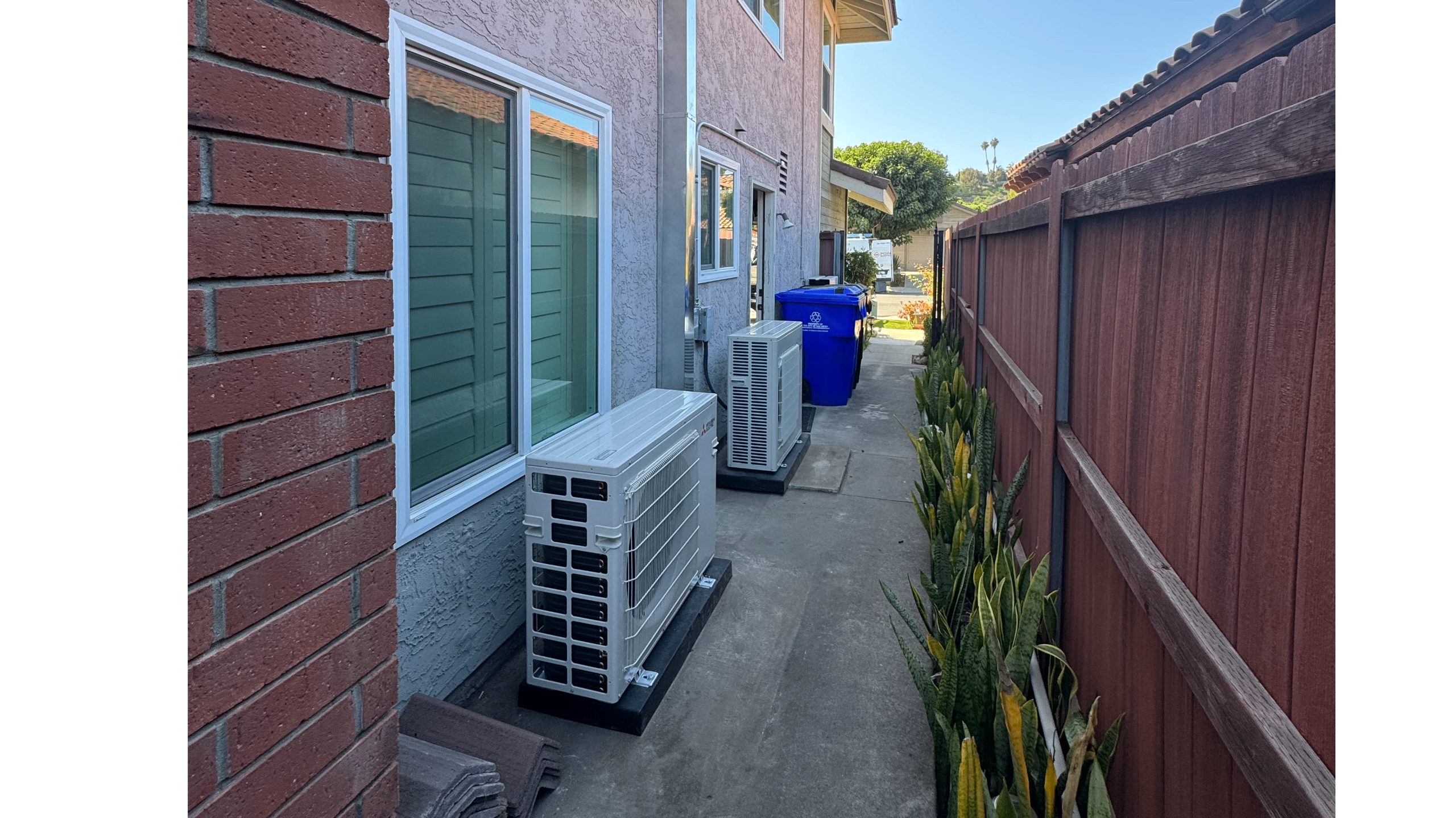
Outdoor unit positioning is equally critical, particularly in San Diego's coastal environment. Units must be protected from salt spray while maintaining adequate airflow and accessibility for maintenance. Professional installers also consider noise factors, ensuring outdoor units won't disturb neighbors or outdoor living spaces.
3. Single-Zone vs. Multi-Zone System Options
The choice between single-zone and multi-zone systems depends on the specific application and budget considerations. Single-zone systems work well for room additions, converted spaces, or homes where only certain areas need independent climate control. Each zone operates independently with its own thermostat and control options.
Multi-zone systems connect multiple indoor units to a single outdoor unit, providing centralized operation while maintaining individual zone control. This configuration works well for whole-home applications or when multiple areas need climate control but outdoor space is limited. Multi-zone systems also offer economic advantages when multiple zones are needed simultaneously.
Real Energy Savings: How Mini Splits Cut Costs
Avoid 25-40% Energy Loss from Traditional Ductwork
Traditional ducted systems lose substantial energy through leaky connections, poor insulation, and heat transfer in unconditioned spaces. Studies show that ductwork can account for 25-40% of energy consumption for space conditioning, particularly when ducts run through attics, crawl spaces, or other unconditioned areas.
Mini splits largely eliminate these losses by delivering conditioned air directly to living spaces. The refrigerant lines that connect indoor and outdoor units are heavily insulated and sealed, preventing the energy waste that plagues traditional systems. This direct delivery approach means a much larger portion of the energy used for heating and cooling reaches the intended space.
Inverter Technology Adjusts to Demand
Modern mini split systems use inverter-driven compressors that continuously adjust their speed based on actual cooling or heating demand. Traditional systems operate on a simple on/off cycle, running at full capacity until the desired temperature is reached, then shutting off completely until the next cycle begins.
Inverter technology eliminates the energy waste associated with this cycling approach. Instead of repeatedly starting up and shutting down, the compressor maintains a steady state that matches the actual load requirements. This results in more consistent temperatures, improved efficiency, and reduced wear on system components.
Why Local Companies Should Be Trusted For Installations
Local San Diego HVAC crews can often boast of deep expertise in the region's unique climate challenges and housing characteristics. Such technicians will understand how coastal conditions affect HVAC performance and specialize in installations that maximize efficiency and longevity in the local environment.
Moreover, their experience with San Diego's diverse housing stock - from historic craftsman homes to modern developments - ensures appropriate solutions for each property's specific requirements. Understanding proper system sizing, strategic placement, and quality installation practices will help homeowners achieve the energy savings and comfort improvements that make mini split investments worthwhile. For challenging applications and projects like ADUs, converted garages, and homes where traditional ductwork isn't feasible, experts roundly advise hiring trusted cooling unit installation companies to avoid catastrophic mishaps or costly mistakes.
Point Loma Home Pros
City: San Diego
Address: 4990 Viewridge Ave
Website: https://www.pointlomahomepros.com


Comments
Post a Comment