Anti-Bullying Programs For Schools: Creative Strategies For Educators
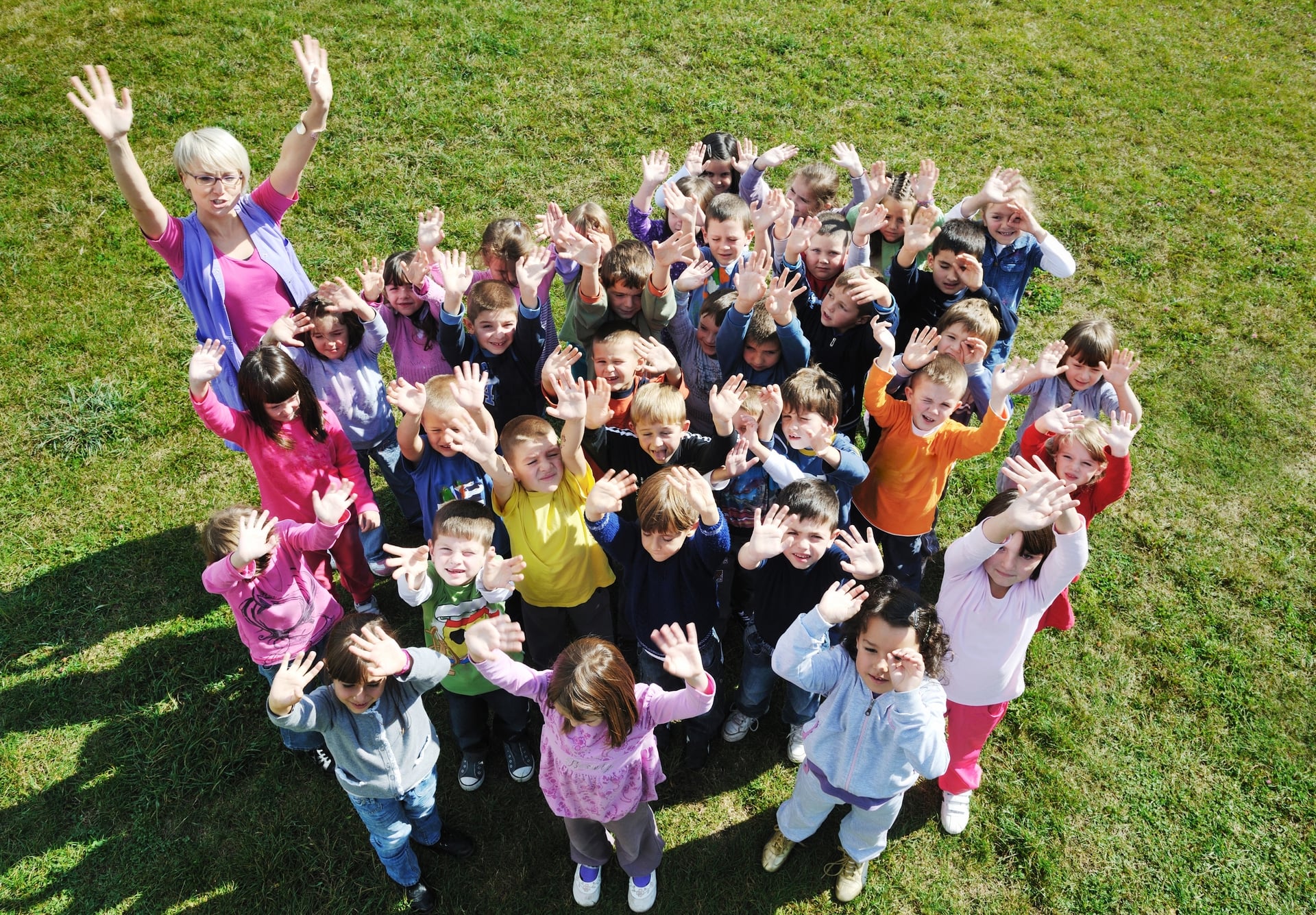
Bullying prevention programs work best when they extend beyond a single awareness week or classroom poster campaign. For elementary educators, the challenge is often finding age-appropriate ways to help younger students understand empathy, inclusion, and respectful behavior without turning discussions into lectures that quickly lose attention.
As schools prioritize social-emotional learning and positive school culture, many educators are adopting more creative anti-bullying approaches that encourage participation, reflection, and peer connection. Interactive activities, collaborative classroom projects, role-play exercises, and school assemblies can all help reinforce consistent messaging while making the subject more accessible for younger students.
The goal is not simply teaching children what bullying is. Effective anti-bullying efforts help students recognize how everyday actions affect classmates while building communication and conflict-resolution skills they can apply throughout the school year.
Why Elementary Anti-Bullying Programs Require A Different Approach
Younger students process social situations differently from older children and teenagers. Elementary-age students often respond more strongly to visual learning, storytelling, games, music, and participation-based activities than to formal presentations or policy discussions. Activities involving art, role play, cooperative tasks, and group reflection can make abstract social concepts feel more concrete and relatable.
This is one reason many schools incorporate interactive anti-bullying assemblies into broader prevention initiatives. Live performances and audience participation often hold younger students’ attention more effectively than traditional classroom instruction alone, particularly when programs use humor, music, or storytelling to introduce difficult topics in an age-appropriate format.
Classroom Activities That Encourage Empathy
Empathy-building exercises remain one of the most effective ways to help younger students understand the emotional impact of exclusion, teasing, and hurtful behavior. One widely used activity is the “Wrinkled Heart” exercise, where students crumple paper hearts while discussing hurtful comments before attempting to smooth them out again. The visual demonstration helps children understand that unkind words can leave lasting emotional effects even after apologies are made.
Role-playing activities can also be highly effective. Teachers may present realistic school scenarios involving exclusion at recess, teasing, or playground conflicts and ask students to practice supportive responses. These exercises allow children to explore the difference between passive bystander behavior and safe, respectful intervention.
Some educators also incorporate collaborative art projects into anti-bullying lessons. Kindness chains, classroom “unity trees,” and shared bulletin boards encourage students to contribute positive messages or examples of inclusive behavior. These projects create visible reminders of classroom expectations while reinforcing the idea that building a respectful environment is a shared responsibility. Importantly, these activities work best when they are repeated consistently rather than treated as one-time events.
Teaching Students How To Respond To Conflict
Many educators now emphasize practical conflict-management skills alongside broader anti-bullying messaging. While kindness campaigns remain valuable, students also benefit from learning how to respond safely and confidently when problems arise.
Recent educator discussions highlight growing support for teaching students specific communication techniques, emotional regulation skills, and age-appropriate reporting strategies instead of relying entirely on generalized “be nice” messaging. Teachers frequently note that younger students sometimes struggle to distinguish between ordinary peer conflict and repeated bullying behavior.
This has led many schools to introduce activities focused on problem-solving and respectful communication. Some classrooms use “big problem versus little problem” sorting exercises to help students understand when adult intervention is necessary and when conflicts may be resolved independently through communication and cooperation.
Safe reporting systems also play an important role. Anonymous concern boxes, classroom discussions, and regular check-ins can help students feel more comfortable speaking with trusted adults before situations escalate. Safe@School recommends encouraging students to contribute ideas about how to make classrooms feel more inclusive and respectful for everyone. These approaches help students feel involved in maintaining classroom culture rather than simply following rules imposed by adults.
Why Interactive School Assemblies Matter
While classroom activities provide ongoing reinforcement, school assemblies also play an important role in many anti-bullying initiatives because they create shared experiences across grade levels.
Interactive assemblies can introduce anti-bullying themes in ways that feel memorable and emotionally engaging for younger audiences. Humor, audience participation, storytelling, and live demonstrations often help elementary students retain key messages more effectively than lecture-based instruction alone. Programs such as “Bully Schmully” from Academic Entertainment use performance-based learning to encourage discussions about kindness, empathy, accountability, and respectful peer behavior in formats designed specifically for younger students. Because assemblies involve entire grade groups or schools simultaneously, they can also help establish shared language and expectations that teachers later reinforce within classrooms.
For many schools, assemblies work most effectively when integrated into broader school-wide initiatives rather than functioning as isolated events. Follow-up classroom activities, peer discussions, reading assignments, and art projects can all extend the impact of the presentation long after the assembly ends.
Building A School Culture That Discourages Bullying
Successful anti-bullying efforts usually reflect school culture more than any single activity or presentation. Students are far more likely to adopt respectful behaviors when kindness, inclusion, and accountability are reinforced consistently across classrooms, playgrounds, lunchrooms, and extracurricular activities. This often requires a combination of approaches rather than relying on one solution alone. Classroom discussions, peer-support programs, restorative conversations, assemblies, creative projects, and clear behavioral expectations all contribute to the overall environment students experience each day.
Educators also play an important role through modeling. Research and educator resources consistently emphasize that students observe how adults handle disagreement, inclusion, conflict, and respectful communication. When teachers actively reinforce positive interactions and respond consistently to harmful behavior, students receive clearer guidance about what classroom culture should look like.
For elementary schools, the most effective anti-bullying strategies are often the ones that make kindness visible, participation active, and respectful behavior part of everyday routines rather than occasional lessons.
Academic Entertainment
City: Pullman
Address: 1495 Lost Trail Drive
Website: https://www.academicentertainment.com/
Phone: +1 800 883 9883
Email: Info@AcademicEntertainment.com


Comments
Post a Comment