Why Clogged Drains Are Rising in Columbia SC This Spring
Key Takeaways:
- Spring in Columbia, SC brings a perfect storm of environmental factors that significantly increase drain clogs, including aggressive tree root growth, heavy rainfall, and increased household activity.
- Tree root intrusion is a major cause of spring drain blockages in Columbia, particularly affecting homes with older clay and cast-iron pipes built before the 1980s.
- Multiple fixtures backing up simultaneously indicates a main sewer line problem that requires immediate professional attention to prevent costly water damage.
- Professional hydro-jetting services cost $400-$700 in Columbia but prevent thousands in potential repair costs from untreated root invasions.
- Strategic prevention measures, including proper tree placement and annual maintenance, can protect Columbia homeowners from recurring spring drain issues.
Spring Conditions Increase Risk of Columbia Drain Blockages
Columbia's humid subtropical climate creates ideal conditions for drain problems during spring months. The combination of heavy rainfall, warming temperatures, and increased vegetation growth creates a perfect storm for plumbing issues that catch many homeowners off guard.
From March through May, local plumbing companies experience a noticeable spike in emergency service calls. This seasonal increase stems from environmental factors unique to the Midlands region, where expansive clay soils and mature tree canopies interact with aging infrastructure to create widespread drainage challenges.
Understanding these seasonal patterns helps homeowners recognize warning signs early and take preventive action before minor issues escalate into major problems. According to Plumb Time Plumbing & Drain Services, proactive spring maintenance can prevent up to 80% of emergency calls during peak season.
Tree Root Intrusion is a Major Contributor to Spring Clogs
1. Aggressive Root Growth in Humid Conditions
Spring's combination of moisture and warming soil triggers explosive root growth in Columbia's abundant tree population. Oak, maple, and willow trees common throughout the area send out feeder roots that can extend 50-100 feet from the trunk, actively seeking water sources.
These roots detect even the smallest moisture leaks from sewer pipes and exploit tiny cracks or loose joints to access water. Once inside the pipe, roots multiply rapidly in the nutrient-rich environment, creating thick mats that trap grease, toilet paper, and other debris.
2. Older Clay and Cast-Iron Pipes Vulnerable
Columbia's historic neighborhoods, such as Shandon, Heathwood, and downtown areas, likely contain many homes built before 1980 that are equipped with older clay tile or cast-iron sewer lines, which are known to be vulnerable. These materials naturally develop small cracks and joint separations over time, creating perfect entry points for aggressive spring root growth.
Clay pipes are particularly susceptible because tree roots can actually break through the pipe walls once established. Cast-iron pipes corrode from the inside out, developing pinhole leaks that attract roots like magnets during the spring growing season.
3. Root Masses Trap Grease and Debris
Root intrusions don't just block pipes directly—they create catch points for everyday household waste. Hair, grease, soap scum, and even toilet paper get tangled in root masses, forming rock-hard blockages that resist conventional drain cleaning methods.
These combined blockages typically require professional hydro-jetting to remove completely. Simple drain snaking often cuts through roots temporarily but doesn't address the underlying root structure, leading to recurring clogs within weeks or months.
Heavy Rains and Clay Soils Compound Problems
1. Heavy Rains Contribute to Debris and Sediment Accumulation in Yards, Which Can Enter Drains
Columbia receives an average of approximately 3-4.5 inches of rainfall during spring months (March-May), with March typically seeing higher averages around 4.5 inches, and intense storms capable of dropping several inches in a single day. This heavy rainfall washes mulch, pollen, leaves, and sediment into yard drains and can overwhelm aging drainage systems.
Storm runoff carries organic debris that decomposes in drain pipes, creating additional blockage points. Pollen from Columbia's abundant trees creates a sticky film that helps trap other debris, while fine sediment settles in low spots and pipe bellies.
2. Pipe Shifts from Expanding Clay
The Midlands region sits on expansive clay soils that undergo significant volume changes with moisture content. During spring rains, clay soils expand and shift, putting pressure on buried sewer lines and potentially creating misaligned joints or pipe bellies where waste accumulates.
These soil movements can crack rigid pipes or separate joints in older systems. Even minor shifts create collection points for debris and provide new entry points for aggressive spring root growth, compounding existing drainage problems.
Warning Signs Your Main Sewer Line Is Affected
1. Multiple Fixtures Backing Up Simultaneously
The clearest indicator of main sewer line problems is when multiple drains throughout the house slow down or back up at the same time. Unlike isolated fixture clogs, main line blockages affect the entire drainage system, causing toilets to gurgle when sinks drain or showers to back up when toilets flush.
This type of widespread backup indicates blockage in the main sewer line between the house and the street connection. Immediate professional attention is needed because continued use can cause sewage to back up into the home, creating health hazards and expensive cleanup costs.
2. Gurgling Sounds and Foul Odors
Strange gurgling sounds from drains, toilets, or washing machine connections indicate air trapped by blockages in the main sewer line. These sounds often accompany foul sewage odors emanating from drains throughout the house, particularly noticeable in basement floor drains or lower-level fixtures.
Persistent sewage odors can also indicate broken or cracked sewer pipes that allow gases to escape into the soil around the foundation. These odors typically worsen during humid spring weather when bacterial activity increases in damaged pipes.
3. Yard Indicators of Root Invasion
Unexplained patches of lush, green grass over the sewer line path often indicate leaking pipes feeding nutrients to the soil. These areas may remain green during dry periods when surrounding grass browns, revealing the underground leak location.
Soggy spots, sinkholes, or unexplained depressions in the yard can signal collapsed or severely damaged sewer pipes. Spring's heavy rains often reveal these problems as water accumulates in areas where underground pipes have shifted or broken.
Professional Solutions Cost Less Than Major Repairs
Hydro-Jetting Clears Root Masses Effectively
Professional hydro-jetting uses high-pressure water (typically 3,500-4,000 PSI) to completely remove root masses, grease buildup, and accumulated debris from sewer lines. Unlike simple drain snaking, hydro-jetting restores the full diameter of pipes and can cut through even the most stubborn spring blockages.
This method removes not just the immediate blockage but also scrapes away scale and buildup from pipe walls, preventing quick re-accumulation of debris. For Columbia homeowners dealing with recurring spring clogs, hydro-jetting often provides 1-2 years of clear drainage compared to weeks or months from conventional snaking.
Camera Inspection Pinpoints Exact Problems
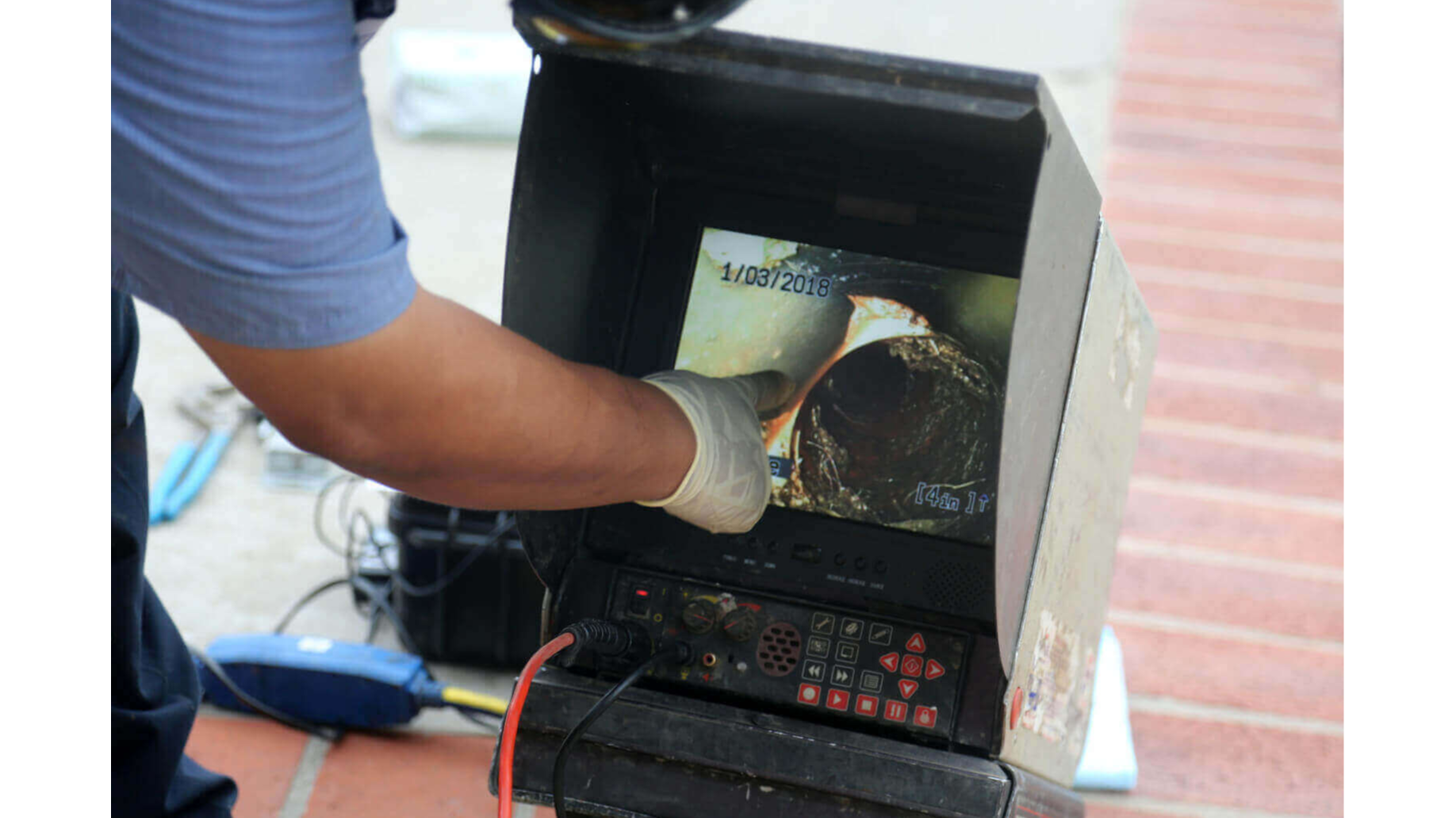
Video camera inspection allows plumbers to visually confirm the exact cause, location, and severity of drain blockages without excavation. This diagnostic tool is needed for identifying root intrusions, pipe damage, or structural issues that require specific treatment approaches.
Camera inspections provide homeowners with visual evidence of problems and help prioritize repair needs. The recorded footage also serves as documentation for insurance claims if sewer backups cause property damage, and helps track the effectiveness of treatments over time.
Columbia Area Pricing Ranges
Professional drain cleaning services in Columbia typically range from $100-$350 for basic snaking, while hydro-jetting main sewer lines costs $400-$700 depending on line length and blockage severity. Camera inspections add $150-$400 and are sometimes credited toward repair costs by some providers.
These professional services cost significantly less than emergency repairs for sewage backups, which can easily exceed $5,000-$10,000 when considering water damage, cleanup, and pipe replacement. Spring maintenance prevents these catastrophic failures while addressing problems at their source.
Prevention Strategies for Columbia Homeowners
1. Strategic Tree Planting and Root Barriers
Homeowners planning new landscaping should plant large trees at least 20 feet from sewer lines, choosing slower-growing species with less aggressive root systems. Dogwoods, Japanese maples, and crape myrtles work well in Columbia's climate without threatening underground pipes.
For existing trees near sewer lines, root barriers installed 24-36 inches deep can redirect growth away from pipes. These plastic or metal barriers guide roots downward instead of horizontally toward moisture sources, protecting pipes while preserving valuable trees.
2. Annual Maintenance for High-Risk Homes
Homes built before 1980 or those with mature trees nearby benefit from annual professional maintenance combining camera inspection and preventive hydro-jetting. This proactive approach identifies developing problems before they cause complete blockages or require emergency intervention.
Annual maintenance visits also allow plumbers to apply root inhibitors or recommend minor repairs that prevent major failures. The cost of preventive care is typically 20-30% of emergency service charges and prevents the inconvenience and health risks of sewage backups.
3. Proper Grease and Waste Disposal
Columbia Water actively educates residents about proper disposal of fats, oils, and grease (FOG), which combine with root intrusions to create severe blockages. Cooling grease in containers and disposing in trash prevents accumulation that worsens spring root problems.
Avoiding flushing of "flushable" wipes, feminine products, paper towels, and other non-biodegradable items reduces debris that gets caught in root masses. Even items marked as flushable can accumulate in root-affected pipes and contribute to spring blockages.
Act Fast to Prevent Costly Spring Sewer Backups
Spring drain problems in Columbia rarely resolve themselves and typically worsen rapidly once symptoms appear. The combination of aggressive root growth, heavy rainfall, and aging infrastructure creates conditions where minor clogs quickly escalate into major backups requiring emergency intervention.
Early intervention through professional diagnosis and treatment prevents thousands of dollars in water damage while maintaining safe, sanitary conditions in the home. Homeowners who notice warning signs like multiple fixture backups, gurgling sounds, or yard indicators should schedule immediate professional inspection rather than attempting DIY fixes that may worsen the underlying problem.
Professional plumbers can quickly distinguish between simple fixture clogs and serious main line issues, providing appropriate treatment that addresses root causes rather than just temporary symptoms. The investment in proper diagnosis and treatment protects both property value and family health during Columbia's challenging spring season.
For professional drain cleaning and preventive maintenance services in Columbia, contact Plumb Time Plumbing & Drain Services at https://www.plumbtimesc.com/ to keep your home's plumbing system flowing smoothly through spring and beyond.
Plumb Time Plumbing & Drain Services
City: Columbia
Address: 3513 Delree St
Website: https://www.plumbtimesc.com/


Comments
Post a Comment