What Type of Blanket Is Best for Each Season? Fabrics and Weights Guide
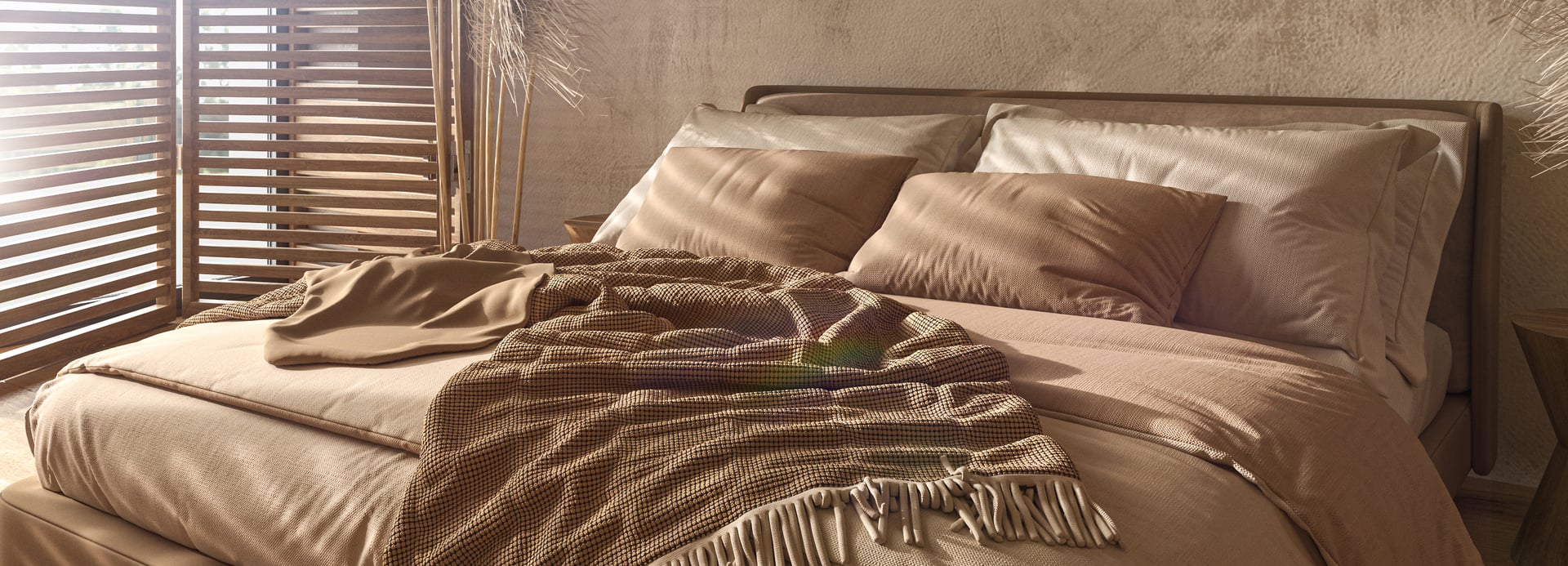
Most people never think twice about their blanket until they wake up sweating in July or shivering under something too thin in January, and by then, a bad night's sleep has already happened.
Fixing that starts with understanding a few key things: fabric, weight, and how both change with the seasons. The right blanket, chosen with those factors in mind, can genuinely transform how well you sleep all year, and knowing where to find quality options built to last is just as important as knowing what to look for. Here is exactly what that looks like in practice.
The Real Reason Your Blanket Affects Your Sleep
A blanket does more than add warmth; it actively shapes how your body handles temperature while you sleep. When your blanket traps too much heat, your body works harder to cool down, which pulls you out of the deeper, more restorative sleep stages. The reverse is just as disruptive: too little coverage on a cold night keeps your body in a light, restless state.
Matching your blanket to the season is not about preference; it is about giving your body the stable environment it needs to rest fully. Once you understand how different fabrics and weights behave, the right choice becomes much easier to make.
What Each Blanket Type Actually Does
Before choosing a blanket for a specific season, it helps to know what each common type brings to the table.
Cotton blankets are breathable, skin-friendly, and easy to maintain, making them a dependable everyday option, especially for warmer months or people who tend to sleep hot.
Wool blankets trap warmth efficiently while still letting moisture escape, so they keep you warm without making you sweaty, and they tend to last for many years with proper care.
Fleece blankets are lightweight synthetic options that offer solid warmth without bulk, dry quickly after washing, and handle frequent use without losing their shape or softness.
Mink blankets sit at the heavier, plusher end of the spectrum, designed for peak cold months or consistently cold climates where maximum warmth is the main priority.
The Best Blanket for Each Season, Broken Down
Summer: Keep It Light and Breathable
Heavy blankets and humid nights are a bad combination, and the discomfort that follows makes restful sleep nearly impossible. During summer, breathable materials that pull moisture away from the body perform far better than anything thick or heat-retaining.
- Thin cotton blankets for everyday sleeping
- Bamboo fabric for humid or tropical climates
- Lightweight options suited for air-conditioned rooms
Rainy and Transitional Months: Balance Is Everything
Fluctuating temperatures make the rainy season harder to dress for, and your blanket is no different. You want something light enough for warmer nights but substantial enough to handle the unexpected chill that comes with a heavy downpour.
- Light cotton blends that dry quickly after exposure to damp air
- Microfiber options that resist moisture and stay fresh longer
- Medium-weight blankets flexible enough for temperature swings
Autumn and Spring: Plan for Both Ends of the Day
Mornings and evenings can feel like entirely different seasons during spring and autumn, which makes medium-weight blankets the most practical choice. They offer enough insulation for cooler nights without becoming uncomfortable when temperatures climb back up during the day.
- Medium-weight cotton is a reliable, versatile layer
- Cotton-polyester blends for added durability through frequent washing
- Reversible blankets with varying thickness on each side
Winter: Warmth Has to Be the Priority
When temperatures drop consistently, a blanket needs to do more than add a layer; it needs to actively hold heat close to your body throughout the night. Wool, fleece, and mink all excel here because their fibers trap warmth rather than simply blocking cold air from the outside.
- Wool for natural, breathable insulation that regulates moisture
- Fleece for effective warmth without the added weight
- Mink for maximum heat retention and lasting softness
Choosing the Right Material for How You Actually Live
Seasonal needs narrow down the options, but your daily habits determine which material genuinely works for your household. Families with young children or pets need blankets that wash well and hold up to frequent use, which makes fleece and microfiber strong, practical choices. For anyone with sensitive skin or allergies, cotton and bamboo fabrics tend to cause less irritation over time.
Beyond household needs, your sleep habits matter just as much. People who sleep warm often do better with breathable fabrics even during cooler months, while those who get cold easily need materials that actively trap and hold heat rather than simply adding another layer to the bed.
Why Blanket Quality Matters More Than Most People Realize
Knowing which material to choose gets you halfway there, but how well a blanket is made determines how long it actually performs. Blankets made with lower-quality construction tend to lose their softness and insulating ability after repeated washing, which means more frequent replacements and higher long-term costs. Better construction holds warmth, texture, and shape through years of regular use.
Investing in quality upfront almost always costs less over time than replacing a worn-out blanket every season, and the difference between a well-made blanket and a cheap one becomes obvious after the first few washes.
Simple Habits That Keep Your Blanket in Good Shape
Even a well-made blanket wears out faster without basic care, and a few consistent habits make a significant difference over time.
- Always check the care label first, since heat tolerance and detergent requirements vary widely by fabric type
- Air-dry plush or delicate blankets when possible, because high dryer heat breaks down fibers and causes shrinkage
- Store seasonal blankets in breathable cotton bags rather than plastic, which traps moisture and leads to odor
- Wash the blankets you use daily every two to three weeks — enough to manage dust and allergen buildup without wearing the fabric down prematurely.
Catching small issues early, like a loose thread or a thinning patch, prevents minor wear from turning into permanent damage and keeps your blanket performing well across many more seasons.
The Bottom Line
The right blanket comes down to three things: the season, your climate, and how you sleep. Getting those factors right means better rest, fewer replacements, and a genuinely comfortable home throughout the year. When you're ready to put that into practice, looking through blankets with a strong reputation for lasting warmth and softness is a good place to start.
Minky Couture
City: Ogden
Address: 475 Depot Drive
Website: https://www.softminkyblankets.com/


Comments
Post a Comment