Water Heater Repair and Replacement in Alabama: Costs and Warning Signs
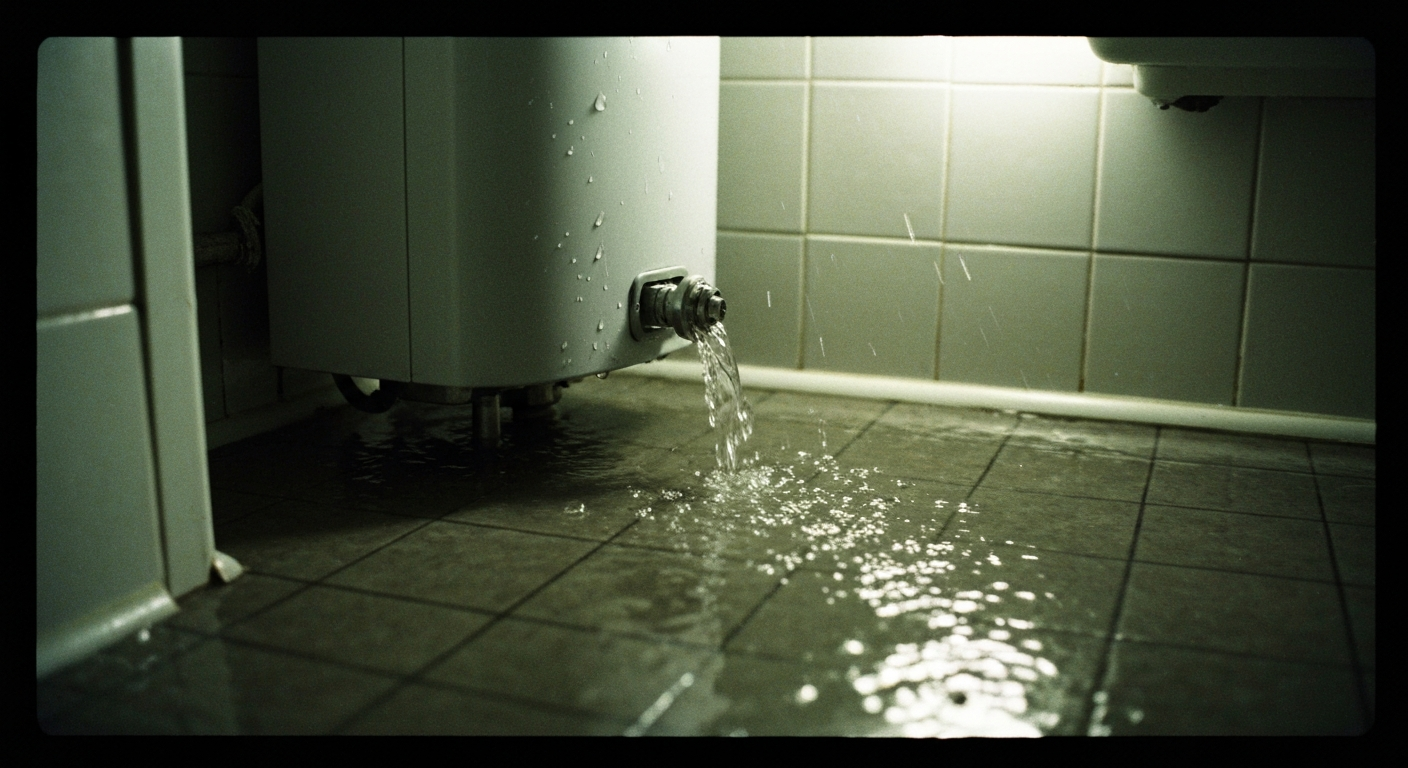
Recognizing early warning signs can prevent minor water heater issues from escalating into major problems or home damage. Several critical indicators demand immediate professional evaluation, regardless of the unit's age or recent maintenance history.
Visible leaks around the tank base or pipe connections represent the most serious red flag. Tank leaks are generally irreparable and can lead to significant water damage if not addressed promptly. Even small puddles warrant immediate inspection, as internal tank corrosion typically worsens rapidly once it begins.
Strange noises from the water heater—particularly popping, rumbling, or whining sounds—often indicate sediment buildup forcing the system to work harder. This sediment acts like an insulating barrier, reducing heating efficiency and potentially causing internal components to overheat and fail. Rusty or discolored hot water signals internal corrosion, while complete loss of hot water or severely fluctuating temperatures point to thermostat malfunctions, heating element failure, or burner problems requiring professional diagnosis.
Repair vs Replace: The 50% Rule That Saves Money
A widely accepted industry guideline suggests replacing a water heater when repair costs approach or exceed 50% of a new unit's price. This rule helps homeowners make financially sound decisions by comparing immediate repair expenses against long-term replacement benefits.
When Repairs Make Financial Sense
Minor water heater problems, such as malfunctioning thermostats, broken heating elements in electric models, or pilot light issues in gas units, are often cost-effective to repair. These fixes typically cost between $100-$500 and can extend the system's life when the unit is less than 8-10 years old and has been properly maintained.
Repairs make the most sense for newer systems experiencing their first significant problem. Professional water heater repair can quickly restore hot water when components fail, but the tank structure remains sound. Regular maintenance also helps identify small issues before they require expensive emergency repairs.
Age and Repair Cost Guidelines
When water heaters exceed 10 years of age, their declining efficiency and the approaching end of major components' lifespans often make replacement more financially sound than repeated repairs. Older units require more frequent service calls and typically consume more energy due to reduced insulation and heating element efficiency.
For water heaters in the 8-12 year range, repair decisions should weigh the specific problem against the remaining expected lifespan. A $400 repair on a 6-year-old system makes more sense than the same repair on an 11-year-old unit approaching natural replacement time.
Alabama's Hard Water Challenge for Water Heaters
Alabama's mineral-rich water creates unique challenges that significantly impact water heater performance and longevity. The area's hard water contains high concentrations of calcium, magnesium, and other dissolved minerals that accelerate equipment wear and reduce operational efficiency.
How Mineral Buildup Shortens Equipment Life
Hard water minerals precipitate out of solution when heated, forming sediment deposits at the tank bottom. This sediment buildup acts as an insulating barrier between heating elements and water, forcing the system to work harder and consume more energy to achieve the same temperature results.
Over time, this extra stress causes heating elements to burn out more frequently, thermostats to cycle excessively, and tank walls to experience thermal stress that can lead to premature failure. The sediment also provides an environment where bacteria can thrive, potentially creating odors and water quality issues.
Maintenance to Combat Sediment
Regular tank flushing helps remove accumulated sediment before it hardens and becomes difficult to eliminate. Annual professional maintenance should include draining several gallons from the tank bottom, checking the condition of sacrificial anode rods, and testing temperature and pressure relief valves.
Anode rod replacement typically extends tank life significantly in hard water areas. These sacrificial metals corrode preferentially, protecting the tank walls from direct mineral attack. When anode rods deteriorate completely, tank corrosion accelerates rapidly, potentially leading to leaks.
Water Heater Costs: Repair vs Replacement
Understanding typical cost ranges helps homeowners budget appropriately and make informed decisions about their water heating systems. Local factors like hard water conditions, installation complexity, and energy costs influence both repair expenses and replacement investments.
Typical Repair Costs: $100-$500 Range
Basic water heater repairs typically cost between $100-$500, covering straightforward issues like thermostat adjustments, heating element replacement, or minor valve repairs. Emergency or after-hours service calls usually carry additional premiums due to overtime rates and urgency requirements.
More complex repairs requiring major component replacement or extensive labor can push costs higher. Gas control valve replacement, venting system repairs, or addressing multiple simultaneous problems often exceed the basic range, making replacement consideration more financially attractive.
Replacement Investment: $1,000-$5,400
Complete water heater replacement in Montgomery, including equipment and professional installation, typically ranges from $1,000-$2,500 for standard tank units, while high-efficiency models and tankless systems can range from $2,400-$5,400. Standard tank units fall toward the lower end of this range, while high-efficiency models and tankless systems command premium pricing but offer superior long-term performance.
Installation complexity significantly affects total costs. Units requiring new venting, electrical upgrades, or plumbing modifications increase labor requirements and material expenses. However, these upgrades often improve system safety and efficiency while meeting current building codes.
High-Efficiency Options and Energy Savings
High-efficiency natural gas water heaters, particularly retrofit models, can deliver energy savings of 20-40% compared to standard efficiency systems. These units often qualify for utility rebates or tax incentives that help offset higher initial costs through reduced operating expenses.
Tankless water heaters represent the highest efficiency option, heating water only on demand rather than maintaining a storage tank at constant temperature. While installation costs range from $2,400-$5,400, the elimination of standby energy losses and 20+ year lifespan often justify the premium investment for many households.
Age and Efficiency: When 8-12 Years Means Replacement
Water heater age serves as a primary factor in repair versus replacement decisions, with different technologies offering varying lifespans and efficiency curves. Understanding these patterns helps homeowners anticipate replacement timing and budget accordingly.
Traditional Tank Lifespan Reality
Traditional tank water heaters generally operate reliably for 8-12 years under normal conditions, though Alabama's hard water can shorten this timeframe without proper maintenance. As units age beyond 10 years, efficiency declines due to sediment accumulation, insulation deterioration, and heating element degradation.
The final years of a tank water heater's life often involve increasing repair frequency and declining performance. Energy consumption typically rises as internal components struggle against mineral deposits and corrosion, making replacement financially attractive even before complete failure occurs.
Tankless Water Heaters: 20+ Year Investment
Tankless water heaters can last for more than 20 years with proper maintenance, offering superior longevity compared to traditional tank systems. Their on-demand heating eliminates standby energy losses while providing unlimited hot water capacity for household needs.
While tankless units require higher upfront investment, their extended lifespan and energy efficiency often provide excellent long-term value. Professional installation ensures proper sizing and venting for optimal performance and safety in Alabama's climate conditions.
Professional Guidance for Water Heater Decisions
Making the right choice between repair and replacement often comes down to a professional assessment of system condition, local water quality, and household needs. A qualified technician can evaluate several factors at once and help identify the most cost-effective path forward.
Professional diagnosis includes testing heating elements, checking internal tank condition where possible, evaluating efficiency levels, and assessing safety systems. This approach identifies not just immediate problems but potential future issues that could influence repair-versus-replacement economics.
Experienced professionals also understand Alabama's specific challenges, from hard water effects to local building codes and utility incentive programs. That local knowledge can make a real difference when weighing the long-term implications of repair versus replacement.
Engle Services
City: Sylacauga
Address: 40300 U.S. 280
Website: https://engleservicesheatingandair.com/


Comments
Post a Comment