Spinning Water Meter With No Water Running: What Homeowners Should Know
Key Takeaways
- A spinning water meter when all fixtures are off indicates a hidden leak that can cost thousands in water bills and property damage.
- Silent toilet leaks and underground slab leaks are the most common culprits that homeowners miss.
- Professional thermal imaging and acoustic detection methods can pinpoint leaks without damaging walls or floors.
- Simple DIY tests like the 15-minute meter check and food coloring method can confirm suspected leaks.
Discovering a spinning water meter can send chills down any homeowner's spine. That continuous movement indicates water flowing somewhere in the system, even when every faucet, toilet, and appliance sits idle. For residents already facing rising utility costs, an undetected leak can transform a manageable water bill into a financial nightmare.
Why Your Water Meter Spins When Everything's Turned Off
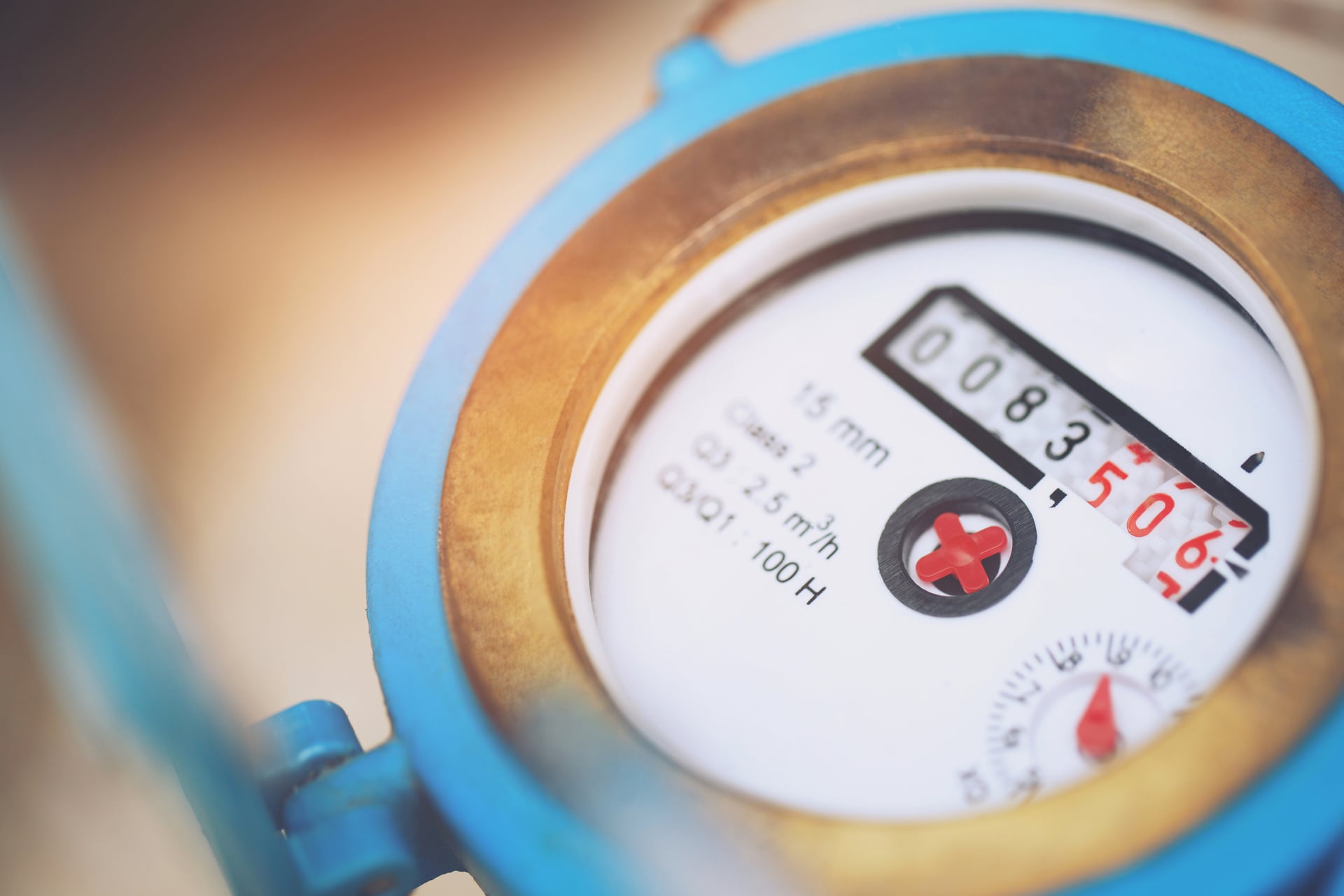
The water meter measures every gallon that flows through the main supply line. When this device spins without any visible water usage, it signals a breach somewhere in the plumbing system. Water continuously moves from the main line through pipes, creating the telltale meter movement that indicates a hidden leak.
Most homeowners notice this issue during routine meter readings or when reviewing unexpectedly high water bills. The spinning motion occurs because water pressure seeks the path of least resistance, finding cracks, loose joints, or deteriorated pipe sections.
Underground leaks pose particular challenges because they remain invisible until significant damage occurs. Water travels through soil, creating soggy areas in yards or foundation problems that homeowners might attribute to weather conditions rather than plumbing failures.
Common Hidden Leak Sources Homeowners Miss
1. Silent Toilet Leaks That Drain Your Wallet
The bathroom toilet represents the most frequent source of household water leaks, often operating silently while continuously wasting water. These leaks typically originate from worn flapper valves that fail to create proper seals, allowing water to flow from the tank into the bowl without detection. A single running toilet can waste over 200 gallons daily, translating to hundreds of dollars in annual water costs.
Flapper deterioration occurs gradually through mineral buildup, warping, or simple wear from repeated use. The rubber material becomes brittle over time, preventing the tight seal necessary to stop water flow. Chain adjustments and mineral deposits further complicate proper flapper function, creating persistent leaks that homeowners rarely notice without specific testing methods.
2. Underground Slab Leaks Creating Foundation Problems
Slab leaks develop beneath concrete foundations when water pipes crack or separate within the structure. These leaks create warm spots on the flooring, unexplained water sounds, and gradual foundation settling that can compromise structural integrity. Clay soil composition worsens these issues, as shifting ground creates additional pressure on buried pipes.
Signs include mysteriously warm flooring areas, persistent musty odors, or small sections of lifted wooden floors. These leaks often develop slowly, allowing water to pool beneath the foundation and create expensive repair situations. Early detection prevents foundation damage that can cost tens of thousands of dollars to remediate.
3. Outdoor Irrigation System Failures
Sprinkler systems frequently develop leaks in underground distribution lines, valve boxes, or individual sprinkler heads. These failures often go unnoticed because they occur below ground or in areas with existing moisture. Broken irrigation pipes can waste thousands of gallons monthly while creating soggy lawn areas that homeowners might attribute to overwatering.
Valve malfunctions cause continuous water flow even when systems appear shut off. Seasonal temperature changes create expansion and contraction cycles that stress pipe joints, leading to gradual failures. Regular system inspections help identify these issues before they impact water bills significantly.
DIY Tests to Confirm a Hidden Water Leak
The Water Meter Test: 15 Minutes to Overnight Detection
The water meter test provides definitive evidence of hidden leaks through systematic observation. Begin by shutting off all water-using appliances, fixtures, and irrigation systems throughout the property. Record the current meter reading and wait fifteen minutes without using any water. If the meter shows movement during this period, a leak exists somewhere in the system.
For thorough testing, extend the observation period overnight. Mark the meter position before bedtime and check again in the morning. Any movement indicates continuous water flow that requires investigation. The U.S. Environmental Protection Agency suggests that families using over 12,000 gallons monthly during the winter months likely have serious leaks requiring immediate attention.
Food Coloring Toilet Tank Method
The toilet tank test identifies silent flapper leaks using simple food coloring. Add several drops of colored dye to the toilet tank and wait fifteen minutes without flushing. If colored water appears in the bowl, the flapper valve allows continuous water flow. This method works because dye travels with leaking water, providing visual confirmation of the problem.
Different colors help distinguish between multiple toilet tests when checking several bathrooms simultaneously. Red, blue, or green food coloring creates obvious contrasts against clear water, making leak detection straightforward for homeowners.
Professional Detection Methods That Save Money
Thermal Imaging and Acoustic Technology
Professional leak detection services utilize advanced thermal imaging cameras that identify temperature variations caused by water movement behind walls or beneath foundations. These cameras detect heat signatures created by escaping water, allowing precise leak location without invasive excavation or wall damage. Acoustic listening devices complement thermal imaging by identifying specific sound frequencies produced by pressurized water escaping through pipe cracks.
Specialists can also use ground microphones and pressure testing to analyze underground pipe conditions without digging. This technology distinguishes between different types of leaks based on acoustic signatures, helping prioritize repair urgency and methods. The combination of thermal and acoustic detection reduces investigation time while improving accuracy.
Video Camera Pipe Inspections
Miniature video cameras inserted into plumbing systems provide real-time views of pipe interiors, revealing damage, corrosion, or blockages invisible through other methods. These cameras move through existing plumbing without requiring wall removal or excavation, making them ideal for investigating thick walls or underground pipe runs.
High-definition cameras capture detailed footage of pipe conditions, allowing technicians to document problems and plan targeted repairs. This technology particularly benefits older homes where pipe locations remain uncertain or where multiple issues might exist within the system.
Moisture Meter Precision Mapping
Electronic moisture meters detect elevated humidity levels in building materials, helping identify leak locations before visible damage occurs. These instruments measure moisture content in walls, floors, and foundations, creating maps of affected areas. Professional technicians use moisture meters to trace leak paths and determine repair scope.
Moisture detection prevents extensive damage by identifying problems early in their development. This technology helps distinguish between recent leaks and older moisture issues, guiding repair strategies and preventing unnecessary work.
When to Call a Leak Detection Specialist
Contact professional leak detection services immediately when the water meter test confirms continuous flow despite all fixtures being shut off. Persistent high water bills, unexplained wet spots in yards, or sounds of running water when systems are inactive warrant professional investigation. These signs indicate leaks that require specialized equipment and expertise to locate accurately.
Professional intervention becomes necessary when DIY tests suggest slab leaks or underground pipe problems. These situations require thermal imaging, acoustic detection, and excavation capabilities beyond homeowner resources. Early professional involvement prevents minor leaks from becoming major structural problems.
Getting a professional involved early is almost always more cost-effective than waiting for visible damage to appear. Water can travel far from its source before it shows up as a stain, a warped floor, or a cracked foundation — by which point repairs become significantly more expensive. Annual plumbing inspections are a reasonable safeguard, especially in homes over 20 years old, where pipe deterioration is more likely. If your meter test confirms flow with everything off, that's the clearest signal to stop guessing and bring in a specialist.
Engle Services
City: Sylacauga
Address: 40300 U.S. 280
Website: https://engleservicesheatingandair.com/


Comments
Post a Comment