South Florida Roach Types: Identification, Treatments & When To Call The Pros
Key Takeaways
- Accurate identification is essential because treatment protocols for outdoor-dwelling American roaches differ significantly from those for indoor-breeding German roaches.
- Early diagnostic markers include pepper-like fecal spotting, musty odors, and the discovery of purse-shaped egg cases known as ootheca.
- Structural age increases vulnerability, as homes built in the 1960s and 1970s often feature compromised seals that serve as entry points.
- Retail "bug bombs" often fail because they cause colonies to scatter deeper into wall voids rather than eliminating the nesting site.
- Bi-monthly barrier treatments provide a persistent, safe shield that prevents seasonal infestations for up to 60 days.
- Professional inspectionsensure thoroughness, with companies like 911 Pest Experts allocating double the industry-standard time to identify hidden nesting areas.
The sound of a sudden "crunch" underfoot in a darkened kitchen or the blur of a mahogany-colored wing in the peripheral vision is a staple of life in the subtropics. In South Florida, the presence of cockroaches is often treated as an environmental inevitability rather than a lapse in hygiene. However, as the humidity climbs in springtime, distinguishing between a stray "Palmetto bug" and an established infestation becomes critical for property preservation.
While many residents rely on over-the-counter sprays, local entomological patterns suggest that a lack of species-specific knowledge often leads to ineffective treatment. Understanding the nuances of South Florida's most common roach species is the first step in moving from reactive swatting to proactive prevention.
The "Palmetto Bug" Misnomer
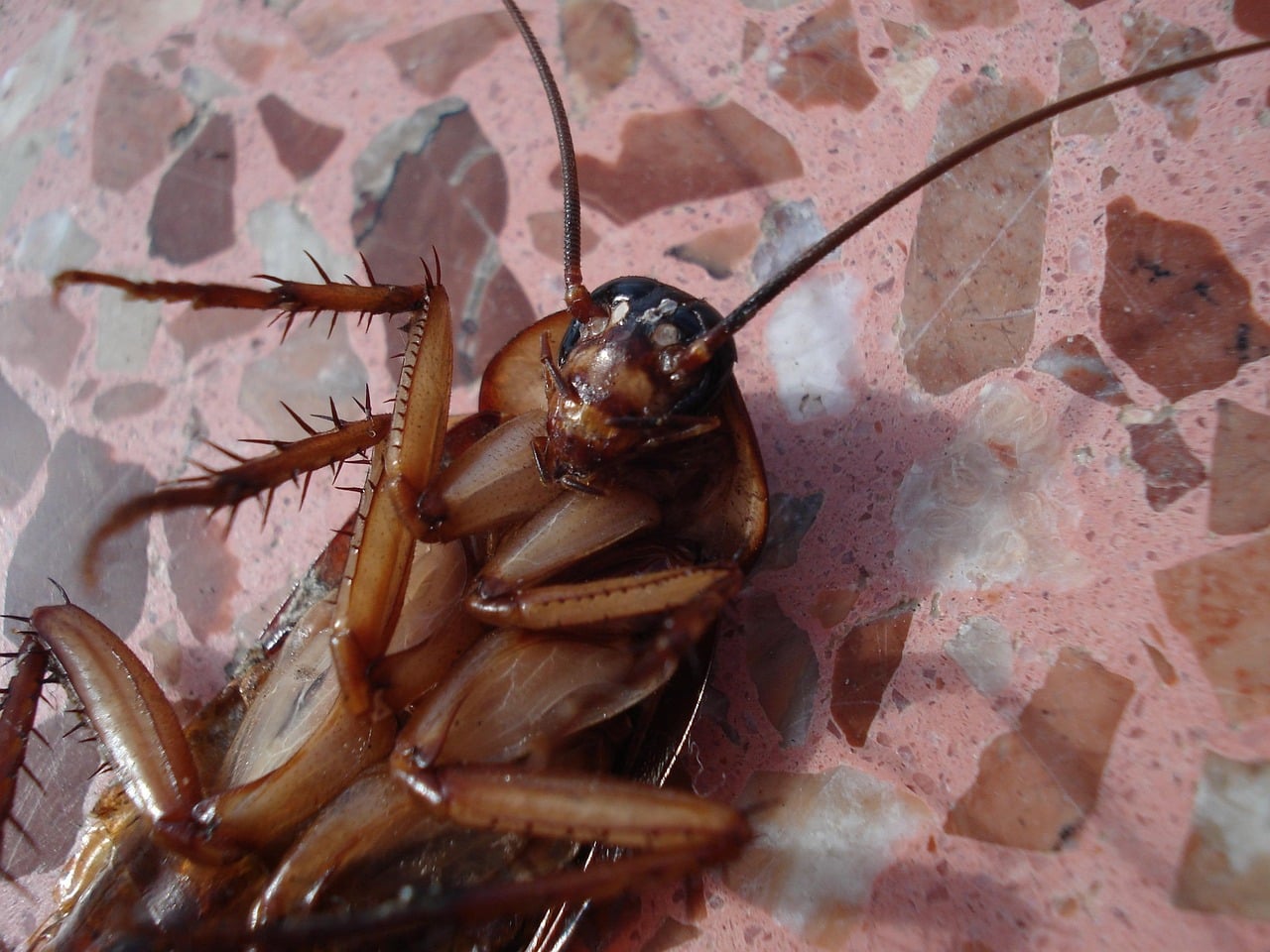
The term "Palmetto bug" is frequently used as a linguistic shield to avoid the social stigma of a "cockroach infestation." In reality, this colloquialism usually refers to the American Cockroach (Periplaneta americana). These are the large, winged insects that thrive in the damp, shaded areas provided by saw palmettos and mulch. While they prefer the outdoors, they are opportunistic invaders that enter homes seeking moisture or shelter from heavy rains.
Conversely, the German Cockroach (Blattella germanica) is a strictly domestic species. These smaller, light-brown roaches do not live in trees; they live in the cracks of kitchens and bathrooms. Identifying the difference between a lone American cockroach and a burgeoning German cockroach population is the difference between a simple exclusion task and a major sanitation crisis.
How to Identify the Most Common Species
Successful management requires accurate identification, as the treatment for an outdoor-dwelling species differs significantly from that of an indoor breeder.
- The American Cockroach: Measuring up to two inches, these reddish-brown insects are capable of short flights and are often found in laundry rooms or near plumbing fixtures.
- The German Cockroach: These are approximately half an inch long with two distinct dark parallel stripes running down the back. They reproduce faster than any other common species, making them the primary cause of residential infestations.
- The Asian Cockroach: Frequently mistaken for the German cockroach, this species is found in leaf litter and mulch. Unlike their German counterparts, Asian cockroaches are strong fliers and are highly attracted to bright lights at night.
- The Florida Woods Cockroach: Also known as the "stinkroach," this large, wingless species is typically found in woodpiles or tree holes and rarely survives long inside a home, as it is highly susceptible to dehydration.
Spotting the Signs Before the Sightings
Roaches are nocturnal and highly adept at remaining hidden. By the time a resident sees one during daylight hours, the population has likely outgrown its available hiding spots. Therefore, identifying subtle diagnostic markers is essential for early intervention.
Fecal Spotting and Smears
Small roaches like the German variety leave droppings that resemble coffee grounds or black pepper, often concentrated in the corners of drawers or along the tops of door frames. Larger species leave cylindrical droppings with blunt ends and ridged sides. In areas with high moisture, such as under sinks, these may appear as dark "smear marks" along the walls.
Ootheca (Egg Cases)
The discovery of a small, purse-shaped brown capsule—known as an ootheca—is a definitive sign of a breeding population. A single German cockroach egg case can contain up to 40 nymphs, meaning one overlooked capsule can lead to a significant surge in sightings within weeks.
The Pheromone Odor
Established infestations produce a distinct, musty, or oily odor. This scent is caused by pheromones used for communication and can linger in cabinets or pantries even after the insects have retreated for the day.
Why Some Homes Are More Vulnerable
In South Florida, structural age plays a significant role in pest vulnerability. Homes constructed in the 1960s and 1970s are particularly susceptible due to settled foundations, aging window seals, and the use of construction materials that have developed cracks over decades. These gaps provide "superhighways" for roaches to move between the exterior environment and the interior voids of walls.
Furthermore, clutter provides the physical security roaches crave. Cardboard boxes, in particular, are problematic as they provide both a food source (the glue) and a porous surface that retains the pheromone scents of the colony.
Which Treatments Actually Work?
The Downside of DIY
The primary mistake made by homeowners is the over-reliance on "bug bombs" or total release foggers. These products often fail to reach the deep crevices where roaches nest. Furthermore, some species, particularly German cockroaches, have developed resistance to common retail pyrethroids. These sprays often act as a repellent rather than a lethal agent, causing the colony to scatter deeper into the walls—a phenomenon known as "budding."
The Power of the 60-Day Barrier
Professional-grade treatments focus on a barrier-based approach. Modern formulations used by local experts are designed to remain effective for approximately 60 days, creating a protective shield around the perimeter of the home. These products are typically safe for humans, pets, and plants, allowing residents to remain inside the home during the application.
Expert-led services emphasize a transition from reactive "problem-solving" to recurring bi-monthly pest prevention. This methodology includes:
- Interior and Exterior Barriers: Blocking entry points before the insects reach the living space.
- Dewebbing: Removing spider webs and egg sacs from eaves and corners to reduce overall insect pressure.
- Seal Inspection: Checking the integrity of door sweeps and window screens to ensure physical exclusion is maintained.
Securing the Perimeter
As South Florida enters the peak of the 2026 spring season, the goal for any property owner should be the creation of an inhospitable environment for cockroaches. This involves managing moisture levels, sealing structural gaps, and maintaining a consistent chemical barrier.
If you suspect an infestation, you may see limited success with DIY methods, so calling in the pros is the most effective next step.
911 Pest Experts
City: Palmetto Bay
Address: 9555 Southwest 175th Terrace #202
Website: https://911homehelps.com/
Phone: +1 786 269 6959
Email: info@911homehelps.com


Comments
Post a Comment