Smart Conference Rooms: How They Improve Hybrid Meeting Productivity
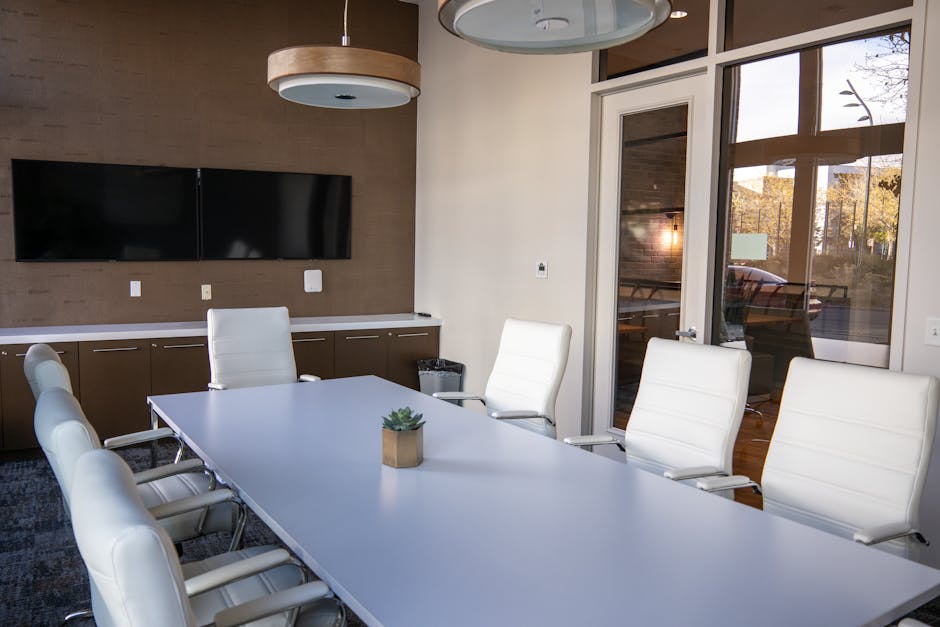
Why Meeting Environments Now Define Productivity
Meeting productivity is no longer just about agenda structure or time management—it is increasingly shaped by the environment in which discussions take place. As organizations adopt hybrid work models, many are rethinking how meeting spaces function and how a smart conference room meeting experience can support clearer communication and better outcomes.
Traditional conference rooms were designed for in-person collaboration, which creates challenges when remote participants are introduced. Audio delays, poor camera positioning, and inconsistent connectivity can disrupt the natural flow of conversation. These issues often lead to repeated explanations, missed cues, and longer meetings that deliver less value.
The Rise of Hybrid Work and Its Impact on Meetings
Hybrid work is no longer an exception—it has become a standard operating model across many industries. According to a report by Owl Labs, a majority of employees—62%—now work at least part of the time remotely, reflecting the widespread shift toward hybrid work models. This shift has fundamentally altered the expectations around how meetings are conducted.
Organizations are no longer optimizing spaces for a single type of participant. Instead, they must ensure that both in-room and remote attendees can contribute equally. Without the right infrastructure, hybrid meetings often create a divide where remote participants feel less engaged, leading to slower decisions and reduced collaboration.
Common Challenges in Traditional Conference Rooms
Many organizations continue to rely on outdated meeting environments that were not designed for hybrid collaboration. These spaces introduce several recurring challenges:
- Device connection delays that consume the first few minutes of meetings
- Inconsistent audio quality, making it difficult for remote participants to follow discussions
- Limited camera coverage, which reduces visibility and engagement
- Fragmented systems requiring multiple tools to manage a single meeting
- Frequent troubleshooting, interrupting the natural flow of conversation
These issues may seem minor individually, but collectively they create friction that impacts productivity across teams.
How Smart Conference Rooms Reduce Friction
Smart conference rooms are designed to eliminate these inefficiencies by integrating technology into a unified system. Instead of managing separate devices and platforms, users can control audio, video, and presentation tools from a single interface.
This streamlined approach allows meetings to begin on time and proceed without unnecessary interruptions. When technology works seamlessly in the background, participants can focus entirely on the discussion rather than the setup.
Key features that support this include:
- Centralized control panels for managing all meeting functions
- Automated system startup, reducing manual configuration
- Pre-configured meeting settings for consistent performance
- Seamless platform integration with popular video conferencing tools
The Role of Audio and Video in Engagement
Clear communication is at the heart of productive meetings, and this depends heavily on audio and video quality. Smart conference rooms incorporate advanced technologies that ensure every participant can be seen and heard clearly.
For example, beamforming microphones capture sound evenly across the room, eliminating the need for participants to raise their voices or repeat themselves. At the same time, intelligent cameras can automatically frame speakers or adjust based on movement, creating a more natural viewing experience for remote attendees.
These enhancements help maintain engagement and reduce the cognitive load associated with trying to follow unclear conversations.
Why Room Design Matters as Much as Technology
While technology is critical, the physical layout of a conference room plays an equally important role in productivity. Poor placement of displays, cameras, or microphones can undermine even the most advanced systems.
Effective smart conference room design considers:
- Camera positioning to maintain eye-level interaction
- Display placement for easy visibility across the room
- Seating arrangements that support balanced participation
- Acoustic treatment to minimize echo and background noise
When these elements are aligned, meetings feel more inclusive and interactive, regardless of where participants are located.
Wireless Collaboration and Content Sharing
Another major source of inefficiency in traditional meeting rooms is the process of sharing content. Connecting cables, switching inputs, and troubleshooting compatibility issues can interrupt the flow of discussion.
Smart conference rooms address this with wireless presentation systems that allow participants to share content instantly from their devices. This enables:
- Faster transitions between speakers
- More dynamic collaboration
- Reduced dependency on specific hardware or adapters
As a result, meetings become more fluid and responsive, supporting better decision-making.
Long-Term Impact on Organizational Productivity
The benefits of smart conference rooms extend beyond individual meetings. Over time, reducing friction and improving communication can have a measurable impact on overall productivity.
Teams can:
- Spend less time resolving technical issues
- Make decisions more quickly
- Improve alignment across distributed teams
- Reduce meeting fatigue through more efficient sessions
These cumulative improvements contribute to a more effective and collaborative work environment.
Looking Ahead: The Future of Hybrid Meeting Spaces
As hybrid work continues to evolve, conference room technology will likely become even more intelligent and adaptive. Automation, AI-driven insights, and deeper integration across platforms are expected to further enhance meeting experiences.
Organizations that invest in these environments early are better positioned to support flexible work models and maintain productivity across diverse teams. A well-designed smart conference room for hybrid collaboration is not simply a technological upgrade—it reflects a broader shift toward more efficient, inclusive, and connected ways of working.
Sphere Audio Video
City: Birmingham
Address: 504 Cahaba Park Circle
Website: https://sphereav.com


Comments
Post a Comment