Pothole Damage In Westchester County: Why Property Managers Shouldn't Ignore It
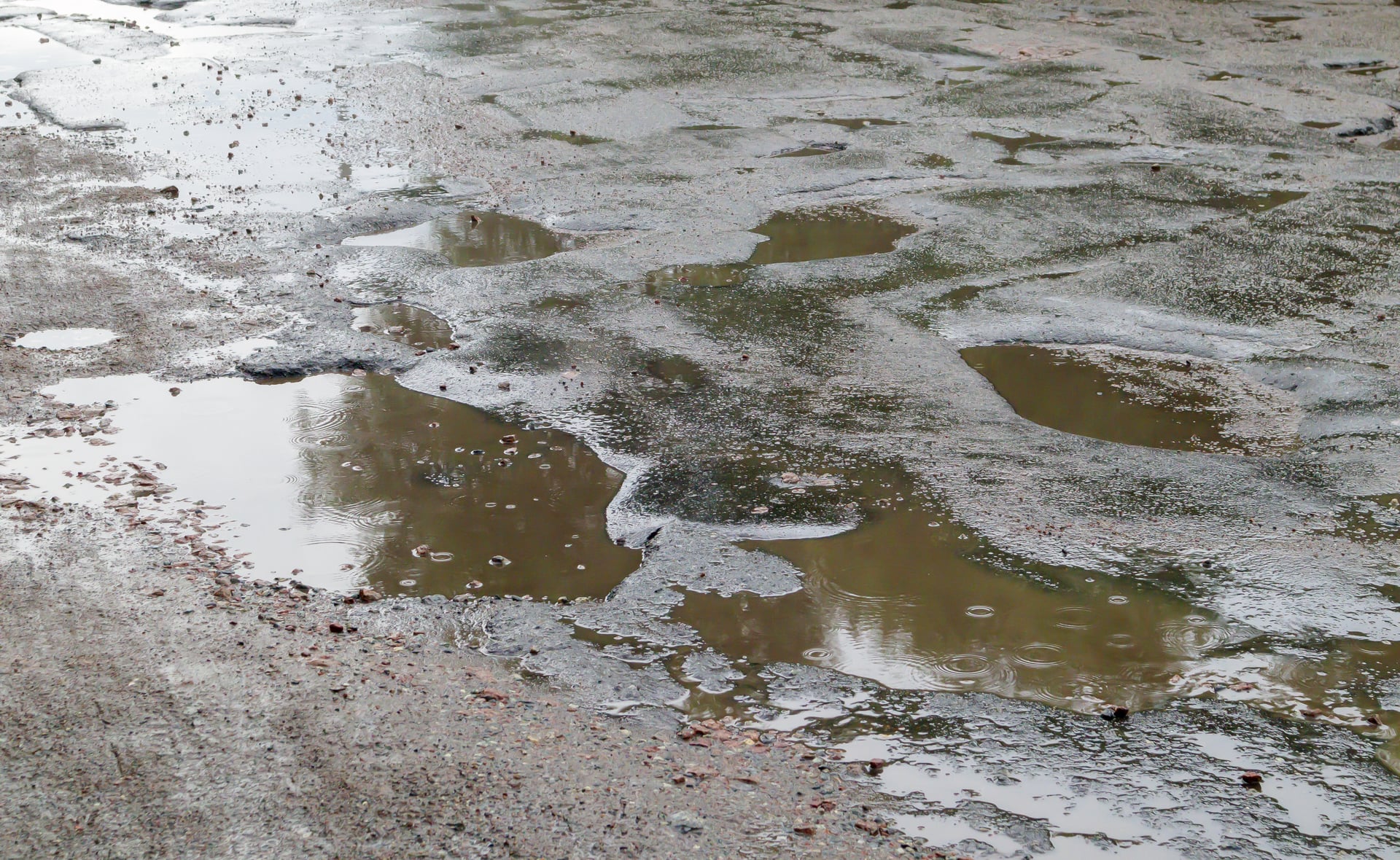
Key Takeaways
- Delaying pothole repairs escalates costs exponentially - industry data shows a $1,500 crack sealing job can prevent $80,000 in full reconstruction within seven years.
- Westchester County's freeze-thaw cycles accelerate pavement damage, making timing critical for maintenance scheduling and cost control.
- Property managers face significant liability risks from vehicle damage claims, trip-and-fall incidents, and insurance premium increases due to neglected maintenance.
- Preventative maintenance reduces total lifecycle costs by approximately 30% while protecting property values and tenant satisfaction.
- Working with local contractors who understand Westchester's infrastructure ensures optimal repair timing and long-lasting solutions.
Commercial property managers in Westchester County face a costly reality: ignoring pothole damage creates a cascade of escalating expenses that can devastate maintenance budgets. What starts as minor pavement cracking quickly transforms into major structural failures, liability risks, and property value depreciation, the technicians at Avello Asphalt & Construction explain. This has the potential to affect both current operations and long-term investment returns.
The $80,000 Consequence of a $1,500 Decision
The mathematics of deferred maintenance paint a stark picture for Westchester County property managers. Industry data consistently demonstrates that postponing minor repairs creates exponential cost escalation that can destroy maintenance budgets within just a few years.
Consider a typical 10,000-square-foot commercial parking lot with minor cracking. Year one crack sealing costs approximately $1,000 to $1,500 and takes just a few hours to complete. This simple investment extends pavement life by three to five years and prevents water infiltration that drives deterioration.
By year three, neglected cracks become active failures requiring patching and partial overlay work. Costs jump to $4,000 to $8,000 for affected areas, with one to two days of disruptive construction. The original $1,500 investment would have completely prevented this expense.
Year five brings extensive base failure demanding milling and overlay across 5,000 square feet. Property managers now face $25,000 to $40,000 in repairs, plus three to five days of significant traffic disruption that affects tenant operations and customer access.
By year seven, complete reconstruction becomes inevitable. The entire 10,000 square foot lot requires $80,000 to $120,000 in replacement costs, with one to two weeks of major operational disruption. This represents the industry's "Rule of Seven" - spending one dollar on preventive maintenance saves seven dollars in future reconstruction costs.
Westchester's Freeze-Thaw Cycle Creates Perfect Pothole Conditions
Westchester County's climate creates particularly aggressive conditions for pavement deterioration. The region experiences significant temperature fluctuations that accelerate damage through repeated freeze-thaw cycles, making maintenance timing absolutely critical for cost control.
How Climate Accelerates Pavement Failures
Water infiltrates pavement cracks during warmer periods, then expands by approximately 10% when temperatures drop below freezing. This expansion creates tremendous pressure within the asphalt structure, widening existing cracks and creating new fracture points throughout the pavement system.
Each freeze-thaw cycle compounds previous damage, creating an exponential deterioration pattern. A hairline crack in October can become a significant structural failure by March, especially when combined with road salt applications and heavy vehicle traffic that further stress compromised pavement sections.
Professional asphalt contractors understand that moisture infiltration through unsealed cracks creates low points where water collects, leading to additional erosion and base failures. This cascade effect means that small maintenance investments in the fall can prevent major reconstruction projects the following spring.
Why Timing Matters for Westchester Properties
Westchester County's maintenance calendar requires strategic seasonal planning. Spring assessments identify winter damage and establish repair priorities. Summer provides ideal conditions for sealcoating and major reconstruction projects when weather conditions optimize material performance and curing times.
Fall crack sealing becomes absolutely critical before winter weather begins. Property managers who delay this step face significantly higher costs the following year as minor issues become major failures during freeze-thaw cycles.
Winter limits options to emergency repairs only, often at premium pricing with temporary solutions that require follow-up work in better weather. Smart property managers use winter months for planning next year's maintenance schedule and budgeting for optimal seasonal timing.
The Hidden Liability Trap Property Managers Face
Beyond direct repair costs, deteriorated parking lots create serious liability exposure that can exceed maintenance budgets through a single incident. Property managers must understand both immediate safety risks and long-term legal vulnerabilities created by deferred maintenance.
Vehicle Damage Claims and Trip-and-Fall Risks
Potholes create immediate hazards for both vehicles and pedestrians accessing commercial properties. Vehicle damage claims from tire, rim, or suspension damage can range from hundreds to thousands of dollars per incident, with property owners potentially liable for repair costs plus legal fees.
Trip-and-fall accidents from uneven surfaces or pothole edges create even more serious liability exposure. Personal injury claims vary widely but can involve substantial medical costs, lost wages, and legal settlements that far exceed the cost of proper maintenance over many years.
ADA compliance violations add another layer of risk. Deteriorated surfaces that impede wheelchair access or create barriers for disabled visitors can result in federal violations and mandatory retrofit costs that dwarf preventive maintenance expenses.
Insurance Premium Increases from Neglected Maintenance
Insurance companies increasingly scrutinize property maintenance practices when evaluating coverage and setting premiums. Documented neglect of parking lot maintenance can result in coverage exclusions, premium increases, or complete policy cancellations that force property managers into high-risk insurance markets.
Claims history directly affects future insurability. Multiple vehicle damage or injury claims related to pavement conditions establish a pattern that insurance companies view as preventable negligence, leading to substantial premium increases that continue for years after problems are corrected.
Some insurers now require regular maintenance documentation and professional condition assessments as policy conditions. Property managers who cannot demonstrate proactive maintenance face policy non-renewals that create expensive insurance shopping and potential coverage gaps.
Strategic Maintenance Timing for Maximum ROI
Smart property managers treat parking lot maintenance as strategic asset management rather than reactive expense management. Understanding optimal timing and cost-effective maintenance sequences maximizes return on investment while minimizing operational disruptions.
Industry Data: Preventative Maintenance Reduces Costs by 30%
Industry studies demonstrate that proactive maintenance reduces total lifecycle costs by approximately 30% compared to reactive repair strategies. These savings comes from multiple sources: longer pavement life, reduced emergency repair premiums, decreased liability exposure, and maintained property values.
The key lies in understanding pavement deterioration curves. Preventive treatments applied during the first 75% of pavement life cost significantly less per year of extended service than major repairs or reconstruction applied after critical deterioration occurs.
Scheduled maintenance also allows for better contractor selection, competitive bidding, and optimal timing that reduces costs and improves quality. Emergency repairs command premium pricing and often require temporary solutions that need follow-up work.
Seasonal Planning for Westchester County Properties
Westchester County's climate demands strategic seasonal maintenance planning. Property managers should conduct spring damage assessments, schedule summer construction projects, complete fall crack sealing, and use winter months for planning and budgeting next year's work.
Summer provides optimal conditions for major work like sealcoating, overlay projects, and complete reconstruction. High temperatures and low humidity ensure proper material curing and long-term performance. Scheduling during slower business periods minimizes tenant disruption and customer impact.
Fall crack sealing becomes absolutely critical before winter weather begins. This relatively inexpensive treatment prevents freeze-thaw damage that can multiply repair costs the following year. Property managers who skip this step often face emergency repairs at premium pricing during the worst weather conditions, experts at Avello Asphalt & Construction report.
Work with Contractors Who Know Westchester County's Infrastructure System
Local expertise makes a significant difference in parking lot maintenance outcomes. Contractors familiar with Westchester County's climate challenges, drainage requirements, and municipal regulations deliver better results at lower total costs through proper initial execution and fewer callback repairs.
Established local contractors understand regional material suppliers, seasonal scheduling constraints, and optimal techniques for local soil and weather conditions. They maintain relationships with suppliers that ensure material availability and competitive pricing, especially during busy construction seasons. They also provide faster emergency response when unexpected problems arise.
Property managers should seek contractors who offer condition assessments, prioritized repair recommendations, accurate cost estimates, multi-year maintenance planning, and ROI analysis for recommended work. This partnership approach treats parking lots as strategic assets rather than maintenance burdens. A parking and driving surface that's a hazard to potential customers is a hazard to the businesses that rely on them, too.
Avello Asphalt & Construction Corp
City: Poughkeepsie
Address: 141 Daley Road
Website: https://www.avelloasphalt.com


Comments
Post a Comment