Plastic Pollution Emergency: Threat to Sea Turtles Now Reaching Humans
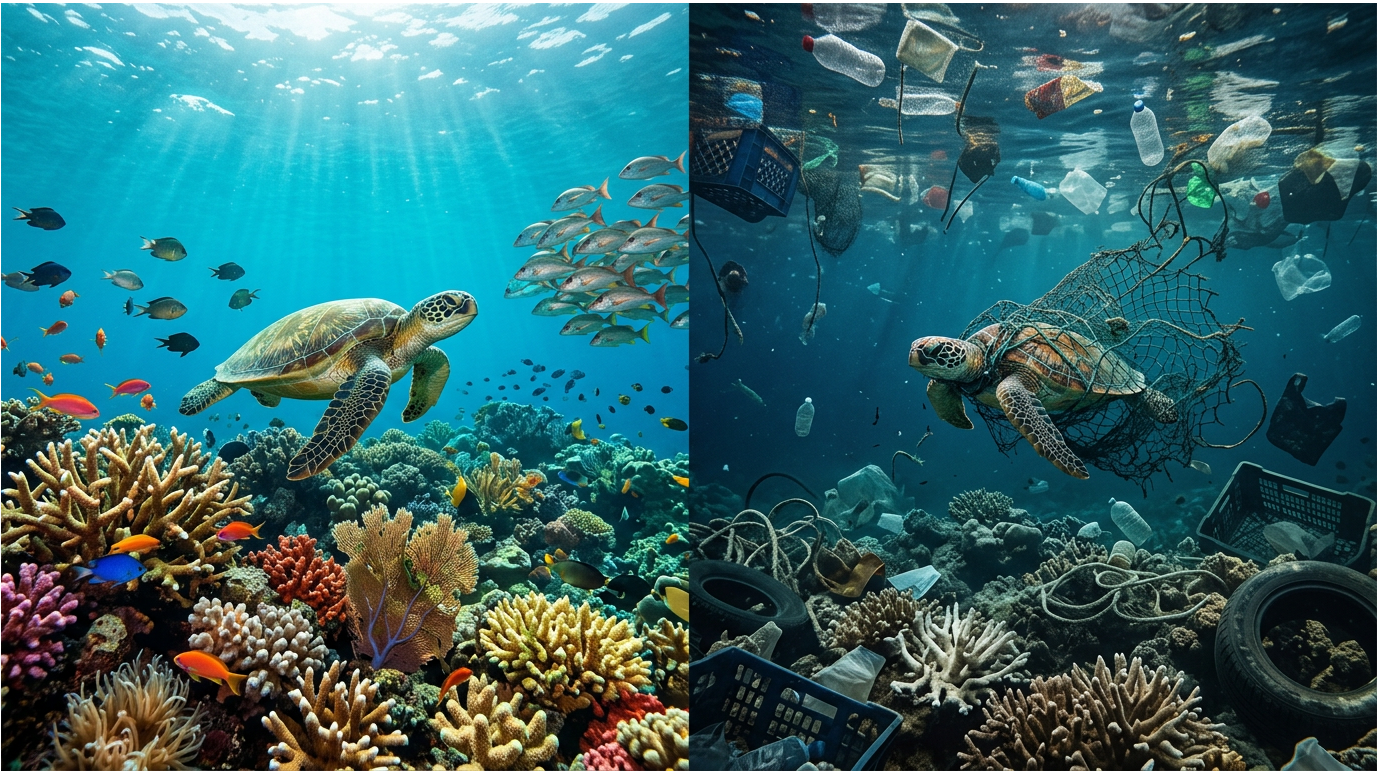
Plastic pollution has long been recognised as a major threat to marine wildlife. However, scientists are increasingly warning that the growing presence of microplastics in the environment may also have implications for human health. Microplastics are extremely small plastic fragments created when larger plastic materials break down over time. Today, these particles are widespread in oceans, freshwater systems, soil, and even the atmosphere. As plastic pollution accumulates across ecosystems, microplastics are entering global food chains and potentially reaching the human body through multiple pathways.
Research highlighted by Geographical Magazine reviewed findings from more than 350 peer‑reviewed studies examining human exposure to microplastics. Scientists estimate that people may ingest the equivalent of roughly a credit card’s worth of plastic each week through everyday activities. Estimated exposure ranges from approximately 0.1 to 5 grams of microplastic particles weekly, with most exposure occurring without people realising it. Microplastics can enter the human body through food, beverages, and airborne particles.
Drinking water has been identified as one of the most common sources of exposure. Studies suggest that bottled water may contain microscopic plastic particles that originate from packaging materials. Seafood is another pathway because many marine organisms accumulate microplastics throughout their lifetimes. Fish and shellfish consumed by humans may therefore contain tiny plastic fragments. Food packaging materials can also release small plastic particles during manufacturing, storage, and preparation, which may contaminate food before it is consumed. In addition, airborne plastic dust can settle onto food surfaces or be inhaled and later swallowed.
Some studies have also detected measurable levels of microplastics in products used for infants. Research suggests that baby formula packaging may release small plastic particles during preparation. In medical settings, premature infants in neonatal care units may be exposed to microplastic particles through certain types of infusion equipment over extended periods.
Scientists are also examining how microplastics may interact with the human body. Many plastic materials contain chemical additives such as stabilisers and plasticisers that are used during manufacturing. Some of these chemicals are recognised endocrine disruptors, which means they may interfere with hormone systems that regulate growth, metabolism, reproduction, and neurological development. Laboratory research has also explored potential links between microplastics and inflammation in human tissues, as well as possible associations with cardiovascular stress and immune responses.
Another concern is that microplastics may act as carriers for microbes and environmental pollutants. These tiny particles can potentially transport contaminants into the body, raising questions about possible long‑term health impacts. Researchers emphasise that scientific understanding of microplastics and human health is still developing, and further study is needed to fully understand the scale of the risks.
Nevertheless, the growing body of research suggests that widespread environmental plastic pollution has consequences that extend beyond marine ecosystems. The same plastic waste that harms sea turtles and other marine wildlife may also contribute to microscopic contamination within the global food supply.
Experts emphasise that reducing plastic consumption can help limit microplastic exposure and environmental pollution. Using reusable containers, reducing reliance on single‑use plastics, and supporting sustainable seafood practices can help reduce the amount of plastic entering oceans. Community cleanup initiatives also play an important role in preventing plastic waste from breaking down into microplastics.
Individuals and communities interested in ocean conservation and the protection of marine wildlife can learn more about plastic pollution and sea turtle conservation efforts at https://everwonderadventure.com/save-sea-turtles. Researchers stress that collective action is essential to reducing plastic pollution and protecting both marine ecosystems and human health.
Ever Wonder Adventure
City: Singapore
Address: One Oxley Rise
Website: https://www.everwonderadventure.com


Comments
Post a Comment