Organizing An Outdoor Event In Texas: Critical Permits & Documentation Required
Key Takeaways
- Texas outdoor events require multiple permits and approvals that vary by city, so early planning is essential to avoid delays or cancellations.
- Sanitation and portable restroom requirements are one of the most commonly overlooked factors, yet they are critical for compliance and guest experience.
- Key permits often include special event permits, TABC alcohol permits, health department approvals, and fire marshal inspections.
- Restroom needs depend on guest count, duration, and alcohol service, with ADA compliance and handwashing stations required for many events.
- Application timelines and costs can vary widely, making early coordination and budgeting crucial for a smooth, compliant event.
Planning an outdoor event in Texas involves navigating a complex web of regulations, permits, and logistical requirements that vary significantly from city to city. Success depends on understanding these requirements early in the planning process and allowing sufficient time for approvals.
Want to Host an Outdoor Event in Texas? There's One Thing Most Folks Forget
The perfect venue is booked, the catering is confirmed, and the entertainment lineup looks incredible. Then someone asks about the permit number, and suddenly the entire event hangs in the balance. This scenario plays out across Texas every week because event organizers focus on the exciting details while overlooking the regulatory foundation that makes everything legal.
Every Texas city creates its own permitting requirements, turning what seems like a simple gathering into a complex regulatory puzzle. A family reunion that grows to 500+ guests suddenly requires significant documentation and permits, similar to those needed for larger public events. Street closures trigger transportation department reviews. Food service activates health department inspections. Each element adds another layer of required approvals.
The most commonly overlooked element involves sanitation services and portable restroom requirements. GrimeTime Dumpster Rentals has worked with countless event organizers who discovered these requirements at the last minute, creating unnecessary stress and potential compliance issues that put their whole event in jeopardy. Understanding sanitation regulations early prevents these emergency situations and ensures guest comfort throughout the event.
Critical Permits and Documentation Texas Demands
1. Special Event Permits Based on Crowd Size
Special event permits serve as the foundation for all outdoor gatherings in Texas. Many cities establish a threshold for special event permits, often around 100-500 attendees, though some municipalities, like Austin, lower this number to 50 or more people, especially when alcohol service is involved, or the event impacts public spaces.
The permit application triggers reviews from multiple city departments simultaneously. Police need to arrange staffing, fire officials examine safety plans, and transportation departments evaluate traffic impact. Each department operates on its own timeline, making early submission critical for avoiding delays.
2. TABC Temporary Permits for Alcohol Service
Alcohol service at Texas outdoor events requires a Temporary Event Permit from the Texas Alcoholic Beverage Commission (TABC). The application process demands detailed information about event location, dates, types of alcohol served, and security measures. Even a small wine tasting or beer garden triggers this requirement.
3. Health Department Requirements for Food Service
The Texas Department of State Health Services provides strict guidelines for temporary food establishments at public events. These regulations cover food handling procedures, temperature control systems, and handwashing facility requirements designed to prevent foodborne illnesses.
Even free food distribution triggers health department oversight. A simple queso bar requires refrigeration setup inspection, proper serving temperatures, and documented food safety protocols. Commercial food vendors must provide additional documentation including business licenses and health certifications.
4. Fire Marshal Approvals for Tents and Structures
Large tents, temporary stages, and electrical installations require fire marshal inspections to ensure compliance with fire safety codes. These inspections verify proper egress routes, fire extinguisher placement, and electrical safety measures. The process becomes more complex during drought conditions when additional fire prevention measures may be required.
5. Sanitation and Waste Removal
Sanitation requirements represent one of the most overlooked aspects of Texas outdoor event planning. Events generate excessive amounts of waste that must be managed and removed quickly and efficiently.
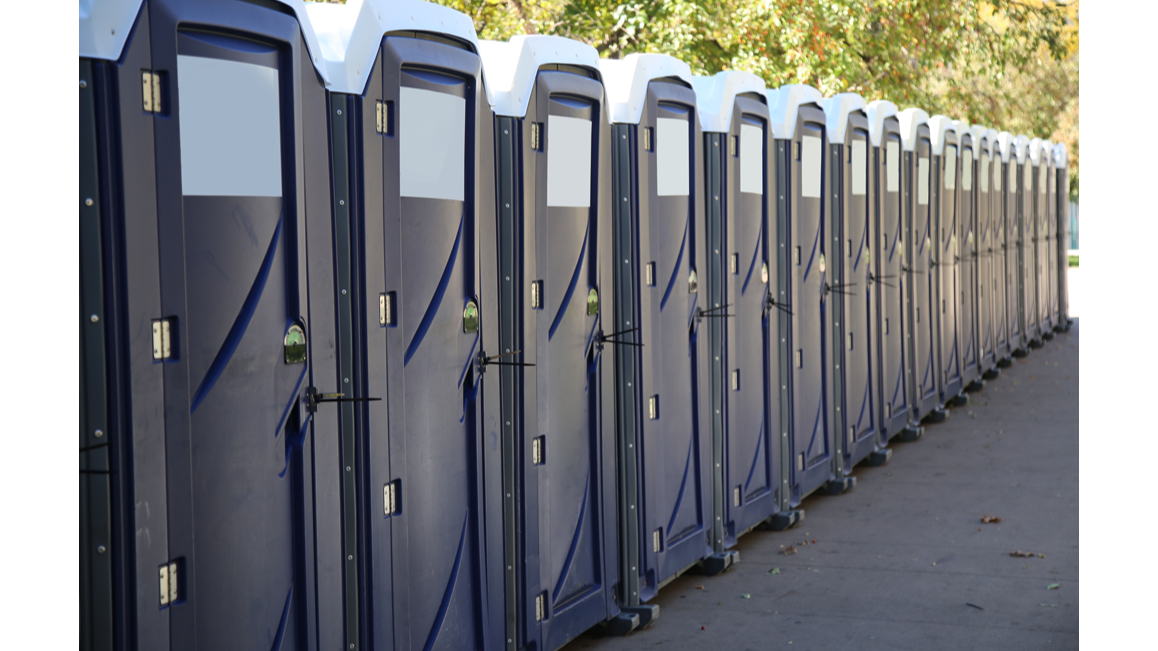
Additionally, portable restroom quantities, placement, and servicing schedules must meet specific health department guidelines. Events serving alcohol require additional restroom capacity due to increased usage patterns. What most event organizers forget is that ADA compliance adds an extra layer of complexity, requiring wheelchair-accessible units with proper placement and clear access routes. Handwashing stations become mandatory near food service areas, and multi-day events need scheduled servicing to maintain hygiene standards throughout the event duration.
Portable Restroom Planning
Calculating Units Based on Guest Count and Duration
Portable restroom calculations follow established formulas that consider guest count, event duration, and alcohol service. The general guideline recommends one restroom per 50 guests for four-hour events, but this baseline increases significantly for longer gatherings or when alcohol is served. A six-hour event with bar service might require one unit per 30-35 guests to maintain acceptable service levels.
Event type influences usage patterns beyond simple guest counts. Understanding these patterns helps optimize unit placement and quantity.
ADA Compliance and Handwashing Station Requirements
The Americans with Disabilities Act (ADA) requires accessible restroom facilities at public events. ADA-compliant portable restrooms feature spacious interiors, handrails, and accessible entry ramps. These units must be positioned on level ground with clear access paths free from obstacles or uneven surfaces. To fulfill the requirements, between 5% and 10% of toilets must be accessible.
Handwashing stations are mandatory when food service is involved, serving both guests and food vendors. These stations require running water, soap dispensers, and paper towels, with waste containment systems to prevent ground contamination.
Alcohol Service Impact on Restroom Needs
Alcohol consumption significantly increases restroom usage frequency, typically requiring 15-25% more units than non-alcohol events. Event organizers should plan accordingly to prevent long lines and guest dissatisfaction.
Delivery and Removal
Professional delivery and removal services ensure proper restroom placement and timely post-event cleanup. Multi-day events may require mid-event servicing to restock supplies and maintain sanitary conditions.
Application Timelines That Make or Break Events
How City-Specific Deadlines Range from 10 to 210 Days
Texas cities operate on dramatically different permitting timelines that catch many event organizers off guard. Fort Worth requires applications 60 days in advance for standard events, with longer lead times up to 210 days for larger events, while Austin's Center for Events recommends 60-90 days for complex gatherings depending on their tier. Some municipalities may process simple permits in as few as 3-10 days for certain events, while larger events requiring street closures or pyrotechnics can demand up to 210 days advance notice.
These timeline variations aren't arbitrary - they reflect each city's capacity to review applications, coordinate with multiple departments, and ensure public safety. Cities with more complex approval processes typically offer more support and resources, but require longer lead times to manage the additional oversight.
Event Type and Size Impact on Processing Times
Event characteristics significantly influence processing timelines across Texas municipalities. A neighborhood block party with 200 guests might receive approval in 2-3 weeks, while a festival expecting 5,000 attendees could require 3-4 months for complete approval. Street closures, pyrotechnics, and alcohol service each add weeks to the review process.
Booking Rental Services Ahead of Time
Portable restroom rentals and other services should be booked simultaneously with permit applications. Early booking ensures availability and allows time for coordination with city inspectors.
Budget Impact of Permits and Services
Variable Permit Fees Across Major Texas Cities
Fort Worth charges a flat $300 fee for outdoor events exceeding 500 attendees, providing predictable budgeting for event organizers. Austin operates on a variable pricing structure through its Center for Events, with costs determined by event size, duration, and required city services. Dallas adds supplemental charges for alcohol service, including a $150 fee for alcohol sales, and for larger events (over 1,000 people), a $250 non-refundable alcohol permit fee and a $200 deposit may be required.
Additional Costs: Police Staffing and Cleanup Requirements
Cities often require police staffing, with the number of officers determined by the local police department based on event specifics. The cost of these officers, which can include overtime rates, is typically the responsibility of the event organizer.
Some cities require cleanup deposits, which may include an additional deposit if alcohol is served, refundable after satisfactory post-event inspections. Waste disposal fees, recycling requirements, and grounds restoration costs should be included in event budgets.
Ensure Event Permits and Sanitation Compliance
Sanitation compliance goes beyond simply providing adequate restroom facilities. Texas health regulations require documented waste disposal plans and water quality considerations for events. Event organizers should also be aware of and adhere to relevant environmental guidelines. Multi-day events face additional scrutiny regarding waste accumulation and regular servicing schedules.
Professional sanitation providers must demonstrate their ability to maintain scheduled servicing, provide emergency support, and handle waste disposal in compliance with local regulations. Verification of proper licensing, insurance coverage, and environmental compliance protects event organizers from liability and ensures smooth operations throughout the event duration.
GrimeTime Dumpster Rentals
City: Austin
Address: 4812 N Interstate Hwy 35, Suite B
Website: https://www.grimetime.com/


Comments
Post a Comment