Online Reputation Management for Small Businesses in 2026: A Beginner’s Guide
For small and medium-sized businesses, reputation is everything. It influences whether a potential customer clicks on your listing or scrolls past it, whether they call your number or choose a competitor, and whether they return after their first experience or never come back. In an age where a single Google search can make or break a buying decision, managing your business reputation is no longer optional but rather one of the most important investments a business owner can make.
What Is Reputation Management?
Reputation management is the practice of monitoring, influencing, and maintaining how your business is perceived online and offline. It encompasses everything from how you respond to customer reviews, to how your business appears in search results to the consistency of your brand message across social media platforms. For SMBs, it is less about damage control and more about proactively building a credible, trustworthy presence that attracts the right customers and keeps them coming back.
Why Reputation Management Matters More Than Ever for SMBs
Local businesses operate in a uniquely personal space. Customers in your area are not just buying a product or service but are choosing to trust a member of their community with their time and money, and that trust is built long before they walk through your door or visit your website. It is built through reviews, search rankings, social media presence, and the overall digital impression your business makes at every touchpoint.
Consider these realities. Nearly half of all Google searches have local intent, meaning potential customers in your area are actively searching for businesses like yours right now. Businesses with strong, well-managed online reputations consistently generate significantly more revenue than those without. And the majority of consumers read online reviews before making a purchasing decision, treating them with the same weight as a personal recommendation from a friend or family member.
For SMBs competing against larger, more established players, reputation management levels the playing field. A well-managed reputation can position a small local business as the most trusted option in its market, regardless of size or advertising budget.
Common Reputation Management Challenges SMBs Face
Many business owners only think about reputation when something goes wrong. For instance, when a negative review appears, a complaint surfaces on social media, or a competitor begins outranking them in local search results. But by that point, the damage has often already begun.
The most common reputation challenges SMBs face include inconsistent or unmonitored online reviews, outdated or inaccurate business listings, an absence of meaningful content that demonstrates expertise, and a lack of engagement on social media platforms where customers are already talking. Each of these gaps, left unaddressed, quietly erodes the trust your business needs to grow.
What Effective Reputation Management Actually Looks Like
Effective reputation management is not simply about collecting five-star reviews, although that is certainly part of it. It is a sustained, multi-channel effort that touches nearly every aspect of how your business presents itself to the world.
Effective reputation management involves maintaining accurate and consistent business information across online directories and platforms, responding promptly and professionally to both positive and negative reviews, and demonstrating a clear commitment to customer feedback. It also includes publishing high-quality content that reinforces industry authority, while sustaining an active social media presence that reflects brand values and keeps audiences engaged and informed.
When these efforts are aligned and working together, the results compound. Your search visibility improves, customer trust increases, lead quality rises, and the gap between your business and less-managed competitors widens over time.
The Smart Way Forward
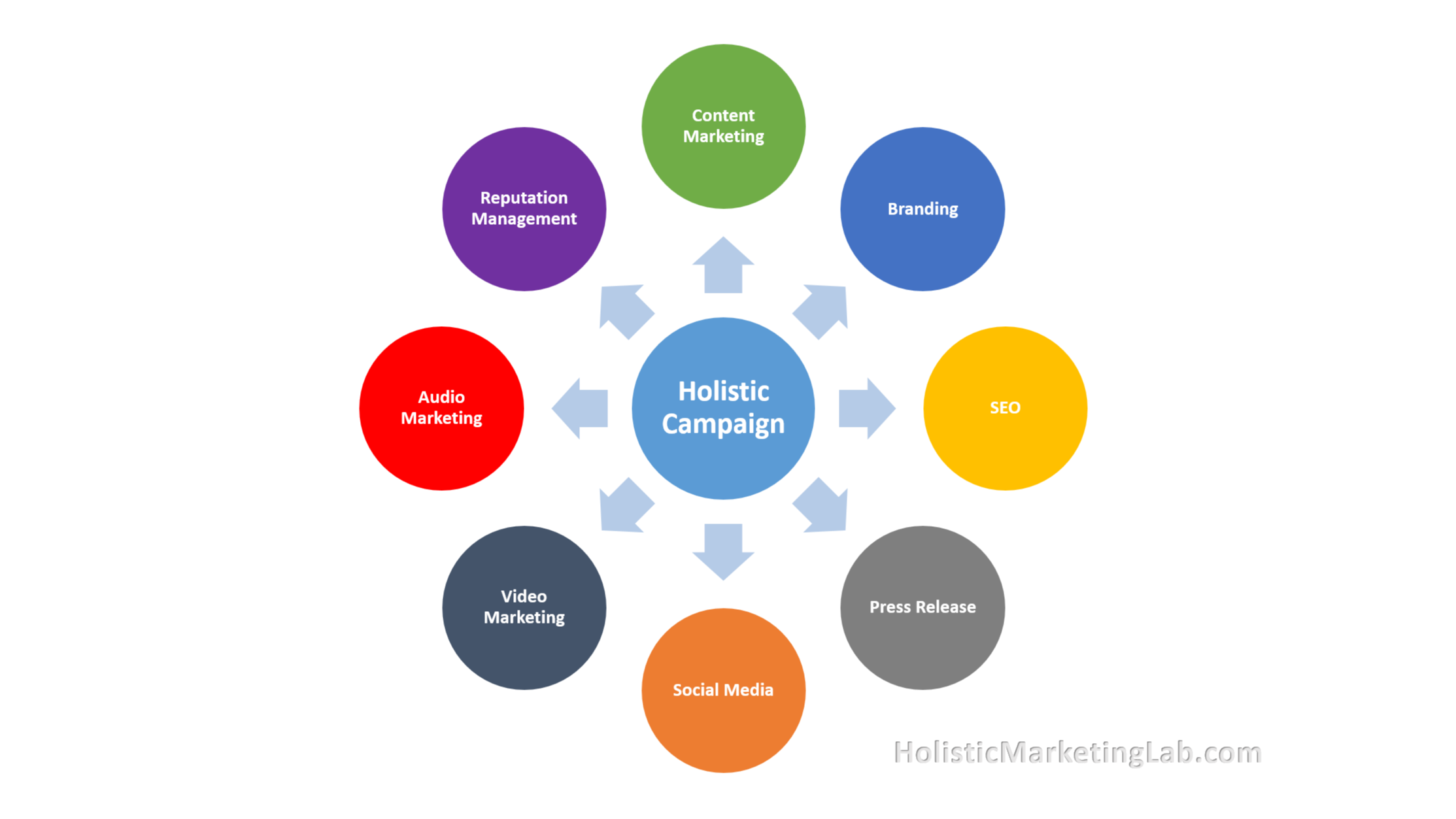
For SMBs looking to take reputation management seriously, the most effective approach is to integrate it within a broader, coordinated marketing strategy rather than treating it as a standalone task. When reputation management works alongside SEO, content marketing, branding, and social media, each discipline strengthens the others, creating a self-reinforcing cycle of credibility and growth.
HolisticMarketingLab
City: Bad Segeberg
Address: Am Weinhof 7
Website: https://holisticmarketinglab.com


Comments
Post a Comment