Mineral-Based Drywall Compound for Level 4 & 5 Finishes: What You Need to Know
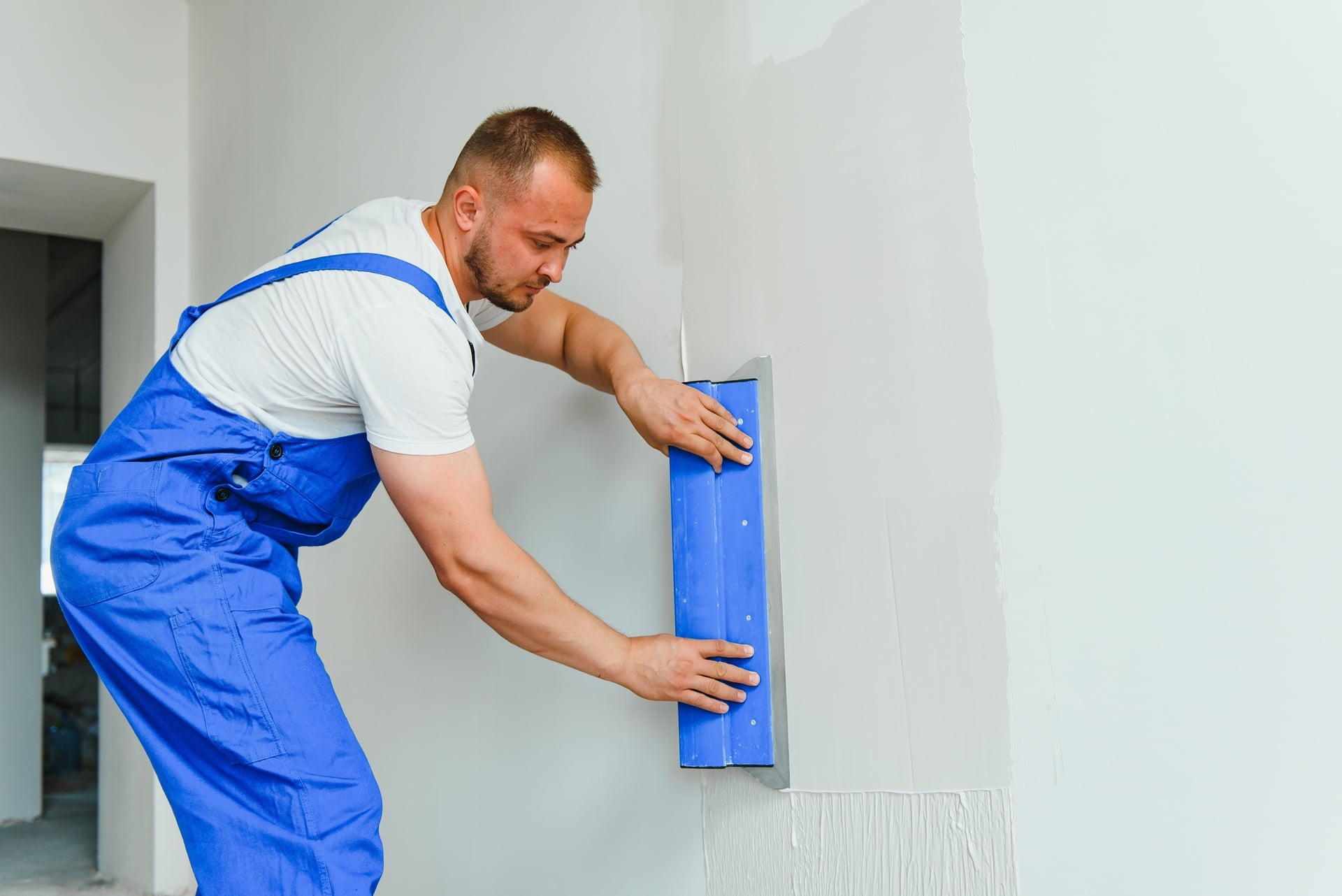
Key Takeaways
- A single mineral-based compound can now replace traditional multi-step drywall systems, reducing material handling and labor time for both Level 4 and Level 5 finishes
- Zero-VOC formulations in drywall compounds support healthier work environments while meeting LEED v4.1 standards for low-emitting materials
- Level 5 finishes require a skim coat over the entire surface, making them necessary for critical lighting conditions and glossy paints
- Mineral-based formulations can offer natural mold resistance without synthetic biocides while achieving superior ASTM D3273 test scores
- Strategic material choices can save thousands in labor costs and hundreds of man-hours on large projects
Professional drywall contractors face increasing pressure to deliver high-quality finishes while managing tight schedules and rising material costs. The traditional approach of using separate base and topping compounds has dominated the industry for decades, but emerging mineral-based alternatives are reshaping how contractors approach Level 4 and Level 5 applications.
Single-Product System Replaces Multi-Step Compounds
Traditional drywall finishing typically requires multiple products, including base coats, topping compounds, and specialty formulations, each serving specific roles in achieving smooth, professional surfaces. This multi-step approach creates logistical challenges on jobsites, requiring crews to manage inventory, coordinate product changes, and maintain different mixing schedules throughout the finishing process.
Mineral-based formulations now exist that handle both base and topping applications for Level 4 and Level 5 finishes, streamlining workflows and addressing the common pain points contractors face when managing complex finishing schedules.
Experts like Phoenix Advanced Materials note that single-product systems eliminate the guesswork involved in transitioning between different compounds during various stages of finishing. Crews can maintain consistent mixing procedures, reduce material waste from partially used containers, and minimize the risk of applying incompatible products. The simplified workflow particularly benefits larger projects where material coordination becomes increasingly complex.
Level 4 vs Level 5 Finish Requirements
Level 4 Standards and Applications
Level 4 finishes represent the standard for most residential and commercial applications. This finish requires tape embedded in joint compound over all flat joints and interior angles, followed by two additional coats on flat joints and one coat on interior angles. Fastener heads and accessories receive three coats of compound to ensure proper coverage and smoothness.
Level 4 finishes work well with flat paints and light textures, making them suitable for most interior spaces. However, they may show imperfections under harsh lighting conditions or when using semi-gloss or gloss paints. The finish provides adequate coverage for standard lighting scenarios while maintaining cost-effectiveness for large-scale projects.
Professional contractors often choose Level 4 finishes for spaces like bedrooms, offices, and general living areas where lighting conditions remain moderate. The finish standard balances quality expectations with practical installation timelines, making it the preferred choice for most commercial and residential applications.
Level 5 Critical Requirements
Level 5 finishes by building upon Level 4 standards by adding a skim coat of joint compound over the entire drywall surface. This additional step creates a smooth, uniform appearance required for critical lighting conditions, gloss paints, or dark-toned finishes. The skim coat effectively hides surface imperfections and creates a consistent texture across the entire wall assembly.
Critical lighting conditions—such as those found in atriums, galleries, or spaces with severe directional lighting—demand Level 5 finishes to prevent visible surface variations. Similarly, non-flat paints, particularly glossy or dark colors, highlight even minor imperfections that would remain invisible under flat paint applications.
The skim coat application requires careful attention to technique and timing. Contractors must apply a thin, uniform layer across the entire surface, then sand to achieve the desired smoothness. This process adds labor time and material costs but delivers the premium finish quality required for high-end applications and spaces where appearance standards are paramount.
Mineral-Based Formulation Benefits
Mineral-based drywall compounds offer distinct advantages over traditional petroleum-derived polymer formulations. The mineral composition provides strong bond integrity with gypsum substrates, creating reliable adhesion that supports long-term performance. This enhanced bonding capability reduces the risk of future cracking or delamination, particularly important in areas subject to temperature fluctuations or structural movement.
The controlled setting and drying characteristics of mineral formulations help crews maintain predictable jobsite schedules. Unlike some conventional compounds that may dry too quickly in hot conditions or remain tacky in humid environments, mineral-based products typically demonstrate more consistent behavior across varying environmental conditions.
Mineral compounds also exhibit minimal shrinkage during the curing process, reducing the likelihood of surface defects that require additional coats or rework. The smooth sanding characteristics allow contractors to achieve refined surface finishes with less effort, while the stable formulation minimizes dust generation during sanding operations.
Zero-VOC Health and Safety Advantages
Zero-VOC (Volatile Organic Compound) formulations address growing concerns about indoor air quality and worker safety on construction sites. Traditional drywall compounds may release chemical vapors during application and curing, contributing to indoor air pollution and potential health risks for workers and building occupants.
Projects seeking LEED v4.1 certification benefit from zero-VOC materials that contribute to credits for low-emitting materials. This certification advantage has become increasingly important as building owners prioritize sustainable construction practices and healthier indoor environments. Zero-VOC compounds support these goals while maintaining the performance characteristics contractors require.
The health benefits extend beyond certification requirements. Crews working in enclosed spaces experience improved air quality during application, reducing potential respiratory irritation and long-term exposure risks. This improved work environment can contribute to better crew performance and reduced health-related absences on long-term projects.
Application and Sanding Properties
Professional-grade drywall compounds must deliver consistent workability throughout the application process. Mineral-based formulations typically provide excellent knife drag characteristics, allowing contractors to achieve smooth, even coats without excessive effort or technique adjustments. The material should spread evenly and maintain proper adhesion without becoming sticky or difficult to manipulate.
Sanding properties significantly impact overall project efficiency and finish quality. High-quality compounds sand cleanly without generating excessive dust or leaving rough surfaces that require additional treatment. The ability to achieve smooth finishes with minimal sanding effort reduces labor time while improving surface preparation for painting or other finishing treatments.
Consistent texture across different application conditions ensures reliable results regardless of environmental factors or crew experience levels. This predictability helps contractors maintain quality standards while meeting project deadlines, particularly important on large commercial projects where multiple crews may be working simultaneously.
Reduced Material Handling and Product Changes
Managing multiple drywall compounds creates hidden costs in material handling, storage, and application time. Traditional systems require crews to transport different products to work areas, manage separate mixing schedules, and coordinate product changes throughout the finishing process. These activities consume valuable labor hours without directly contributing to project completion.
Single-product systems eliminate these inefficiencies by consolidating material requirements into one compound. Crews can establish single mixing stations, reduce trips for material retrieval, and maintain consistent application procedures throughout the project. The simplified logistics particularly benefit multi-story buildings or projects with dispersed work areas where material transport becomes time-intensive.
Inventory management also becomes more straightforward with consolidated products. Contractors can reduce storage space requirements, minimize waste from partially used containers, and simplify ordering procedures. These operational improvements contribute to overall project profitability while reducing administrative overhead.
Crew Efficiency Improvements
Strategic material selection and application methods can result in significant labor savings on large projects. For example, efficient application systems and strategic work sequencing on a large office building project requiring Level 4 finishes could potentially save tens of thousands of dollars in labor costs and hundreds of man-hours.
Crew training becomes more efficient when workers master a single product rather than multiple compounds with different handling characteristics. This consolidated approach reduces learning curves for new employees while improving consistency across different crew members. Experienced teams can focus on technique refinement rather than product-specific procedures.
The time savings compound throughout large projects where multiple finishing cycles occur. Even modest per-application time reductions multiply significantly across thousands of square feet of drywall finishing. These efficiency gains directly translate to improved project margins and the ability to complete jobs ahead of schedule.
Mold Resistance Without Synthetic Biocides
Mineral-based formulations can achieve superior mold resistance through natural properties rather than chemical additives. Some mineral compounds demonstrate inherent antimicrobial characteristics that inhibit mold growth without requiring additional synthetic biocides or preservatives.
The ASTM D3273 test provides a standardized measurement of mold resistance in building materials. Products achieving 10/10 scores demonstrate exceptional resistance to mold growth under controlled laboratory conditions. This level of performance contributes to more durable wall assemblies and reduced long-term maintenance requirements in humid environments.
Natural mold resistance offers advantages beyond performance metrics. Eliminating synthetic biocides reduces potential chemical exposure for workers and building occupants while supporting sustainable building practices. The mineral formulation provides inherent antimicrobial properties without compromising other performance characteristics or requiring special handling procedures.
The Bottom Line on Mineral-Based Finishing Compounds
For contractors focused on delivering consistent Level 4 and Level 5 results, the compound you choose matters as much as the technique you bring to the job. Mineral-based formulations offer a practical path to fewer steps, more predictable performance, and finishes that hold up under demanding inspection and lighting conditions.
As construction activity continues to grow and project timelines tighten, the case for streamlined, high-performance finishing systems only gets stronger. Choosing the right compound from the start means fewer callbacks, less wasted material, and walls that speak for themselves.
Phoenix Advanced Materials
City: Southlake
Address: 2600 East Southlake Boulevard
Website: https://phoenixfinish.com/


Comments
Post a Comment