How to Prevent Electrical Fires at Home: What Huntington Experts Recommend
Electrical problems rarely give warnings before they cause serious damage, and that gap between "everything seems fine" and "something just went wrong" is exactly where most preventable incidents happen to homeowners and businesses alike.
A Huntington-based expert explains that staying current with electrical safety compliance is one of the most practical ways to protect people and property before trouble starts, and working with a licensed electrician in your area early on costs far less than the repairs or health risks that follow neglected systems. Here is what compliance really involves, why it matters more than most people realize, and what you can do to stay ahead of it.
What Electrical Safety Compliance Really Means
Compliance is not just about passing inspections or satisfying regulators. At its core, it means your electrical systems, wiring, and equipment all meet the safety standards designed to prevent fires, shocks, and failures that injure people and destroy property.
Two things work together to keep a building safe:
- Safety standards define how electrical systems should be designed, installed, and maintained across homes, offices, and industrial facilities.
- Compliance testing checks whether your existing systems actually meet those standards, catching hazards before they turn into emergencies.
Neither one works as well without the other, and skipping testing is how small problems go unnoticed long enough to become serious ones.
Why Buildings Fall Out of Compliance
The most common reason is not carelessness. Electrical wear happens slowly and quietly, making it genuinely easy to miss until warning signs are already hard to ignore.
When Age Becomes a Hazard
Buildings wired decades ago were designed for far lighter electrical loads than modern equipment demands. Over time, older wiring materials break down, insulation deteriorates, and components that once met safety requirements no longer do. None of this happens overnight, which is part of what makes aging systems so risky.
When Shortcuts Create Hidden Problems
Electrical work done incorrectly, whether by an unlicensed person or through rushed construction practices, leaves weak points that may not show up for years. These hidden faults are especially difficult to detect without a professional inspection, and they tend to surface at the worst possible times.
When Inspections Get Skipped
Without regular assessments, minor issues like loose connections or early corrosion never get found in time. By the time visible symptoms appear, the underlying problem has usually grown far more expensive to fix.
The Real Consequences of Ignoring Compliance
Non-compliance is not just a paperwork problem. It creates a clear path to outcomes that affect health, money, and legal standing in ways that are much harder to recover from than the cost of staying current.
Fire Risks and Physical Harm
Faulty wiring and overloaded circuits are among the leading causes of electrical fires in both homes and workplaces. Beyond fire, poorly maintained systems raise the risk of electric shock, which can range from minor injury to something life-threatening depending on voltage and exposure.
Legal and Financial Exposure
Businesses operating outside electrical safety standards can face fines, operational shutdowns, and liability claims if someone gets hurt. For property owners, non-compliant systems can complicate insurance claims or void coverage entirely when an electrical fault is identified as the cause of damage.
Wear on Equipment and Operations
Systems that are not properly maintained also degrade the performance and lifespan of the equipment they power. Irregular voltage and undetected faults cause appliances and machinery to wear out faster, adding costs that quietly compound over time.
What a Proper Electrical Inspection Looks Like
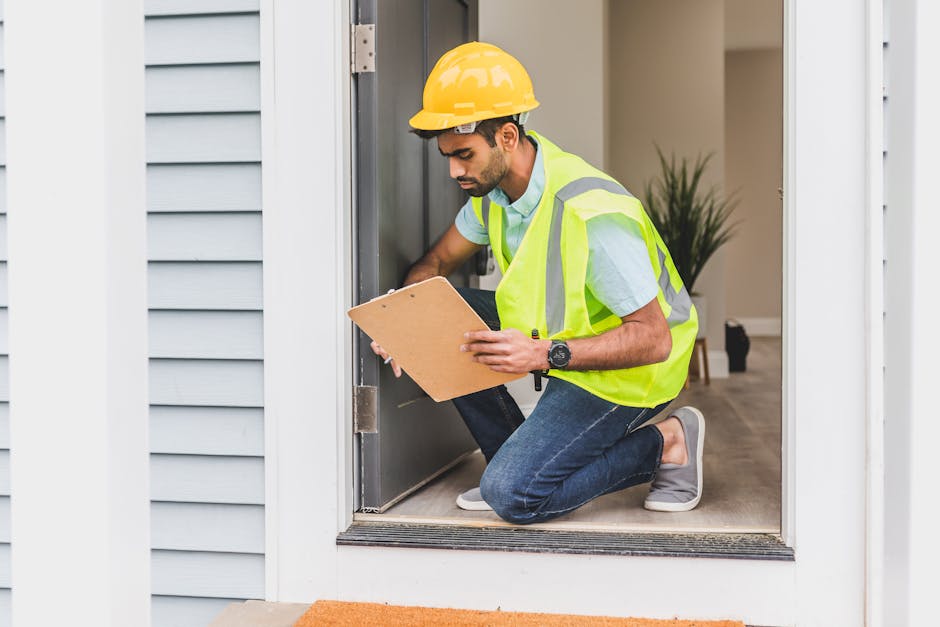
A thorough inspection goes well beyond a quick look at the panel. A qualified electrician evaluates the full system to find anything that poses a risk or falls short of current requirements.
A standard inspection typically covers:
- Wiring condition and connection quality throughout the building
- Function of outlets, switches, and circuit breakers
- Grounding the integrity and performance of protective devices
- Any areas where the system no longer meets current safety codes
The result is a clear picture of where things stand, so repairs can be prioritized by actual risk rather than guesswork.
Habits That Keep You Ahead of Problems
Staying compliant does not require constant effort, but it does require consistency. A few reliable habits make a meaningful difference over time.
How Often You Should Be Checking
Annual inspections are the most dependable way to catch issues early, especially in older buildings or spaces where electrical equipment runs continuously. Portable appliances and protective devices may need more frequent checks depending on how heavily they are used.
Warning Signs Worth Taking Seriously
- Flickering lights or frequently tripping breakers point to underlying issues that need professional attention soon.
- Burning smells near outlets or panels are never normal and should prompt an immediate call to a licensed electrician.
- Any new installation or system modification should be reviewed by a professional to confirm it meets current standards.
- Keeping records of inspection dates and completed repairs makes it easier to stay on schedule and demonstrate compliance when required.
Why Upgrades Pay Off Long Term
Replacing outdated wiring or panels is rarely the first thing anyone wants to budget for, but targeted upgrades almost always cost less than repairing damage from a system failure. Modern materials and protective devices perform significantly better than older components, making upgrades a practical investment rather than an optional one.
Compliance Protects More Than Just the Building
Electrical safety compliance exists because failures are serious, predictable, and largely preventable with consistent attention. Treating it as an ongoing priority rather than a one-time obligation keeps people safer and systems more reliable. Electrical safety compliance isn't a one-time box to check. The systems that protect your home or building most reliably are the ones that get consistent attention—and the problems that never become emergencies are the ones someone caught early enough to fix.
Mister Sparky Fort Wayne
City: Fort Wayne
Address: 3404 Metro Park Drive North
Website: https://www.mistersparky.com/fort-wayne/


Comments
Post a Comment