How to Plan a Backyard Makeover? Bakersfield Hardscaping Company Explains
Key Takeaways
- Early planning prevents costly mistakes and change orders that can push outdoor kitchen projects 25-50% over budget
- Layout design should prioritize function over appliances, focusing on traffic flow and work zones before selecting equipment
- Utility access for gas, electrical, and water must be planned early as these requirements can significantly impact the final kitchen layout
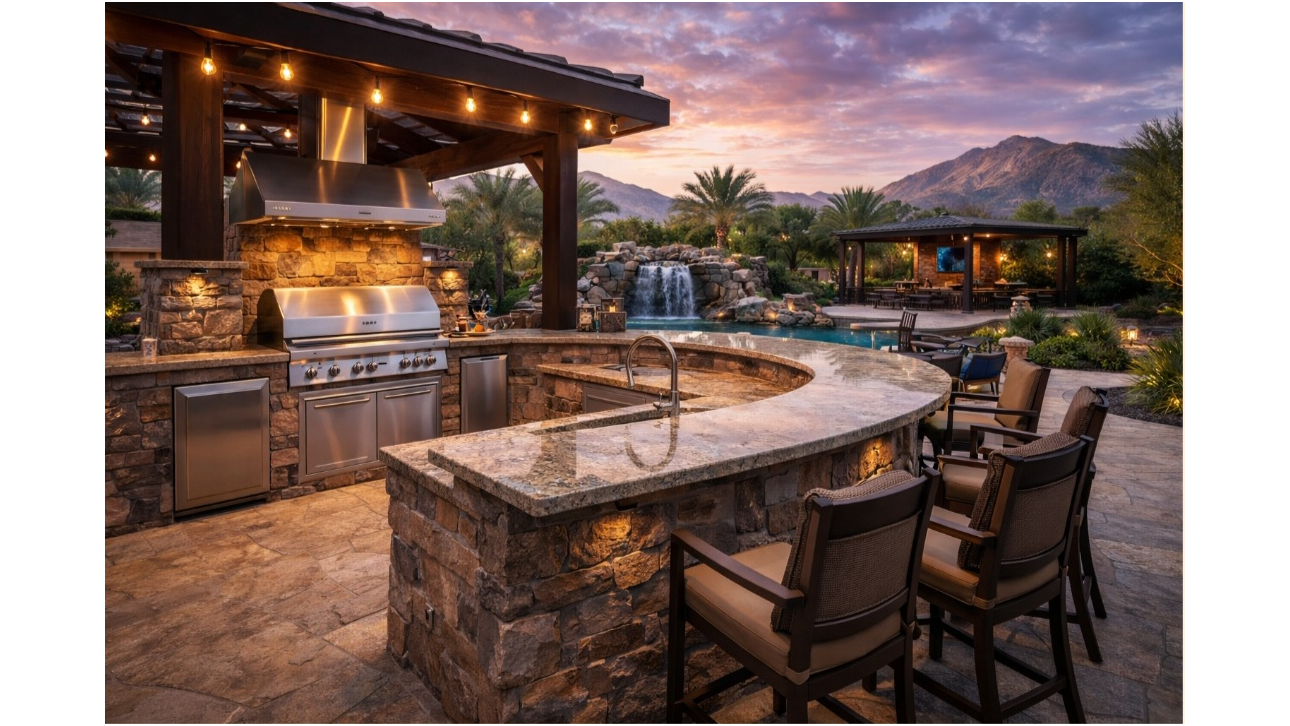
- Bakersfield's extreme heat demands specific material choices like granite and engineered concrete for countertops that can withstand UV exposure and temperature swings
- Thorough planning connects outdoor kitchens to the broader patio design, creating cohesive outdoor living spaces rather than isolated cooking zones
A backyard makeover represents one of the most significant investments homeowners make in their outdoor living space. However, the difference between a successful transformation and a costly disappointment often comes down to one critical factor: planning. When done right, proper planning creates outdoor kitchens that improve daily life and entertaining while staying within budget and timeline expectations.
Early Planning Saves Money and Prevents Common Mistakes
The most expensive outdoor kitchen mistakes happen before construction even begins. Homeowners who jump into appliance selection or material choices without a detailed plan often face change orders, utility relocations, and layout modifications that can increase project costs by 25-50%. These issues compound when basic design flaws become apparent only after installation starts.
Smart planning addresses potential problems during the design phase when solutions cost significantly less. For example, identifying drainage needs early prevents expensive concrete removal later. Similarly, planning utility runs before hardscape installation avoids costly trenching through completed work. Dugybear Hardscaping Services emphasizes thorough planning as the foundation for successful outdoor kitchen projects, helping Bakersfield homeowners avoid these common pitfalls through systematic design processes.
The financial benefits extend beyond avoiding mistakes. Early planning allows homeowners to prioritize features based on actual use patterns and budget constraints. This prevents the all-too-common scenario where essential elements get cut from the budget to accommodate expensive appliances that seemed important during initial excitement but provide limited real-world value.
Start with Layout, Not Appliances
Most homeowners begin outdoor kitchen planning by browsing grills and appliances. This approach frequently leads to awkward layouts that look impressive in photos but feel cramped or inefficient during actual use. The grill represents just one component of a functional outdoor kitchen system that must accommodate cooking, food preparation, serving, and guest interaction.
1. Define How You'll Use the Space
Successful outdoor kitchen design starts with honest assessment of how the space will actually be used. Some families need compact cooking zones for casual weeknight dinners, while others require extensive prep areas and guest seating for regular entertaining. These different use patterns demand completely different layout approaches. Consider whether the kitchen will primarily serve quick grilling sessions or elaborate dinner parties, as this determines everything from counter space requirements to traffic flow patterns.
2. Plan Traffic Flow and Work Zones
Professional kitchen design principles apply equally to outdoor spaces. The classic work triangle connecting refrigeration, preparation, and cooking zones creates efficient workflows that reduce unnecessary movement during food preparation. However, outdoor kitchens add complexity through guest interaction and serving requirements. The layout must accommodate hosts moving between cooking and socializing while keeping guests out of active work areas.
Effective traffic planning also considers how people move between the kitchen and indoor spaces. High-traffic pathways should avoid cutting through cooking zones, and serving areas need clear access to both preparation spaces and guest seating. These circulation patterns become even more critical during gatherings when multiple people may need simultaneous kitchen access.
3. Consider Integration with Existing Patio
Outdoor kitchens work best when they feel like natural extensions of existing outdoor living spaces rather than isolated cooking islands. This integration involves both physical connection through materials and design elements, and functional connection through sight lines and accessibility. The kitchen should improve the overall patio experience rather than dominating or competing with other outdoor features.
Material continuity between the kitchen and surrounding hardscape creates visual cohesion that makes the entire space feel intentionally designed. Similarly, the kitchen's scale and positioning should complement existing features like fire pits, seating areas, or landscape elements rather than overwhelming them.
Utility Planning Must Come Early
Utility requirements often represent the most inflexible aspect of outdoor kitchen design. Unlike appliances or finishes that can be adjusted during planning, utility infrastructure demands specific routing, access points, and safety considerations that directly impact layout options. Addressing these requirements early provides maximum design flexibility and prevents costly modifications later.
Gas and Electrical Access Impacts Layout
Natural gas lines require specific routing from the main supply to appliance locations, and these paths often determine kitchen positioning more than aesthetic preferences. Similarly, electrical requirements for lighting, refrigeration, and specialty appliances need adequate amperage and proper protection for outdoor use. Code compliance for both systems involves specific clearances and installation methods that can limit design options if not considered during initial planning.
The distance from existing utility sources also impacts project costs significantly. Kitchens positioned close to current gas and electrical service points cost substantially less to connect than those requiring extensive utility runs across large properties. This cost difference often influences overall kitchen positioning and size decisions.
Water and Drainage Requirements
Outdoor sinks require both supply and drainage connections, with drainage often presenting the greater challenge. Proper slope, pipe sizing, and connection to existing systems require careful planning that affects surrounding hardscape work. Additionally, cleanup areas need adequate drainage to prevent standing water issues that can damage materials and create safety hazards.
Bakersfield's clay soil conditions can complicate drainage requirements, as poor percolation may necessitate more extensive drainage solutions than initially anticipated. Early soil analysis and drainage planning prevent surprises during construction and ensure long-term functionality.
Material Choices for Bakersfield's Climate
Bakersfield's extreme summer heat and intense UV exposure demand material selections that prioritize performance over appearance alone. Surfaces that look attractive in showrooms or moderate climates may fail prematurely when subjected to daily temperature swings exceeding 100°F and constant sun exposure. Smart material planning considers both initial appearance and long-term durability under local conditions.
Heat-Resistant Surfaces for Countertops
Granite provides excellent performance for outdoor kitchen countertops in hot climates due to its natural heat resistance and UV stability. Quality granite installations can withstand direct sun exposure and extreme temperatures without fading, cracking, or surface degradation, though periodic sealing maintains stain resistance and appearance. Engineered quartz products specifically rated for outdoor use also perform well, though not all quartz formulations handle UV exposure effectively.
Stainless steel provides excellent heat resistance and easy maintenance, though it requires regular cleaning to maintain appearance in dusty conditions. Concrete countertops offer design flexibility and can be engineered with fiber reinforcement for improved crack resistance, though they require proper sealing for stain protection and UV resistance.
Engineered Hardscaping Systems
Traditional concrete and stone materials may not provide adequate performance in Bakersfield's challenging climate without proper engineering and installation techniques. Engineered hardscaping systems incorporate fiber reinforcement, proper base preparation, and advanced sealing technologies that improve long-term durability and appearance retention.
These systems also offer superior design flexibility for creating custom shapes and patterns while maintaining structural integrity. The additional upfront investment in engineered materials typically pays for itself through reduced maintenance requirements and longer replacement cycles.
Shade and UV Protection Considerations
Even the most durable materials benefit from shade protection during peak sun hours. Pergolas, shade sails, or architectural overhangs extend material life while making the kitchen more comfortable for actual use. These shade structures should be planned during initial design phases to ensure proper integration with utility runs and structural requirements.
UV protection becomes especially important for any wood elements, fabric components, or painted surfaces that may be incorporated into the overall design. Planning shade coverage early allows for better integration and more effective protection strategies.
Cost Control Through Smart Planning
Outdoor kitchen costs can vary dramatically based on planning decisions that seem minor during initial design phases but create major expense differences during construction. Understanding these cost drivers allows homeowners to make informed decisions about where to invest their budget for maximum impact and long-term satisfaction.
Bakersfield Outdoor Kitchen Cost Ranges: $15K-$100K+ Based on Layout and Finishes
Basic outdoor kitchens in Bakersfield typically start around $15,000 to $25,000 for simple layouts with essential appliances and standard finishes. These projects usually include a grill, basic countertop space, and minimal storage without extensive utility work or premium materials. While functional, they often lack the integration and finish quality that creates truly exceptional outdoor living experiences.
Mid-range projects falling between $25,000 to $50,000 incorporate better materials, expanded storage, proper lighting, and stronger patio integration. These kitchens typically include multiple appliances, quality countertop materials, and utility infrastructure that supports more complex cooking and entertaining activities.
Premium outdoor kitchens exceeding $50,000 to $100,000+ feature extensive layouts, luxury finishes, complete utility integration, and seamless connection to broader outdoor living spaces. These projects often include multiple cooking zones, extensive storage, premium appliances, and custom hardscape work that transforms the entire backyard experience.
What Drives Costs Higher
The most significant cost drivers typically involve structural and utility work rather than appliance selection alone. Extensive utility runs, complex drainage requirements, and custom hardscape integration can easily double project costs compared to basic installations. Similarly, premium countertop materials and custom storage solutions add substantial expense but also significantly improve functionality and appearance.
Site preparation costs vary dramatically based on existing conditions. Properties with challenging access, poor drainage, or extensive utility conflicts require additional work that may not be apparent during initial planning. Early site evaluation helps identify these potential issues before they impact project budgets and timelines.
Scope creep during construction represents another major cost driver. Projects that begin with clear, detailed plans typically stay closer to original budgets than those with undefined parameters that evolve during construction. This reinforces the importance of thorough planning before beginning any work.
Dugybear's Planning Approach Creates Better Outdoor Living Spaces
Successful outdoor kitchen projects require coordination between multiple trades, careful attention to local climate conditions, and deep understanding of how different design elements work together to create cohesive outdoor living environments. This complexity makes detailed planning necessary for achieving results that truly improve daily life and long-term property value.
The most successful projects treat outdoor kitchens as integral components of broader outdoor living strategies rather than isolated cooking zones. This approach considers how the kitchen connects to existing patio spaces, supports entertaining goals, and integrates with landscape features to create unified outdoor environments that feel naturally planned rather than assembled piecemeal.
Professional planning also addresses the technical challenges that can derail projects or create long-term maintenance issues. Proper drainage design, appropriate material selection for local conditions, and code-compliant utility installation require specialized knowledge that prevents costly problems from developing after project completion.
Visit Dugybear Hardscaping Services to learn about outdoor kitchen planning and hardscaping solutions designed specifically for Bakersfield's unique climate and lifestyle needs.
Dugybear Hardscaping Services
City: Shafter
Address: 108 W Orange Ave
Website: https://dugybear.com


Comments
Post a Comment