How To Get Rid Of Unwanted Items In Your Home: Bakersfield, CA Experts Explain
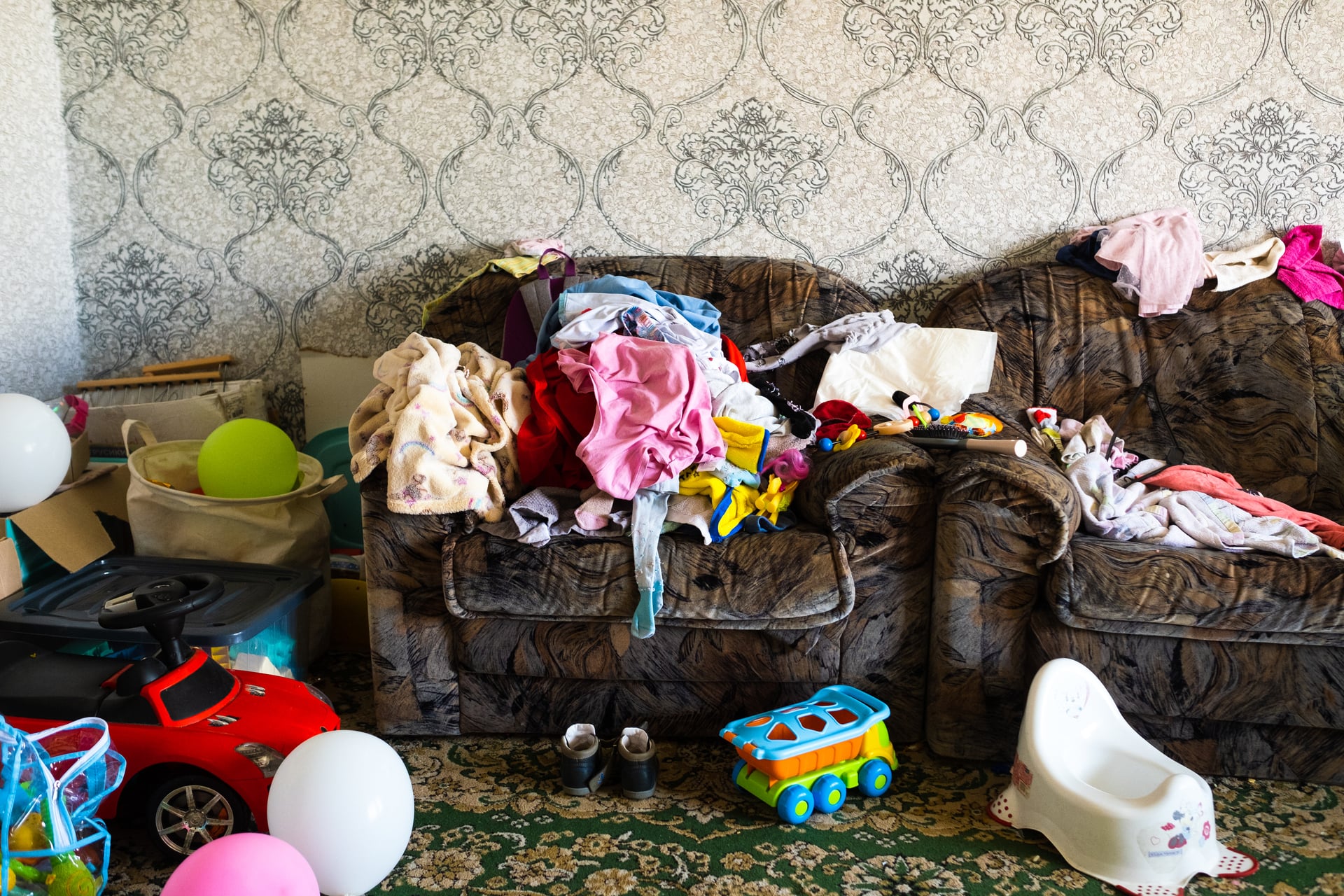
Spring cleaning brings both excitement and anxiety. The promise of a fresh, organized home motivates homeowners to tackle cluttered closets and overstuffed garages, but the sheer volume of accumulated items can feel overwhelming. Where does that old exercise bike go? What about boxes of electronics gathering dust? The key lies in having a clear disposal strategy before diving into the decluttering process.
Spring Cleaning Success Starts With Smart Disposal Planning
Effective spring cleaning begins long before touching a single item. Research shows that decluttering reduces stress hormones like cortisol while boosting productivity. While some studies suggest that disorderly environments can promote creativity and fresh ideas, most homeowners benefit from organized spaces. However, these benefits only materialize when homeowners approach the task systematically rather than randomly tossing belongings into garbage bags.
Start by identifying local disposal options before beginning any sorting. For example, the City of Bakersfield offers a Curbside Bulky Item Pickup Program, allowing residents to schedule pickup of up to two large items like furniture, appliances, mattresses, and electronics once every three months without extra charge. Kern County Public Works also organizes 'Bulky Waste Collection Events' typically twice a year, providing additional opportunities for responsible disposal of large household items.
Many professional services now offer eco-friendly junk removal, handling everything from furniture to appliances while prioritizing recycling and donation over landfill disposal. Having these resources mapped out beforehand prevents the common mistake of letting sorted items pile up again because homeowners don't know where to take them.
The Three-Box Method: Your Foundation for Organized Decluttering
Junk King Bakersfield recommends the three-box method, which eliminates decision paralysis by forcing quick, decisive choices about each item. This approach works because it reduces the overwhelming nature of spring cleaning into manageable micro-decisions. Set up three clearly labeled boxes or areas before starting any room.
1. Keep Box: Items That Earn Their Space
Items in the keep box should meet specific criteria: regular use within the past year, good working condition, and genuine value to daily life. Marie Kondo's "spark joy" concept applies here, but practical functionality matters more than emotional attachment. A coffee maker used weekly earns its space; a bread machine gathering dust for two years does not.
Be honest about the frequency of use. That fondue set might hold memories, but if it hasn't been used since the last decade, it's taking up valuable storage space. Apply the "one in, one out" rule moving forward—when something new enters the home, something old should leave to prevent future accumulation.
2. Donate Box: Good Condition Items for Local Impact
Quality items in good working condition deserve a second life through donation rather than disposal. This category includes furniture without damage, clothing that fits well, books in readable condition, and household items that simply no longer match current needs. The donation box serves dual purposes: reducing landfill waste while supporting local community organizations.
However, damaged items don't belong in donation boxes. Torn clothing, broken electronics, and furniture with structural problems create additional work for charitable organizations. When in doubt about an item's condition, err on the side of proper disposal rather than passing along the decision to volunteers.
3. Toss Box: Responsible Disposal of End-of-Life Items
The toss box handles items beyond repair or donation. This includes broken electronics, expired medications, worn-out clothing, and damaged furniture. However, "tossing" doesn't mean throwing everything in the garbage. Many items in this category require specialized disposal methods for environmental safety.
Separate hazardous materials like batteries, paint, and chemicals from regular trash items. Electronics need specific recycling centers to prevent harmful materials from entering landfills. Even worn-out clothing can often be recycled through textile programs at retailers like H&M, keeping fabric waste out of regular garbage streams.
Local Donation Options That Make a Real Difference
Most areas offer numerous donation opportunities that extend item lifecycles while supporting community needs. Understanding each organization's specific requirements and pickup policies streamlines the donation process and ensures items reach appropriate recipients.
Habitat for Humanity ReStores Accept Building Materials and Furniture
Habitat for Humanity ReStores accept donations of new and gently used furniture, appliances, home accessories, and building materials, with proceeds supporting community housing initiatives. These stores particularly value larger furniture pieces, working appliances, and home improvement materials that homeowners often struggle to dispose of through other channels.
ReStores can handle items that traditional thrift stores might reject due to size constraints. Dining room sets, couches in good condition, washers and dryers, and even building materials from home renovation projects find new homes through these specialized outlets. Many locations offer pickup services for larger items, eliminating transportation challenges for donors.
The Salvation Army Guidelines for Quality Donations
The Salvation Army accepts donations of gently used clothing, furniture, and household goods, but emphasizes that items must be in good condition due to limited repair resources. Their guidelines help donors understand what qualifies as acceptable donations versus items that create additional work for processing centers.
Clothing should be clean and free of stains, tears, or excessive wear. Furniture must be structurally sound without broken legs, missing hardware, or significant damage. Household items should function properly—blenders that don't blend and toasters that don't toast create processing challenges rather than helping the organization's mission.
Specialized Donations: Electronics, Clothing, and Books
Different item categories often have specialized donation channels that maximize their impact. Local libraries frequently accept book donations in good condition, particularly popular fiction and recent non-fiction titles. Schools and community centers may welcome educational materials, art supplies, and children's books.
Professional clothing finds valuable homes through programs like Dress for Success, which helps individuals entering the workforce. Electronics in working condition, especially laptops and tablets, support educational programs and digital literacy initiatives. Research these specialized programs before defaulting to general thrift stores.
Selling Your Valuables: Platforms That Actually Work
High-value items deserve the selling route rather than donation, particularly when dealing with quality furniture, collectibles, or working electronics. However, successful selling requires realistic pricing and platform selection based on item characteristics.
Facebook Marketplace for Local Furniture and Appliances
Facebook Marketplace excels for large items like furniture and appliances because buyers can inspect items before purchasing and arrange their own pickup. This eliminates shipping complexities while connecting sellers with local buyers who actually need these items. Post clear photos from multiple angles and include honest descriptions of any wear or minor damage.
Timing matters for furniture sales. Spring and early summer see higher demand as people move and refresh their homes. Price competitively by researching similar items already listed, and be prepared to negotiate. Quick sales often matter more than maximum profit when the goal is decluttering rather than income generation.
eBay for Collectibles and Specialty Items
eBay works best for smaller, specialty items with broader appeal beyond the local market. Vintage items, collectibles, brand-name electronics, and unique household goods often find better prices through eBay's broader audience. However, factor in shipping costs and platform fees when setting prices.
Research completed sales rather than active listings to understand realistic market values. Items that seem valuable might have limited actual demand, while unexpected items sometimes command surprising prices. Consider auction-style listings for items with uncertain value, allowing market forces to determine fair prices.
Recycling and Proper Disposal: What Goes Where
Responsible disposal requires understanding different waste streams and their appropriate channels. Mixing recyclables with regular trash or putting hazardous materials in standard recycling creates environmental problems and processing difficulties for waste management systems.
Standard Recyclables: Paper, Plastic, and Metal Guidelines
Standard household recyclables include paper, cardboard, plastic bottles and jugs, glass bottles and jars, and metal cans, which can be processed through curbside programs or designated drop-off centers. However, contamination ruins entire recycling loads, making proper preparation vital for effective recycling.
Clean containers before recycling—food residue contaminates entire batches of recyclable materials. Remove plastic caps from bottles and flatten cardboard boxes to save space. Avoid "wishful recycling" where questionable items get tossed into recycling bins hoping they'll be sorted appropriately. When in doubt, research local guidelines or choose regular trash over contaminating recycling streams.
E-Waste Recycling Programs and Drop-Off Centers
Electronics contain valuable materials like gold, silver, and rare earth elements, but also hazardous substances requiring specialized handling. Most municipalities offer e-waste recycling programs, and many retailers provide take-back programs for electronics and batteries.
Staples, Walmart, Amazon, and Apple offer trade-in or recycling programs for various electronics, sometimes providing monetary incentives for newer items. Manufacturers often accept their own products for proper recycling, even when no longer functional. Check manufacturer websites for specific programs before defaulting to municipal e-waste centers.
Hazardous Materials: Batteries, Chemicals, and Paint Disposal
Hazardous materials such as batteries, chemicals, and certain electronics require special handling and designated drop-off points to prevent environmental contamination. These materials can leach toxic substances into groundwater or release harmful fumes when improperly disposed of in regular trash.
Many police departments, hospitals, and pharmacies provide medication disposal locations for expired prescriptions. Paint and chemical disposal often occurs during special collection events organized by local authorities. Car batteries and household batteries have separate recycling streams—automotive stores often accept car batteries, while electronics retailers handle household battery recycling.
When Professional Junk Removal Makes Sense for Your Spring Clean
Professional junk removal services become valuable when dealing with large volumes of mixed items, heavy furniture, large bulky items, or physically challenging disposal situations. The cost often justifies itself through time savings, proper disposal methods, and elimination of multiple trips to various donation and disposal facilities. All the time and energy it takes to drop off donation items, to list and sell items online, to coordinate with local buyers... all of that adds up so many people prefer to save time, energy and mental space by hiring a professional junk removal company.
Consider professional junk removal services, especially when you need full garage cleanouts, house or estate cleanouts, or renovation construction debris disposal. These situations typically involve items requiring different disposal methods, some donations, some recycling, creating logistical complexity that professionals handle routinely.
Professional junk removal services also provide labor for heavy items that risk injury during DIY removal. Hot tubs, large appliances, and furniture in upper floors present physical challenges beyond most homeowners' capabilities. Professional teams have proper equipment, vehicles, and disposal relationships to handle these situations safely and efficiently.
Quality junk removal companies prioritize recycling and donation over landfill disposal, often achieving higher diversion rates than homeowners attempting DIY disposal. They understand which materials different facilities accept and maintain relationships with donation centers, recycling facilities, and specialized disposal operations.
Junk King Bakersfield
City: Bakersfield
Address: 3624 Buck Owens Blvd
Website: https://www.junk-king.com/locations/bakersfield
Phone: +1-661-463-0423


Comments
Post a Comment