How To Fight A DWI Blood Test In Texas: DWI Defense Attorneys Explain
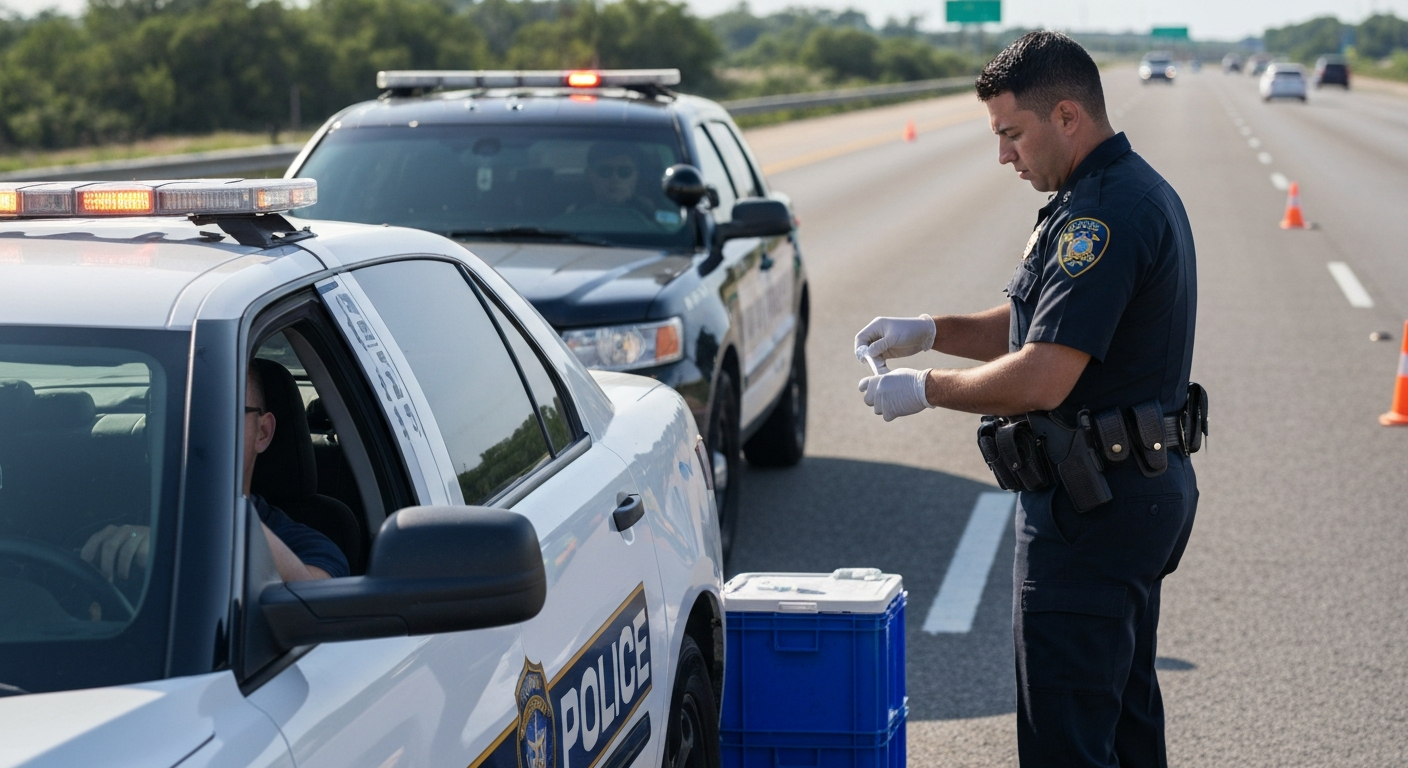
Key Takeaways
- DWI blood tests in Texas require either driver consent or a valid warrant, with police obtaining electronic warrants quickly after refusal.
- Refusing a blood test triggers automatic license suspension penalties under implied consent laws, but refusal doesn't prevent police from obtaining a warrant.
- Blood test results can be challenged in court due to handling errors, lab backlogs, timing issues, and constitutional violations.
- Texas drivers have the right to request independent testing and expert testimony to contest blood evidence.
- Legal representation can identify multiple defense strategies to challenge blood test validity and admissibility.
When facing a DWI arrest in Texas, understanding blood tests becomes vital for protecting your rights and building an effective defense. These chemical tests carry significant legal weight, but they're not infallible evidence that automatically guarantees conviction.
DWI Blood Tests in Texas: Accuracy and Legal Implications
DWI blood tests are chemical analyses used by Texas law enforcement to determine blood alcohol concentration (BAC) and detect the presence of controlled substances. Unlike breath tests that estimate alcohol levels, blood tests directly measure the amount of alcohol or drugs in the bloodstream at the time of collection.
Blood tests generally produce more accurate results than breath or urine tests because they analyze actual blood content rather than estimating through indirect methods. However, this increased accuracy comes with greater invasiveness, requiring a qualified medical professional to draw blood using sterile procedures.
The legal implications of blood test results extend beyond simple BAC measurements. Texas prosecutors use these results to establish intoxication levels in serious cases, including those involving injury or death. Courts treat blood evidence with considerable weight, making it necessary for drivers to understand both the testing process and potential defense strategies.
When Police Can Legally Require Blood Tests
Texas law enforcement cannot arbitrarily demand blood samples during traffic stops. Specific legal requirements must be met before officers can proceed with blood testing procedures.
1. Probable Cause Requirements
Officers must establish probable cause that a driver was operating a vehicle while intoxicated before requesting any chemical test. Probable cause indicators include:
- slurred speech,
- bloodshot eyes,
- alcohol odor,
- failed field sobriety tests,
- or erratic driving patterns.
Without probable cause, any subsequent blood test results may be inadmissible in court.
The probable cause standard requires more than mere suspicion. Officers must point to specific, observable facts that would lead a reasonable person to believe the driver was intoxicated. Vague statements about "suspicious behavior" typically don't meet this legal threshold.
2. Warrant vs. Consent Scenarios
The U.S. Supreme Court's decision in Missouri v. McNeely (2013) established that officers generally need a warrant for blood draws, even in DWI cases. The natural dissipation of alcohol in the bloodstream alone doesn't create "exigent circumstances" that bypass warrant requirements.
Texas courts reinforced this principle in State v. Villarreal, clarifying that implied consent laws don't override constitutional warrant requirements when drivers refuse testing. Many Texas counties now use electronic warrant systems, allowing officers to obtain judicial approval quickly, even during nighttime hours.
3. Mandatory Blood Draw Situations Under Texas Code § 724.012 (Warrant Still Generally Required)
Texas Transportation Code § 724.012 identifies specific circumstances where officers may pursue mandatory blood draws, including:
- accidents involving death or serious bodily injury,
- cases with child passengers under 15,
- or suspects with prior DWI convictions.
However, these situations don't eliminate warrant requirements—they simply provide stronger justification for obtaining warrants.
Even in mandatory scenarios, officers must follow proper legal procedures. Courts scrutinize these cases carefully, ensuring that the specific statutory requirements are met and that constitutional protections remain intact.
The Consequences of Refusing a Blood Test
Refusing a DWI blood test in Texas triggers immediate administrative consequences separate from any criminal charges that may follow.
Administrative Penalties Under Implied Consent
Texas's implied consent law means that by obtaining a driver's license and operating a vehicle on public roads, drivers automatically agree to submit to chemical testing when lawfully arrested for DWI. Refusal to provide a blood or breath sample results in automatic license suspension: 180 days for first-time refusals and two years for subsequent refusals.
These administrative penalties occur regardless of whether criminal DWI charges result in conviction. The Texas Department of Public Safety processes license suspensions independently from criminal court proceedings, creating separate legal consequences that drivers must address.
How Officers Obtain Electronic Warrants After Refusal
When drivers refuse blood tests, officers don't simply abandon their investigation. Instead, they typically contact magistrate judges through electronic warrant systems to request court authorization for involuntary blood draws. Many Texas counties maintain 24-hour warrant systems with judges available to review requests promptly.
Electronic warrant procedures have streamlined the process significantly. Officers can prepare warrant applications on mobile devices, submit them electronically, and receive judicial approval within minutes or hours. This efficiency means that refusal often only delays—rather than prevents—blood collection.
Why Blood Test Results Can Be Unreliable
Despite their reputation for accuracy, DWI blood tests are subject to various factors that can compromise reliability and create opportunities for legal challenges.
Sample Handling and Chain of Custody Issues
Blood samples require careful handling from collection through laboratory analysis to maintain integrity. Chain of custody documentation must track every person who handled the sample, when transfers occurred, and how the sample was stored. Breaks in this chain can raise questions about sample contamination or tampering.
Common handling problems include mislabeling samples, using improper collection tubes, failing to refrigerate samples properly, or inadequate documentation during transport. Each of these issues can affect test results and provide grounds for challenging evidence admissibility.
Laboratory Backlogs and Storage Problems
Forensic crime labs nationwide, including those in Texas, face growing backlogs that can delay toxicology testing for months. Extended storage periods increase the risk of sample degradation, fermentation, or contamination. Blood samples that sit untested for long periods may not accurately reflect the driver's condition at the time of arrest.
Laboratory capacity constraints also pressure technicians to process samples quickly, potentially leading to procedural shortcuts or analytical errors. These systemic issues create additional opportunities for defense challenges to test reliability.
Timing and Retrograde Extrapolation Challenges
Blood tests only show alcohol concentration at the time of collection, not while the person was driving. If testing occurs hours after arrest, prosecutors may use retrograde extrapolation to estimate earlier BAC levels. This mathematical modeling process involves multiple assumptions about absorption rates, elimination rates, and drinking patterns.
Texas courts require strong, case-specific evidence before accepting retrograde extrapolation testimony. Factors like food consumption, body weight, medical conditions, and drinking timeline all affect accuracy. Defense attorneys can challenge these calculations by questioning underlying assumptions and highlighting variables that prosecutors may have overlooked.
Legal Strategies to Challenge Blood Test Evidence
Experienced DWI defense attorneys employ multiple strategies to challenge blood test evidence, ranging from constitutional violations to technical procedural errors.
Constitutional Violations and Invalid Warrants
Courts will suppress blood test evidence when it's obtained through constitutional violations. Common challenges include warrants lacking probable cause, searches conducted without proper authorization, or violations of Fourth Amendment protections against unreasonable searches.
Defense attorneys scrutinize warrant applications for accuracy and completeness, examining whether officers provided sufficient facts to establish probable cause. Warrants based on conclusory statements or lacking specific details about the investigation may be declared invalid.
Texas Code of Criminal Procedure Article 38.35 Requirements
Texas Code of Criminal Procedure Article 38.35 establishes strict requirements for forensic analysis admissibility. Blood alcohol analysis is inadmissible if the testing laboratory wasn't accredited by the Texas Forensic Science Commission when the analysis was performed.
This requirement ensures that only qualified laboratories with proper oversight conduct forensic testing. Defense attorneys verify laboratory accreditation status and examine whether testing procedures met established standards. Violations of these requirements can result in complete exclusion of blood evidence.
Independent Testing and Expert Testimony Options
Texas law grants DWI suspects the right to request independent blood samples for separate analysis by physicians of their choice. This provides an opportunity to verify or contradict official test results through independent scientific analysis.
Defense teams can also retain forensic experts to examine testing procedures, identify potential sources of error, and testify about factors that may have affected results. Expert testimony can help juries understand complex scientific concepts and recognize limitations in blood test evidence.
Consult Earlier: Legal Advocacy Can Change Outcomes
The complexity of DWI blood test cases demonstrates why early legal intervention is vital for protecting rights and building effective defenses. Blood evidence challenges require detailed knowledge of constitutional law, forensic science, and Texas-specific procedural requirements.
Successful defense strategies often depend on prompt investigation of testing procedures, preservation of evidence, and identification of potential constitutional violations. Waiting to seek legal representation can result in lost opportunities to challenge evidence or protect important rights during the legal process.
Texas Criminal Defense Group
City: Lubbock
Address: 1001 Texas Ave.
Website: https://texascriminaldefensegroup.com/


Comments
Post a Comment