How Stress Impacts Brain Chemistry & Mood: Cortisol Shrinks Hippocampus
Key Takeaways
- Chronic stress releases cortisol that physically shrinks the hippocampus (memory centre) and enlarges the amygdala (fear centre), causing anxiety and brain fog
- Prolonged stress depletes essential mood chemicals like serotonin and dopamine, leading to irritability and loss of motivation
- Simple 5-minute reset techniques can rapidly restore brain chemistry balance, even during demanding shift work
- Evidence-based interventions like 4-7-8 breathing and progressive muscle relaxation help activate the parasympathetic nervous system and manage stress responses
- Recovery strategies are particularly crucial for high-stress shift workers in Auckland's healthcare and trades industries
For shift workers juggling 12-hour rotations, understanding how stress literally rewires the brain can be the difference between burnout and resilience. The science reveals why that familiar combination of anxiety, irritability, and mental fog isn't just "part of the job" - it's a predictable response to chronic cortisol exposure that can be effectively managed with targeted interventions.
Chronic Stress Physically Rewires Your Brain
Stress doesn't just feel overwhelming - it creates measurable changes in brain structure. Neuroimaging studies consistently demonstrate that prolonged exposure to high-stress environments physically alters key brain regions. The hippocampus, responsible for memory formation and emotional regulation, shows reduced volume under sustained cortisol exposure. Meanwhile, the amygdala - the brain's alarm system - becomes enlarged and hyperactive.
These structural changes explain why experienced nurses might struggle to recall patient details during particularly demanding shifts, or why skilled tradespeople find themselves fixating on worst-case scenarios during routine jobs. The brain is literally adapting to perceived threats by prioritising immediate survival responses over complex reasoning.
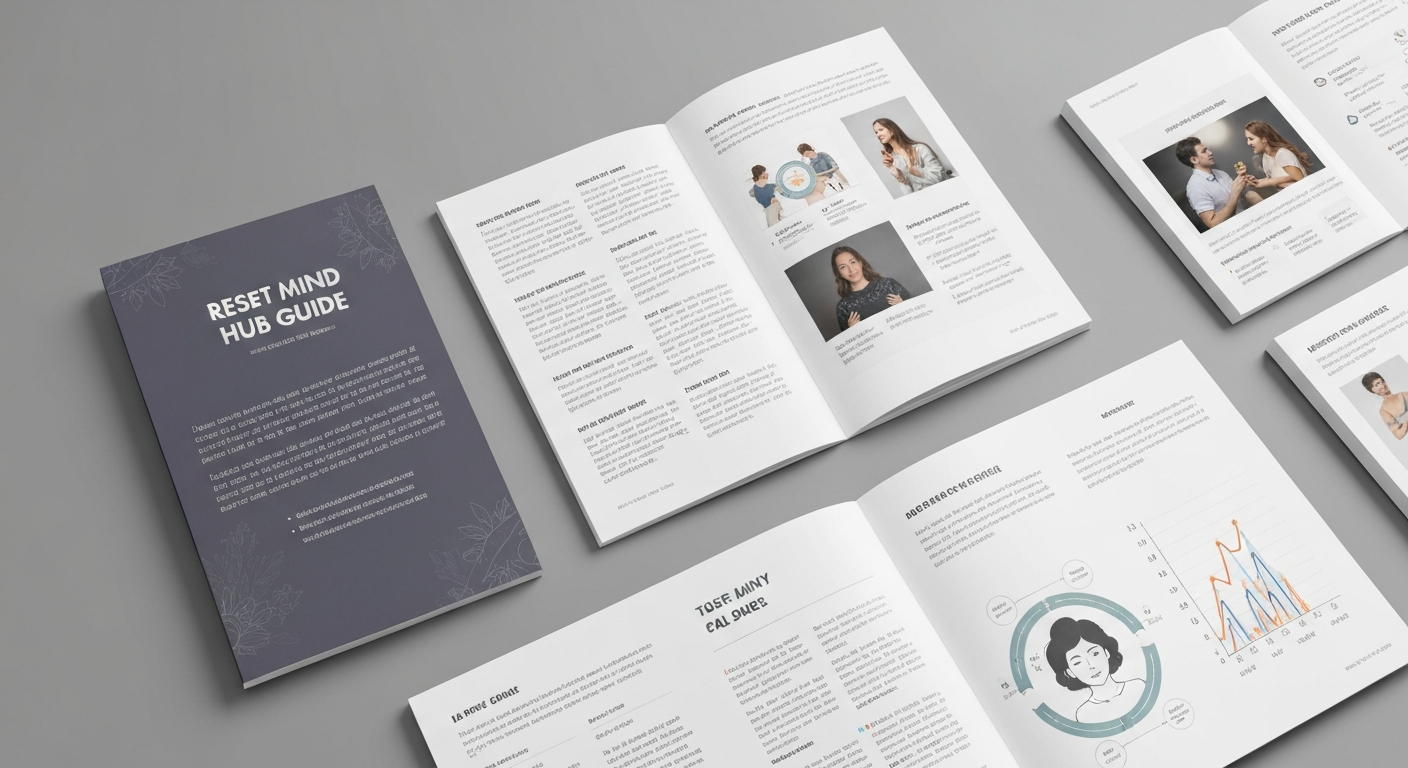
Research indicates that these cortisol-induced changes are at least partially reversible once stress levels decrease. Reset Mind Hub offers a detailed guide with practical strategies designed specifically for managing these effects during high-pressure work situations at https://resetmindhub.com/free-mind-reset-guide/.
Cortisol Floods and Hijacks the HPA Axis
The hypothalamic-pituitary-adrenal (HPA) axis serves as the body's primary stress response system. Under normal circumstances, cortisol levels rise briefly to handle challenges, then return to baseline. However, chronic stress keeps this system in constant activation, flooding the brain with neurotoxic levels of cortisol that disrupt normal neural signalling and suppress the growth of new neurons.
Memory Centre Shrinks Under Pressure
Prolonged cortisol exposure proves particularly damaging to the hippocampus, where memories form and emotional experiences get processed. Studies show that individuals experiencing chronic stress - including those with depression, PTSD, and anxiety disorders - display measurably smaller hippocampal volumes. The degree of shrinkage often correlates directly with both the duration and severity of stress exposure.
This explains why shift workers frequently report difficulty concentrating during long rotations or struggle to remember important details when exhausted. The hippocampus simply cannot function optimally under sustained cortisol assault. Fortunately, research demonstrates that once cortisol levels normalise, hippocampal volume can recover - emphasising the importance of effective stress management strategies.
Fear Response Centre Goes into Overdrive
While stress shrinks the hippocampus, it has the opposite effect on the amygdala. Chronic stress enlarges this fear-processing centre and increases its reactivity, creating what psychologist Daniel Goleman termed "amygdala hijack" - emotional overreactions where the amygdala overrides rational thought processes, triggering fight-or-flight responses to minor triggers.
For healthcare workers and tradespeople, this manifests as heightened irritability, increased sensitivity to criticism, and disproportionate anxiety about routine workplace challenges. The enlarged amygdala creates hyper-connected neural networks that prime individuals for depression and anxiety, particularly problematic for professionals facing daily crises.
Mood Chemistry Breakdown
Chronic stress doesn't just alter brain structure - it fundamentally disrupts the delicate balance of neurotransmitters that regulate mood, motivation, and wellbeing. Understanding these chemical changes helps explain why stressed workers experience such predictable patterns of emotional decline.
Serotonin Drop: Why You Feel Irritable
Cortisol actively suppresses serotonin production, the neurotransmitter responsible for mood stability, learning capacity, and sleep regulation. When serotonin levels drop, individuals experience persistent irritability, emotional instability, and difficulty relaxing - even during off-hours. This creates a vicious cycle where poor sleep quality further elevates cortisol, perpetuating the problem.
Shift workers often report feeling "on edge" despite being physically exhausted. This reflects depleted serotonin reserves struggling to maintain emotional equilibrium against sustained cortisol elevation. Sleep disturbances become particularly problematic, as serotonin deficiency makes it nearly impossible to achieve the deep, restorative sleep needed for recovery.
Dopamine Drain: Motivation Vanishes
Chronic stress also depletes dopamine, the neurotransmitter governing pleasure, motivation, and reward processing. Low dopamine levels manifest as decreased interest in previously enjoyable activities, impaired focus, and a general sense that effort isn't worthwhile - explaining why stressed professionals often struggle with motivation despite recognising the importance of their work.
This dopamine depletion makes it increasingly difficult to find satisfaction in job completion or personal achievements. Tasks that once provided a sense of accomplishment feel meaningless, contributing to the emotional flatness characteristic of burnout. The brain's reward circuits essentially go offline, making it challenging to maintain the drive needed for sustained high-performance work.
5-Minute Resets That Restore Brain Balance
The good news is that targeted interventions can rapidly counteract stress-induced neurochemical imbalances. These evidence-based techniques work by activating the parasympathetic nervous system, reducing cortisol production, and supporting neurotransmitter restoration - all within minutes.
1. 4-7-8 Breathing for Cortisol Spikes
This breathing technique involves inhaling for 4 seconds, holding for 7 seconds, and exhaling for 8 seconds. Research shows this pattern helps regulate cortisol levels by activating the vagus nerve and lowering heart rate and blood pressure. The extended exhale phase particularly helps shift the nervous system from sympathetic (fight-or-flight) to parasympathetic (rest-and-digest) activation.
For shift workers, this technique proves invaluable during break periods or before entering high-stress situations. The breathing pattern requires no equipment and can be performed anywhere, making it ideal for hospital corridors, work trucks, or break rooms.
2. Movement Breaks for Mental Clarity
Brief physical activity - even a 2-minute brisk walk or simple mobility drill - effectively counters mental fatigue and improves concentration. Movement stimulates blood flow to the prefrontal cortex while promoting the release of brain-derived neurotrophic factor (BDNF), which supports neural growth and connectivity.
Incorporating short movement breaks during shifts helps prevent the cognitive decline that typically occurs during extended periods of mental demand. For tradespeople, this might involve a quick walk around the job site; for healthcare workers, perhaps a lap around the ward or some stretching in a quiet area.
3. Progressive Muscle Relaxation for Night Anxiety
Progressive muscle relaxation involves systematically tensing and releasing different muscle groups, starting from the toes and working upward. This technique proves particularly effective for managing the hypervigilance and physical tension that accumulate during demanding shifts. The process helps reduce overall stress and promotes general relaxation.
Night shift workers often find this technique especially helpful for transitioning between work and rest periods. By consciously releasing physical tension, the nervous system receives clear signals that the threat period has ended, facilitating the neurochemical shift needed for recovery.
4. Cold Water Face Splash for Motivation
Cold water exposure triggers the "dive response," rapidly activating the parasympathetic nervous system while stimulating dopamine release. A simple 30-second cold water face splash can provide an immediate neurochemical boost through the novelty and mild stress of temperature change.
This technique proves particularly valuable during mid-shift energy crashes when motivation wanes. The cold exposure provides an immediate neurochemical boost while the ritual itself creates a psychological reset point, helping workers refocus on tasks ahead.
5. Gratitude Notes for Connection
Writing three specific gratitudes - focusing on concrete details rather than generalities - activates reward circuits and helps improve mood. This practice also supports positive emotional states that chronic stress typically suppresses.
For isolated shift workers, gratitude practice helps counter the social disconnection that exacerbates stress-related mood problems. Focusing on specific positive interactions or achievements creates neural pathways that compete with stress-induced negativity bias.
Why Quick Interventions Work for Shift Workers
The effectiveness of brief interventions lies in their ability to interrupt stress cascades before they become entrenched. Unlike lengthy relaxation sessions that shift workers often cannot accommodate, these 5-minute resets target specific neurochemical pathways that respond rapidly to intervention.
Research demonstrates that even brief stress-reduction techniques can prevent the cumulative damage associated with chronic cortisol exposure. By implementing regular reset practices, workers maintain neurochemical balance throughout demanding shifts rather than relying solely on recovery during off-time.
Understanding Immediate vs Long-Term Brain Training Approaches
Immediate interventions work by rapidly shifting neurochemical states - reducing cortisol, boosting serotonin and dopamine, and calming amygdala reactivity. These provide vital acute relief but don't fundamentally change underlying stress vulnerability.
Long-term approaches like consistent mindfulness practice gradually strengthen prefrontal cortex regulation and increase overall stress resilience. The most effective strategies combine both: immediate resets for daily management plus sustained practices for building long-term neuroplasticity.
Evidence-Based Recovery Strategies for High-Stress Professionals
Auckland's healthcare and trades workers face unique challenges due to shift patterns, physical demands, and high-stakes decision making. Effective stress management requires strategies specifically designed for these demanding environments.
Research indicates that shift workers who implement consistent stress-reset protocols report significant improvements in anxiety management, with sustained improvements in focus endurance and emotional stability. The key lies in consistency rather than intensity - brief, regular interventions prove more effective than sporadic lengthy sessions.
Combining immediate reset techniques with longer-term brain training approaches creates compound benefits. Users typically report measurable improvements within 6-8 weeks: fewer irritability episodes, improved focus duration, and faster cortisol recovery times post-incident.
For professionals ready to break free from chronic stress cycles, developing a personalised reset protocol becomes vital. The most successful approaches integrate evidence-based techniques with individual schedules and stress triggers, creating sustainable practices that protect both immediate wellbeing and long-term brain health.
Reset Mind Hub specialises in developing practical stress management strategies specifically designed for Auckland's high-pressure workforce at ResetMindHub.com.
Reset Mind Hub
City: Memphis
Address: 2323 Madison Avenue
Website: https://resetmindhub.com


Comments
Post a Comment