How Many Portable Sinks per Attendee? Illinois Provider Explains Ratios
Key Takeaways
- OSHA requires adequate handwashing facilities for construction sites with specific ratios for agricultural operations (1:20 workers)
- Event ratios vary by type and duration, with food service areas requiring additional stations beyond standard guidelines.
- Illinois regulations require warm water for portable sinks, and specific approvals are required for temporary food operations.
- Professional-grade features like hands-free operation and large-capacity tanks significantly impact station effectiveness
- Strategic placement near high-traffic areas maximizes hygiene compliance while meeting ADA accessibility requirements.
Whether managing a bustling construction site or coordinating a large-scale event, determining the right number of portable sinks can mean the difference between regulatory compliance and costly violations. The calculation isn't just about meeting minimum requirements—it's about creating an environment where proper hygiene becomes effortless for workers and attendees alike.
Portable Sink Ratios Depend on Event Type and Duration
The number of portable sinks needed varies dramatically based on several key factors. For standard events lasting four hours, industry recommendations suggest providing one handwashing station for every four portable restrooms. However, this baseline shifts significantly when food service is included. Events serving food typically require additional stations beyond the basic ratio, with many jurisdictions requiring one handwashing station for every 5 to 10 employees involved in food preparation or service.
Duration plays a crucial role in these calculations. A two-hour outdoor ceremony requires fewer stations than an all-day festival, even with identical attendance numbers. High-traffic events like music festivals or sporting competitions generate more frequent handwashing needs, particularly around food vendors and restroom clusters. Pristine Portables recommends one sink for every 100 people for standard four-hour events, though this number should increase for longer durations or events with extensive food service areas.
Temperature and season also influence usage patterns. Summer events typically see higher handwashing frequency due to increased sweating and outdoor activities. Cold-weather events may require fewer stations, but each station needs protection from freezing temperatures to remain functional throughout the event duration.
OSHA Requirements for Handwashing Facilities
The Occupational Safety and Health Administration sets clear requirements for workplace handwashing facilities. Construction sites employing 11 or more hand laborers must provide adequate handwashing facilities equipped with potable water, soap, and single-use towels. For agricultural operations specifically, OSHA requires one handwashing facility for every 20 employees with 11 or more hand laborers.
Federal Requirements for Construction Sites
OSHA's standards become particularly stringent when workers handle hazardous substances such as paints, insecticides, or industrial chemicals. These situations require washing facilities near the worksite to enable immediate removal of dangerous substances. The regulation emphasizes that facilities must be readily accessible—not tucked away in remote corners of the job site where workers might skip the extra trip.
While OSHA requires "adequate" handwashing facilities for construction sites, many industry standards and state regulations recommend a 1:20 ratio similar to agricultural operations. This ratio helps ensure reasonable access without creating long lines during break periods. Sites with higher contamination risks may need additional stations positioned strategically near hazardous work areas.
Illinois-Specific Regulations for Portable Sinks
Illinois regulations, overseen by the Illinois Department of Public Health, add specific requirements beyond federal standards. Portable sinks used in Illinois must provide warm water—a detail that affects both equipment selection and operational planning. This requirement helps ensure effective cleaning while meeting state health department expectations.
The City of Chicago permits portable hand sinks for temporary food preparation stations, provided establishments maintain current Department of Public Health licenses and receive specific approval for temporary setups. This regulation highlights the importance of planning when coordinating food service events within the Chicago city limits.
Why Soap and Water Beat Hand Sanitizer
While hand sanitizer offers convenience, soap and running water provide superior cleaning effectiveness, especially for visible dirt, grease, or food-borne pathogens. OSHA explicitly recognizes this distinction, noting that soap and water remain the gold standard for workplace hand hygiene. Hand sanitizer works well as a supplement, but cannot replace proper handwashing facilities in regulated environments.
The mechanical action of washing with soap physically removes contaminants that alcohol-based sanitizers might leave behind. For construction workers dealing with dust, paint, or chemical residues, this physical removal becomes necessary for both health and comfort. Food service operations particularly benefit from soap and water's ability to eliminate oils and proteins that sanitizer alone cannot address.
Portable sinks also provide psychological benefits that boost compliance rates. The familiar ritual of washing hands with soap and water feels more thorough to most people than applying sanitizer. This perception translates into better hygiene practices and reduced transmission of illness among workers and event attendees.
Professional-Grade Features That Matter
Not all portable sinks offer the same level of functionality or durability. Professional-grade units include specific features that dramatically improve user experience and operational reliability. Understanding these features helps event organizers and site managers select equipment that truly meets their needs rather than simply checking regulatory boxes.
1. Hands-Free Foot-Pump Operation
Foot-pump operation eliminates cross-contamination risks inherent in manual faucet handles. Users activate water flow without touching any surfaces, preventing the spread of germs between users. This feature becomes particularly valuable in high-traffic environments where hundreds of people use the same station throughout the day.
The foot-pump mechanism also extends operational life by reducing wear on internal components. Manual handles suffer frequent abuse in outdoor environments, while foot pumps remain protected beneath the sink basin. Professional units, such as those offered by Pristine Portables, feature durable foot-pump systems designed for thousands of uses without mechanical failure.
2. Large-Capacity Water Tanks for Extended Use
Tank capacity directly impacts operational efficiency and user satisfaction. Small tanks require frequent refilling, creating service interruptions during peak usage periods. Professional stations typically hold 22 gallons of fresh water and 24 gallons of gray water, providing approximately 300-400 hand washes between services.
Larger-capacity tanks are necessary for multi-day events or remote construction sites where frequent servicing is challenging. The balance between fresh and gray water capacities helps ensure stations remain functional even during heavy-use periods. Sites planning extended operations should calculate daily usage patterns to determine appropriate tank sizes for their specific needs.
3. Integrated Soap and Towel Dispensers
Complete handwashing requires soap and drying materials, making integrated dispensers a practical necessity rather than a convenience feature. Professional stations include multiple paper towel dispensers and soap reservoirs sized to match the water capacity. This coordination prevents situations in which users have water but lack soap or towel materials.
Two-basin units often feature four paper towel dispensers and two soap dispensers, accommodating simultaneous users without creating supply shortages. The dispenser placement and capacity should align with expected usage patterns to maintain consistent availability throughout the service period.
Strategic Placement for Maximum Impact
Sink placement significantly affects usage rates and overall hygiene compliance. Strategic positioning considers traffic flow patterns, proximity to high-contamination areas, and accessibility requirements. Poorly placed stations often go underutilized, while well-positioned units see heavy usage that justifies their presence.
Food Service Areas Require Additional Stations
Food preparation and service areas require increased access to handwashing beyond standard ratios. Local health departments typically require dedicated handwashing stations for food service operations, separate from general-purpose facilities. These stations must be positioned in immediate proximity to food preparation areas to encourage frequent use during cooking.
Multiple food vendors at events should each have dedicated handwashing access rather than sharing a single distant station. This requirement prevents cross-contamination among vendors while helping ensure each operation meets the health department's expectations during inspections. The additional cost of extra stations pales in comparison to potential fines or closure orders for health violations.
ADA Compliance Considerations
Public events and many job sites require ADA-compliant handwashing stations to ensure accessibility for individuals with disabilities. These units feature specific height requirements, clear floor-space dimensions, and accessible controls to accommodate wheelchair users and individuals with limited mobility.
ADA compliance affects both station selection and placement decisions. Accessible units must be positioned on firm, stable surfaces with appropriate approach paths. The placement should integrate seamlessly with overall site accessibility planning rather than treating handicap access as an afterthought. Proper planning helps ensure all attendees and workers can maintain appropriate hygiene regardless of physical limitations.
Pristine Portables Delivers Illinois Code-Compliant Solutions
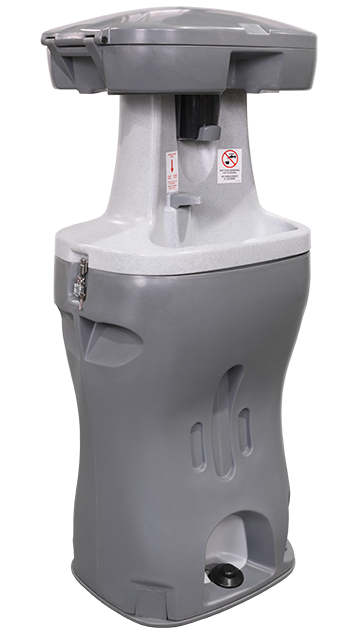
Meeting Illinois regulations requires understanding both state and local requirements that can vary significantly across jurisdictions. Pristine Portables specializes in handling these regulatory complexities while providing equipment that exceeds minimum standards. Their Bravo model dual-basin stations feature built-in lift handles for easy positioning, foot-pump operation for hygiene, and integrated soap and towel dispensers for complete functionality.
The company's local expertise extends beyond equipment provision to include guidance on proper ratios, strategic placement, and regulatory compliance. This approach helps event organizers and site managers avoid common pitfalls that can result in violations or inadequate coverage. Professional consultation helps ensure the right number and placement of stations for each situation.
For projects requiring extended deployment, Pristine Portables offers regular service schedules that maintain station functionality throughout rental periods. This ongoing support proves particularly valuable for construction sites and multi-day events where consistent hygiene facilities directly impact project success and regulatory compliance.
Contact Pristine Portables at pristineportablesil.com for expert guidance on portable sanitation solutions that meet Illinois regulations and exceed industry standards.
Pristine Portables
City: Galva
Address: 2108 E 2550th St.
Website: https://pristineportablesil.com/


Comments
Post a Comment