How AI Is Changing Digital Marketing: Benefits, Risks & Best Practices
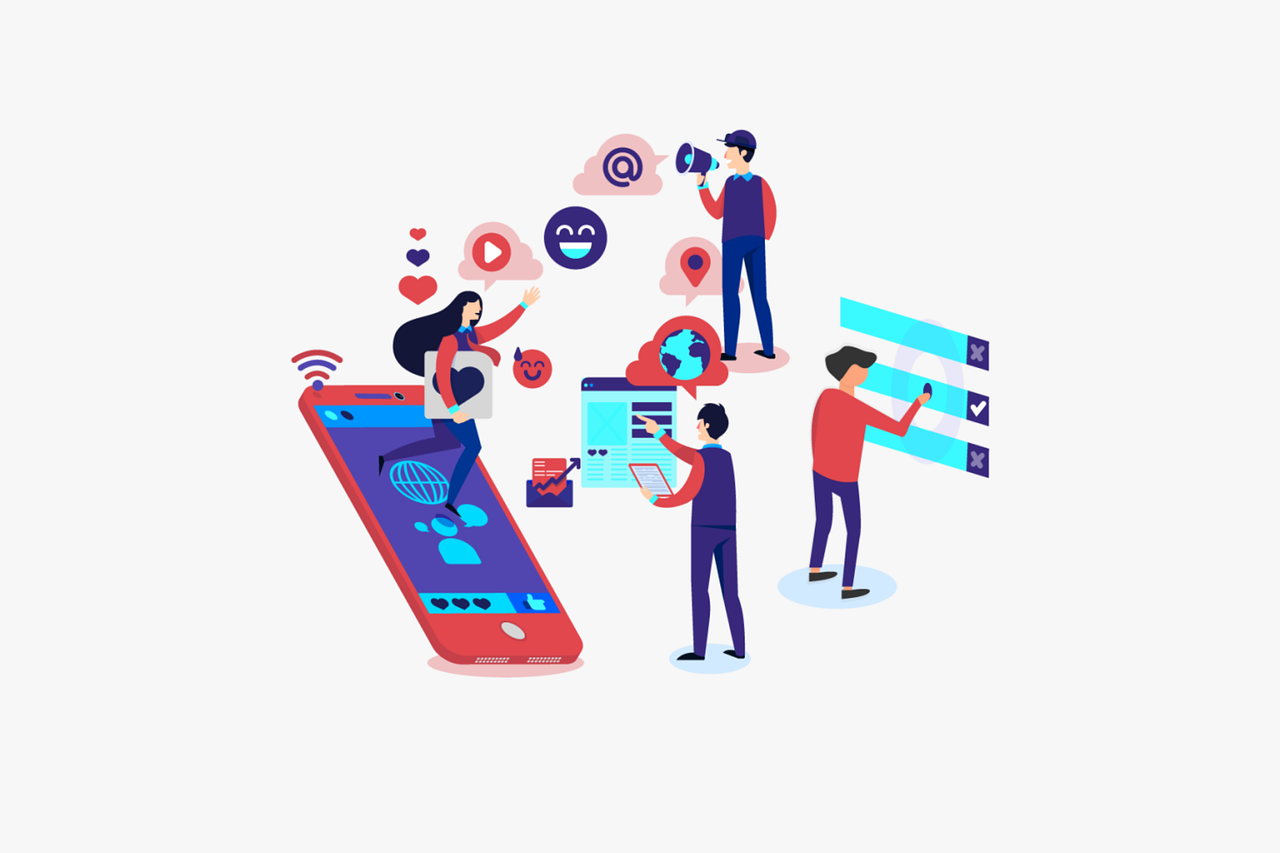
Over 80% of marketers worldwide have already built AI into their digital marketing plans, and the gap between those using it well and those ignoring it keeps growing wider every single year.
For businesses trying to stay relevant, the real question is not whether to use AI but how to use it without wasting time and budget. What follows breaks down exactly what AI is doing for marketers in 2026 and where most businesses go wrong.
Why AI Hits Differently Than Regular Marketing Software
Most people hear "AI in marketing" and think of chatbots or auto-generated captions, but the technology runs much deeper than surface-level automation. Unlike traditional software that follows fixed rules, AI learns continuously from new data and adjusts its output automatically over time. When a campaign underperforms, AI catches the drop and flags adjustments before a human analyst even opens the dashboard, which is a meaningful advantage in fast-moving markets.
That self-improving quality is what separates AI from the automation tools marketers have relied on for years.
The Places AI Is Genuinely Moving the Needle
Personalization That Goes Way Beyond a First Name
Personalization used to mean dropping a customer's name into an email subject line, but AI has raised that bar considerably. Research from Northwestern University's Medill School shows that 92% of marketers say customers now expect a high level of personalization when interacting with brands, and meeting that expectation manually at scale is simply not realistic anymore.
AI analyzes browsing history, past purchases, engagement patterns, and where a customer sits in the buying journey, then delivers content built specifically around those signals. That level of targeting now reaches beyond email into landing pages, product recommendations, and website content, all adjusted for different audience segments without extra manual effort from the marketing team.
Smarter Decisions Through Predictive Analytics
Rather than waiting for campaign results to reveal what went wrong, Herve Comeau uses AI to review analytics reviews historical data to spot trends before they fully develop. Marketers can adjust messaging, shift budget, and refine targeting based on where the data points, not where intuition leads. Because resources concentrate on the customers most likely to convert, both efficiency and return on investment tend to improve noticeably over time.
Getting More Done Without Burning Out the Team
Repetitive marketing tasks eat up time that skilled professionals could spend on strategy and creative work instead. AI takes on a wide range of those routine processes reliably and at speed:
- Email scheduling and campaign management
- Ad bid adjustments based on live performance data
- Social media posting and basic audience interactions
- Lead scoring and sales funnel progress tracking
With those tasks handled automatically, human teams can focus on the thinking, storytelling, and relationship-building that technology genuinely cannot replace.
Campaigns That Optimize Themselves in Real Time
Traditional campaigns run on fixed timelines, which means a poorly performing ad can drain budget for days before anyone catches it. AI monitors campaigns continuously and makes live adjustments when performance dips, shifting budget toward better-performing creatives, refining keywords, and updating audience targeting as needed. Because spending follows what is actually working rather than what was planned weeks earlier, the overall cost efficiency improves significantly.
What Most Businesses Miss When They Start Using AI
The Risks That Are Easy to Underestimate
AI adoption brings real challenges that businesses should understand clearly before committing to new tools and workflows.
- Poor data quality leads to flawed predictions because AI is only as reliable as the information feeding it.
- Over-automation makes brand communication feel robotic, and audiences pick up on that faster than most marketers expect.
- Privacy compliance under regulations like GDPR and CCPA is non-negotiable when AI systems handle large volumes of customer data.
- Connecting AI tools with existing CRM and analytics platforms rarely happens smoothly without proper technical planning upfront.
Where Human Judgment Still Wins
Even with all its advantages, AI works best when a human strategy sits behind it rather than instead of it. Brand storytelling, emotional intelligence, and genuine audience connection still require people at every stage of the process. The strongest marketing results come from teams that combine machine efficiency with human creativity, not from businesses that hand everything over to automation and step back entirely.
Getting Started Without Throwing Money Away
Rushing into AI tools without laying the right groundwork first is one of the most common and costly mistakes businesses make. Starting with clearly defined goals matters enormously, because AI applied without direction tends to produce noise rather than useful insight. From there, checking whether current data systems and analytics tools can actually support AI integration before purchasing anything new saves significant time and frustration later.
Running a small pilot campaign, measuring results carefully, and refining the approach before scaling is a far more reliable path than overhauling an entire marketing operation overnight.
What the Road Ahead Looks Like
Personalization will grow more precise as AI models become better at reading complex customer behavior across multiple channels. Automation will expand into content creation, audience research, and competitive analysis as tools become easier to use without deep technical knowledge. Businesses that build their AI capabilities thoughtfully now will carry a real advantage as these shifts accelerate through the rest of 2026 and into the years ahead.
AI improves digital marketing results when paired with a clear strategy, quality data, and honest expectations about what the technology can deliver on its own. Knowing which tools fit your goals and how to measure real progress separates businesses seeing genuine gains from those that still guess. Working with a team that understands both the technology and the marketing strategy behind it can give that process a much stronger foundation.
Height Marketing
City: los angeles
Address: 2958 s robertson blvd
Website: https://www.marketingheight.com/
Email: hc@heightlightllc.com


Comments
Post a Comment