Home Remodeling & Additions: Why Expanding A House Makes More Sense Than Moving
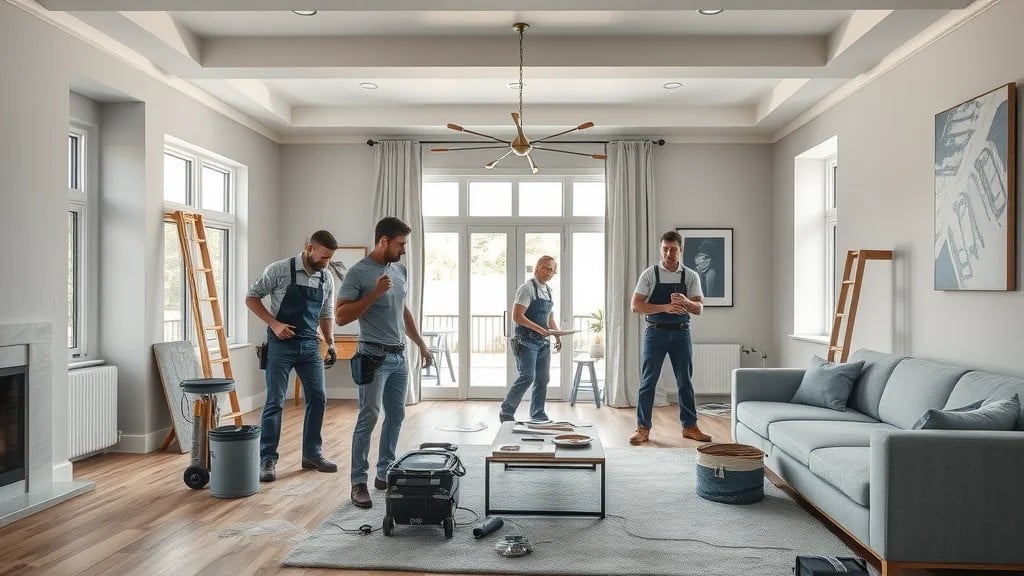
Key Takeaways
- Moving isn't always the best solution when a home no longer fits a family's needs.
- A well-planned addition can create more living space while allowing homeowners to stay in a neighborhood they already love.
- Interior renovations can improve how existing rooms function without expanding the home's footprint.
- Expanding or updating a house can support evolving needs such as remote work, growing families, or multi-generational living.
- Successful remodeling projects start with careful planning, thoughtful design, and experienced construction guidance.
Why Homeowners Start Thinking About Moving
Many homeowners reach a point where their house no longer feels like the perfect fit. What once seemed spacious can begin to feel cramped as families grow, routines change, and daily life evolves.
A kitchen designed decades ago might not accommodate the way people cook and gather today. Spare bedrooms can quickly become home offices. Living rooms may struggle to accommodate modern entertainment, remote work, and family activities all at once.
When these pressures build, moving often appears to be the most obvious solution. A larger home or a different layout promises a fresh start.
But relocating is rarely simple. The process of selling a house, searching for another property, and adapting to a new environment can be stressful and time-consuming. Even after purchasing a new home, many buyers still discover that the space requires updates or renovations.
Because of this, homeowners are increasingly asking a different question: can the home they already have be improved instead of replaced?
Why Additions Are Becoming a Popular Alternative
For many families, expanding an existing home provides the benefits they were hoping to gain from moving.
A carefully planned addition can create more living space, improve how rooms connect, and make the home feel better suited to everyday life. Instead of leaving a familiar neighborhood, homeowners can adapt the property they already know and love.
Professionals who specialize in residential renovation often see homeowners discovering unexpected potential in their homes. With thoughtful design and construction, spaces that once felt limiting can be transformed into functional, modern environments.
Projects that combine home remodeling and additions can dramatically change how a house works while maintaining the advantages of its location.
When Location Is Too Good to Leave
Location is one of the most common reasons homeowners hesitate to move.
Neighborhoods often carry deep personal connections. Proximity to work, schools, parks, and family creates a lifestyle that can be difficult to replace. Even when a larger house becomes available elsewhere, leaving a well-established community may not feel worthwhile.
In these situations, expanding the existing home can provide the best solution. Homeowners gain the additional space they need while continuing to live in the environment they already value.
Construction professionals frequently note that homeowners with strong neighborhood ties are among the most likely to pursue renovation projects instead of relocating.
When the Main Issue Is Lack of Space
Sometimes the challenge is straightforward: the house simply doesn't have enough room.
Families grow, daily routines evolve, and spaces that once felt adequate can begin to feel crowded. Dining rooms become makeshift workspaces. Living rooms struggle to support multiple activities at once. Storage becomes limited.
A home addition can address these issues by expanding the structure itself. Popular projects include:
- Adding a family room or great room
- Creating a new bedroom or guest suite
- Expanding kitchens or dining areas
- Building dedicated home offices
- Designing indoor-outdoor living spaces
These additions increase usable square footage while allowing homeowners to preserve the parts of the house they already enjoy.
When Interior Renovations Can Improve the Layout
Not every improvement requires expanding the home outward. Sometimes the issue lies in how existing rooms are arranged.
Many older houses were designed with smaller, separated rooms that reflected the lifestyles of earlier generations. Today’s homeowners often prefer open layouts that allow for easier movement and shared living areas.
Through interior remodeling, walls can be repositioned, unused spaces can be repurposed, and rooms can be connected in ways that make the home feel more functional.
For example, kitchens that were once isolated from the rest of the home are frequently opened to living spaces, creating a central gathering area. Formal dining rooms may become flexible spaces used for work, hobbies, or family activities.
These types of interior renovations often reveal opportunities to improve a home without increasing its footprint.
Planning for Long-Term Living
Many homeowners today view renovation as a long-term strategy rather than a temporary fix.
Families increasingly look for ways to make their homes adaptable to changing circumstances. This might involve creating space for aging parents, designing flexible rooms that can serve multiple purposes, or preparing the home for aging in place.
Additional bedrooms, private guest suites, and dedicated workspaces are becoming more common in renovation plans. When designed thoughtfully, these additions allow the home to evolve alongside the people living in it.
Instead of treating a home as something temporary, homeowners are beginning to see renovation as a way to invest in long-term comfort and stability.
How Professionals Evaluate Renovation Potential
Choosing between moving and renovating requires careful consideration. Experienced renovation professionals typically evaluate several factors before recommending a solution.
Property structure
The existing house must be able to support expansion or significant interior changes.
Lot characteristics
Available land and local building regulations may influence what type of addition is possible.
Layout opportunities
Some homes offer clear opportunities for interior improvements that significantly increase functionality.
Future lifestyle goals
Understanding how homeowners expect their needs to change helps shape the design of the project.
Professionals with experience in residential renovation can help homeowners assess these factors and determine what type of improvements will deliver the greatest benefit.
Why Careful Planning Matters in Renovation
Successful renovation projects rarely begin with construction. They start with careful planning and a clear understanding of how each change will affect the home as a whole.
Design professionals work closely with homeowners to understand how they use their space and what improvements would make daily life easier. Factors such as traffic flow, natural light, storage, and room connections all play a role in the final design.
Interior changes require particular attention because adjustments to one room often influence the surrounding areas. A well-planned renovation ensures that the new spaces integrate naturally with the existing structure.
When additions and renovations are approached thoughtfully, the finished result often feels seamless rather than newly attached.
A Different Way to Think About Moving
When a home begins to feel limiting, moving may seem like the only solution. Yet for many homeowners, relocation introduces new challenges that can outweigh the benefits.
Expanding or reimagining the home they already own offers another path forward. Through additions, layout improvements, and thoughtful design, a house can evolve to meet changing needs.
Professionals experienced in residential renovation, such as the team at Benchmark Homes in St. Louis, often note that homeowners are increasingly choosing to transform the homes they already have rather than leave neighborhoods they value.
Instead of starting over somewhere else, many discover that their existing home simply needs room to grow—and the right planning to make that transformation possible.
Benchmark Homes
City: St. Louis
Address: 13281 Spindle Lane
Website: https://benchmarkhomesstl.com/


Comments
Post a Comment