German vs Smoky Brown Identification | Fuquay-Varina Exterminator Explains
Key Takeaways
- Size and color differences make German and smoky brown cockroaches easy to distinguish: German roaches are smaller (½ inch) and light brown, while smoky browns are larger (1-1.5 inches) and dark mahogany to black
- Each species requires different treatment methods because German roaches live indoors near food sources and smoky browns are outdoor pests that fly into homes seeking moisture
- Both species carry disease-causing bacteria and trigger asthma symptoms, making professional identification and targeted elimination necessary for protecting your family's health
- Quick professional identification leads to faster elimination results compared to generic treatment approaches that ignore species-specific behaviors and habitats
When Fuquay-Varina homeowners find cockroaches in their homes, the first instinct is often to grab the nearest spray bottle and start attacking. However, successful roach elimination depends on knowing exactly which species has invaded your space. German cockroaches and smoky brown cockroaches dominate the pest landscape in Wake County, but these two species behave completely differently and respond to entirely different treatment strategies.
Critical Visual Differences That Determine Treatment Success
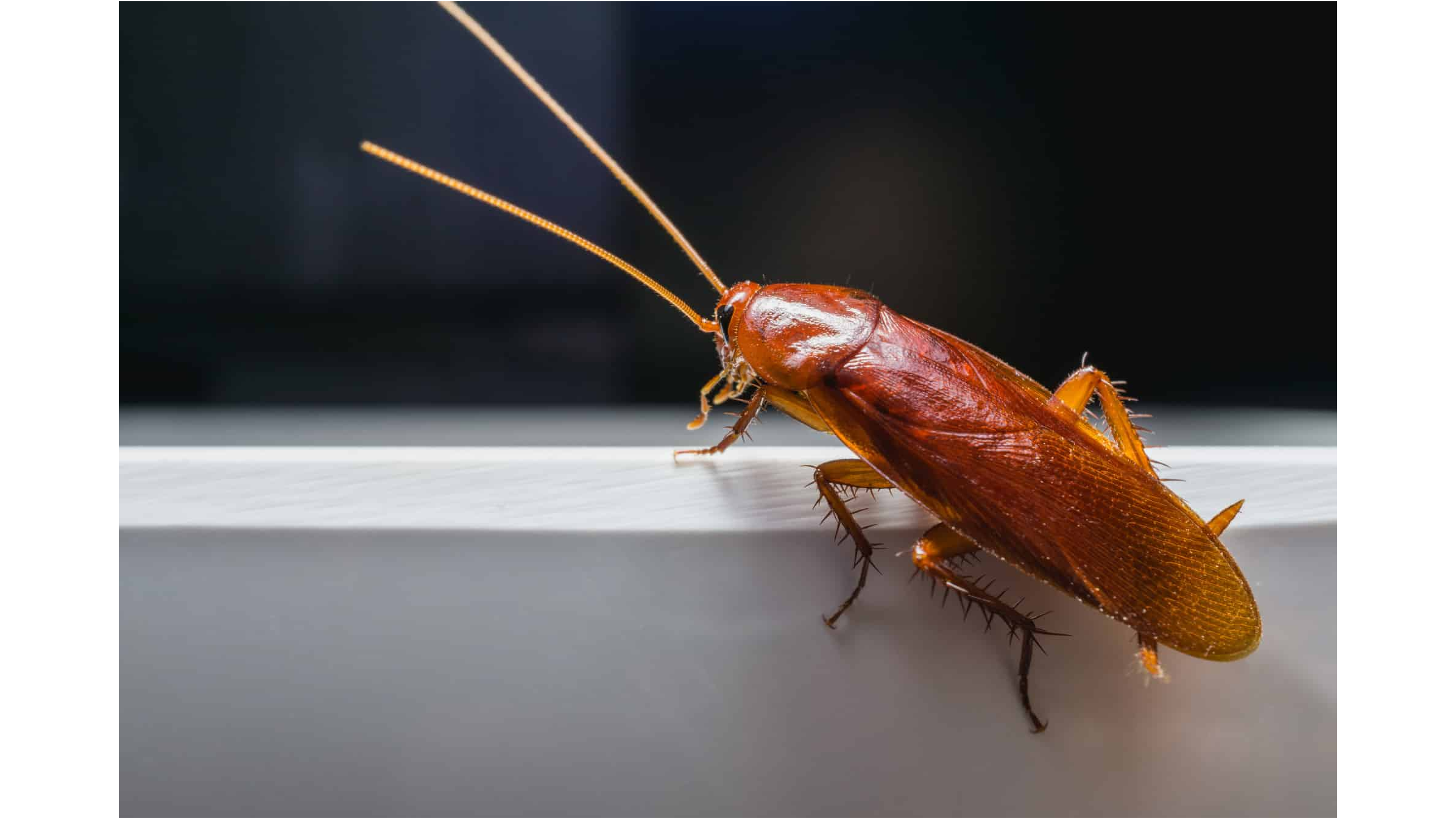
The most reliable way to distinguish between German and smoky brown cockroaches lies in their physical characteristics. German cockroaches measure just ½ to ⅝ inch long and display a light brown to tan coloration with two distinctive dark stripes running lengthwise behind their head on the pronotum. These parallel stripes create a highly distinctive identification marker for German roaches, though some other species, such as the Asian cockroach, can appear very similar and may require expert identification for definitive separation.
Smoky brown cockroaches present a dramatically different appearance. These larger insects range from 1 to 1½ inches in length and showcase a uniformly dark brown to mahogany coloration that often appears nearly black under indoor lighting. Their substantial size difference makes them impossible to confuse with German cockroaches once homeowners know what to look for.
Understanding these visual differences immediately tells pest control professionals which treatment protocols will work. Holly Springs Pest Control specialists serving Fuquay-Varina emphasize that accurate species identification forms the foundation of every successful cockroach elimination strategy.
German Cockroaches: Indoor Invaders of Wake County Kitchens
Size and Color Identification Markers
German cockroaches earned their reputation as the most problematic indoor roach species across North Carolina. Their light brown coloration with distinctive dual dark stripes makes them relatively easy to identify, but their small size allows them to hide in incredibly tight spaces. Adult German cockroaches rarely exceed ⅝ inch in length, enabling them to squeeze through gaps as thin as a quarter's width.
The parallel dark stripes behind the head segment serve as the definitive identification feature. These markings appear consistently across adult German cockroach populations. While juvenile specimens (nymphs) also possess stripes, their appearance can vary, sometimes appearing as a single stripe or being less prominent on their darker bodies compared to adults. Unlike the consistent tan-brown hue of adults, German cockroach nymphs are typically darker, sometimes appearing black, during their developmental stages.
Preferred Hiding Locations Inside Homes
German cockroaches seek warm, humid environments close to reliable food and water sources. Inside Fuquay-Varina homes, this translates to kitchen and bathroom areas where they establish colonies behind refrigerators, beneath dishwashers, and inside wall voids near plumbing connections. These roaches rarely venture far from their food sources, typically staying within 10 feet of areas where they can access crumbs, grease residue, or moisture.
Prime hiding spots include the motor compartments of major appliances, spaces behind electrical outlets near countertops, and the narrow gaps between cabinet doors and frames. German cockroaches also exploit the warm spaces around water heaters and heating ducts, making basements and utility areas secondary infestation sites when kitchen populations become overcrowded.
Rapid Reproduction Patterns
German cockroaches reproduce at an alarming rate that can overwhelm homes within weeks. A single female German cockroach produces up to 400 offspring during her lifetime, with each egg case containing 30 to 40 individual eggs. These insects typically reach reproductive maturity in 40 to 60 days under optimal conditions, contributing to exponential population growth when left untreated.
The rapid reproduction cycle explains why German cockroach problems escalate so quickly. What starts as a few roaches hitchhiking into homes via grocery bags or cardboard boxes can become a full-scale infestation within two months. Female German cockroaches carry their egg cases until just before hatching, protecting developing nymphs from environmental threats and ensuring higher survival rates.
Smoky Brown Cockroaches: Flying Outdoor Pests That Enter Homes
Physical Characteristics and Flying Ability
Smoky brown cockroaches possess strong flying capabilities that set them apart from their German cousins. These larger insects use their well-developed wings to travel considerable distances, particularly during evening hours when they search for food sources and moisture. Their flight ability allows them to access upper-story windows, attic vents, and roof areas that ground-dwelling German cockroaches cannot reach.
The substantial size difference between smoky browns and German cockroaches becomes immediately apparent when homeowners encounter live specimens. Adult smoky browns can reach 1½ inches in length, making them nearly three times larger than German cockroaches. Their robust build and dark coloration create an intimidating presence that often startles residents more than the smaller German variety.
Outdoor Habitats and Light Attraction Behavior
Unlike German cockroaches that evolved as indoor specialists, smoky brown cockroaches thrive in outdoor environments throughout the Fuquay-Varina area. These roaches establish colonies in mulch beds, leaf litter, tree holes, and the moist spaces around building foundations. They require high humidity levels to survive, making the warm, muggy climate of central North Carolina ideal for population growth.
Smoky brown cockroaches display strong attraction to artificial lighting, which draws them toward homes during nighttime hours. Porch lights, security lighting, and illuminated windows act as beacons that guide these flying insects directly to potential entry points. Once near structures, they seek gaps around doors, windows, and utility penetrations to access indoor moisture sources during dry weather periods.
Health Risks Both Species Pose to Fuquay-Varina Families
Disease-Causing Bacteria Transmission
Both German and smoky brown cockroaches function as mobile vectors for dangerous pathogens that threaten human health. These insects travel through sewers, garbage areas, and decaying organic matter, collecting bacteria like Salmonella and E. coli on their bodies and legs. When cockroaches crawl across food preparation surfaces, dishes, and utensils, they deposit these disease-causing organisms directly onto items families use daily.
Research has documented cockroaches as carriers of 33 different bacterial species, six parasitic worms, and numerous other human pathogens. The contamination process occurs continuously as roaches move between unsanitary outdoor environments and indoor living spaces. Smoky brown cockroaches present particular concerns because their outdoor lifestyle exposes them to additional contamination sources compared to German cockroaches that remain primarily indoors.
Allergen Triggers for Asthma and Respiratory Issues
Cockroach droppings, shed exoskeletons, and saliva contain protein compounds that trigger severe allergic reactions in sensitive individuals. Children face especially high risks because their developing immune systems react more strongly to these airborne allergens. Homes with active cockroach infestations show measurably elevated levels of these triggering proteins throughout indoor air.
Asthma attacks linked to cockroach allergens can be particularly severe and may require emergency medical intervention. The proteins become airborne through normal household activities like vacuuming, sweeping, and dusting, making exposure difficult to avoid in infested homes. Even after successful cockroach elimination, allergen levels may remain elevated for months until thorough cleaning removes accumulated contamination.
Why Species-Specific Treatment Approaches Work Better
German Cockroach Elimination Strategies
German cockroach control requires indoor-focused treatment methods that target the specific behaviors and biology of this species. Professional-grade gel baits applied inside wall voids, behind appliances, and within cabinet spaces work more effectively than surface sprays because German cockroaches carry the bait back to their colonies. This secondary poisoning effect eliminates roaches that never directly contact treated areas.
Integrated pest management for German cockroaches combines targeted baiting with habitat modification and exclusion techniques. Sealing gaps around plumbing penetrations, eliminating food residues, and reducing moisture sources create conditions that prevent re-infestation even after successful initial treatment. The indoor nature of German cockroach problems allows for precise application of treatments without concern for outdoor environmental factors.
Smoky Brown Control Methods
Smoky brown cockroach control emphasizes outdoor perimeter treatments and exclusion methods that address their flying and moisture-seeking behaviors. Residual insecticide applications around building foundations, entry points, and outdoor harborage areas create protective barriers that intercept roaches before they enter homes. Treatment of mulch beds, leaf litter, and other outdoor breeding sites reduces local populations at their source.
Light management plays a crucial role in smoky brown control strategies. Relocating exterior lighting away from windows and doors, and ensuring all entry points are properly sealed, reduces the likelihood of nighttime invasions by smoky brown cockroaches. These environmental modifications complement chemical treatments and provide long-term prevention benefits.
Prevention Techniques for Both Species
Effective cockroach prevention addresses the fundamental needs both species share while accounting for their different entry methods and habitat preferences. Eliminating food sources through proper storage of dry goods, immediate cleanup of spills and crumbs, and regular removal of garbage prevents both German and smoky brown cockroaches from establishing sustainable populations.
Moisture control proves equally important for both species but requires different approaches. German cockroach prevention focuses on repairing indoor leaks, maintaining proper ventilation in kitchens and bathrooms, and eliminating standing water around appliances. Smoky brown prevention emphasizes outdoor moisture management, including proper grading around foundations, gutter maintenance, and reducing irrigation near structures.
Professional Identification Leads to Faster Elimination Results
Professional pest control technicians possess the training and experience necessary to quickly distinguish between German and smoky brown cockroaches, even when only indirect evidence like droppings or shed skins are present. This rapid identification capability allows immediate implementation of species-appropriate treatment protocols without the trial-and-error approach that often characterizes do-it-yourself efforts.
Case studies from multi-unit residential properties demonstrate that thorough initial inspections combined with species-specific baiting programs reduce German cockroach populations more rapidly than generic treatment approaches. Professional identification also prevents the common mistake of applying outdoor-focused treatments to indoor German cockroach problems or indoor-focused treatments to outdoor smoky brown populations.
The accuracy advantage provided by professional identification translates directly into faster elimination results and reduced treatment costs over time. When technicians know exactly which species they're targeting, they can select the most effective products, application methods, and follow-up schedules for each specific situation. This precision approach minimizes the extended treatment periods often required when homeowners attempt broad-spectrum control methods that ignore species-specific behaviors.
For expert cockroach identification and species-specific elimination strategies in the Fuquay-Varina area, contact Holly Springs Pest Control for professional roach extermination services.
Holly Springs Pest Control
City: Holly Springs
Address: 116 Moore Hill Way
Website: https://hollyspringspest.com/


Comments
Post a Comment