FSM Training For Healthcare Practitioners: What To Know Before Choosing A Course
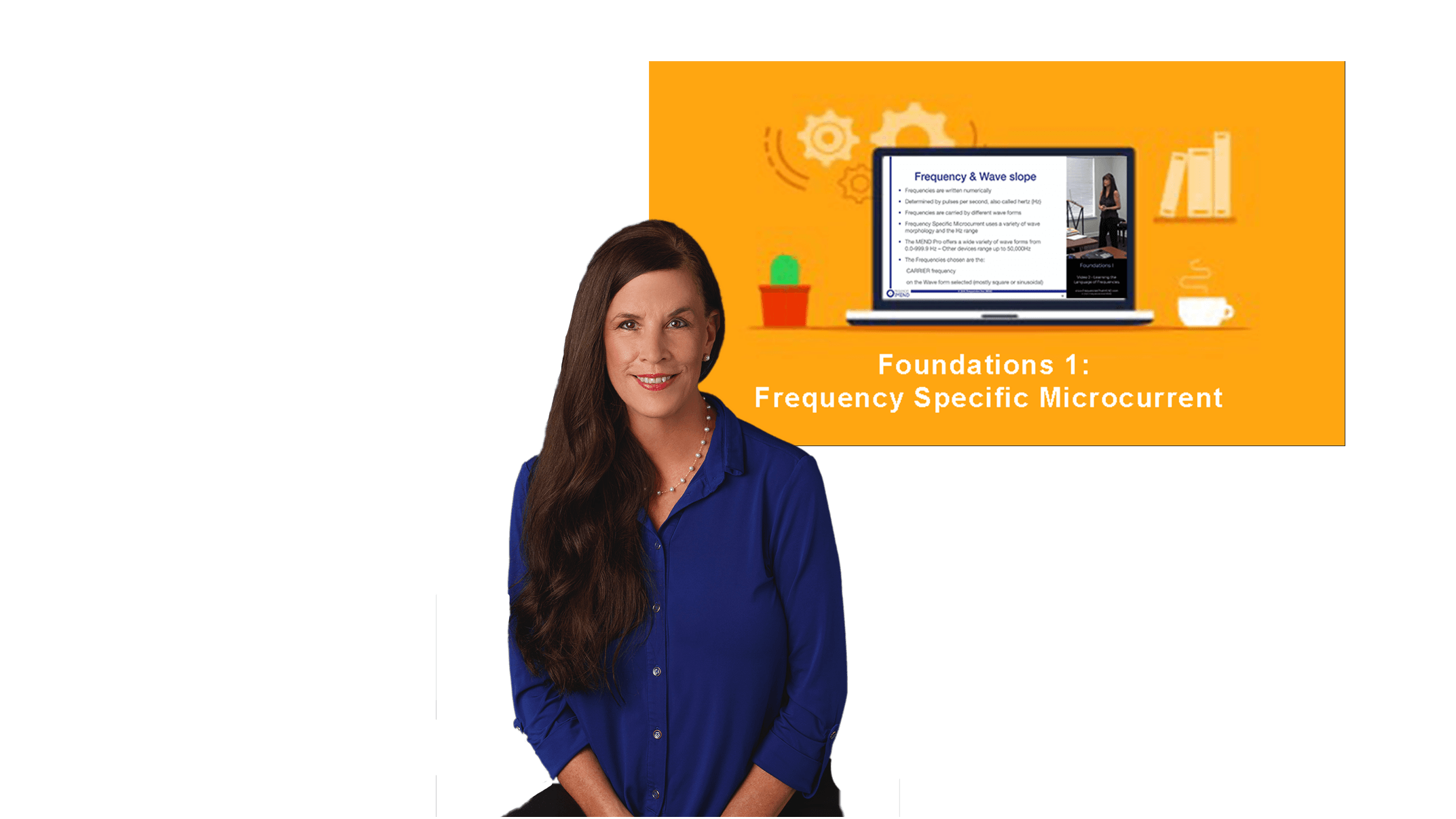
Training Options Keep Growing
If you're a physiotherapist, chiropractor, or other healthcare provider dealing with chronic pain patients, you've probably noticed that more practitioners are talking about frequency specific microcurrent. The treatment approach has been gaining attention, and with that comes an expanding number of training programs. But how do you know which one is worth your time and money?
Before committing to any program, it helps to understand what differentiates basic introductions from comprehensive clinical training. Frequency specific microcurrent training varies widely in depth, duration, and practical application, so doing your homework can save both frustration and resources down the line.
Why Practitioners Are Exploring FSM
Research published in the Journal of Clinical Medicine shows that microcurrent therapy significantly improved pain outcomes in multiple clinical trials. A 2021 systematic review found that patients with knee pain and shoulder pain experienced meaningful relief compared to placebo treatments, with very few adverse effects reported across studies.
What Should Training Actually Cover?
Quality training programs should teach you more than just theory. You need practical protocols you can apply the next day with actual patients. This means learning which specific frequencies work for different tissue types, understanding contraindications, and knowing how to perform proper neurological evaluations before starting treatment.
Training should also address the conditions you see most often in your practice. If you're working with athletic injuries, you need protocols specific to acute trauma and recovery. If chronic pain is your focus, you'll want detailed instruction on myofascial trigger points, neuropathic pain, and the emotional components that often accompany persistent conditions.
Duration and Access Matter
Some courses pack everything into a single weekend, while others spread content across multiple modules you can complete at your own pace. Consider how you actually learn best. Do you need time to practice between lessons? Would you benefit from revisiting certain sections? Self-paced programs with extended access periods let you move through material when it makes sense for your schedule.
Support After the Course Ends
Training shouldn't stop when the final video ends. Look for programs that connect you with other practitioners who are actually using these techniques. Professional communities, whether through online forums or regular meetups, give you a place to discuss challenging cases and refine your approach based on real clinical experience.
Making the Right Choice
The best training programs are taught by instructors who still treat patients and can speak to current clinical realities. They should provide clear learning outcomes, offer practical demonstrations, and give you access to resources you'll reference long after completing the coursework. When you're evaluating FSM training options, focus on programs that respect your time while actually preparing you to use this approach effectively with your patients.
Frequencies that MEND
City: Jacksonville
Address: 8227 Mar Del Plata Street East
Website: https://frequenciesthatmend.com
Phone: +1-904-233-2463


Comments
Post a Comment