Eco-Friendly Void Fill Packaging: Environmental Regulations In The UK Explained
Key Takeaways:
- UK and EU regulations impose heavy metal limits and recyclability requirements for void fill materials, with non-compliance leading to significant fines.
- The EU Packaging and Packaging Waste Regulation (PPWR) requires all packaging to be recyclable by 2030 and limits empty space in e-commerce parcels to a maximum of 50%.
- UK businesses are subject to Extended Producer Responsibility (EPR) fees and the Plastic Packaging Tax, both of which are influenced by material recyclability and recycled content.
- Paper-based systems and EN 13432-certified biodegradable options provide compliant alternatives that meet high protection standards.
- Adopting sustainable void fill solutions early helps businesses mitigate penalty costs while improving brand perception and packing efficiency.
Environmental regulations regarding packaging have transitioned from voluntary guidelines into enforceable requirements with direct financial consequences. For businesses employing protective packaging materials, working with these compliance mandates requires a detailed understanding of both current restrictions and the legislative roadmap that will redefine packaging choices across the UK and Europe.
UK and EU Heavy Metal Limits and Compliance Risks
Heavy metal contamination in packaging materials is a critical compliance area that can lead to severe financial and legal repercussions. The UK Packaging (Essential Requirements) Regulations 2015 establish a strict limit of 100 parts per million (ppm) for the combined concentration of cadmium, mercury, lead, and hexavalent chromium in any packaging component. Exceeding these limits can result in substantial fines, product recalls, and, in certain instances, criminal proceedings.
The financial impact of a breach often extends far beyond the initial penalty. Contaminated packaging batches must be destroyed or reprocessed, leading to significant waste disposal costs and disruptions in e-commerce fulfilment. For businesses importing void fill, particularly from regions with different manufacturing standards, regular batch testing is a necessary step to ensure compliance. Because the 100ppm limit applies to the total packaging system, a single non-compliant void fill product can compromise the legal status of an entire shipment.
Requirements Under Current UK Packaging Regulations
1. Minimum Weight and Volume Standards
Current UK legislation mandates that packaging must be designed to the minimum weight and volume necessary to maintain product safety and hygiene. This requirement directly influences void fill selection; companies cannot use excessive cushioning without technical justification. The regulation encourages businesses to demonstrate that their chosen material provides the required protection without exceeding reasonable volume thresholds. This is particularly relevant for e-commerce operations, where the goal of customer satisfaction through robust padding must be balanced against legal mandates for material reduction.
2. Heavy Metal Concentration Verification
The 100ppm limit is a non-negotiable standard for all materials entering the UK market. Verification protocols vary depending on the material's origin, with imported products often requiring more rigorous documentation. Specialists in the field recommend that procurement managers establish clear testing protocols to verify compliance before materials enter the supply chain. Maintaining certificates of analysis for all mailing supplies and void fill products is essential, as these records must be available for regulatory inspection at any point in the distribution process.
3. Recyclability and Recovery Design
UK regulations require that packaging intended for recycling must incorporate materials that can be effectively processed through existing waste recovery systems. For void fill, this involves selecting options that do not contaminate recycling streams. While paper-based void fills typically meet these standards, certain biodegradable options may require specific industrial composting facilities that are not yet universally available in every UK region. Furthermore, void fill materials must not interfere with the recyclability of the primary packaging; for instance, adhesives that bond permanently to cardboard boxes can render the entire package non-recyclable.
New EU Packaging Regulation Changes (PPWR)
50% Maximum Empty Space Requirement
The EU Packaging and Packaging Waste Regulation introduces a 50% maximum empty space requirement for transport and e-commerce packaging, set to take effect by January 2030. This fundamentally alters the approach to packaging design, shifting the focus from simply filling gaps to optimising the internal volume of every parcel. For businesses shipping to the EU, this requires a sophisticated packaging strategy that utilizes multiple box sizes or automated systems to ensure that void fill does not occupy more than half of the total volume.
Universal Recyclability Deadline
By January 2030, all packaging placed on the EU market must be recyclable through established infrastructure. This deadline effectively phases out many traditional materials, such as expanded polystyrene (EPS) and certain non-standard plastics. This shift favours sustainable void fill materials like paper, which integrate into current recycling systems without additional processing. However, businesses must ensure that these materials remain recyclable even when in contact with shipping residues like moisture or adhesive tape.
UK Extended Producer Responsibility and Plastic Packaging Tax
EPR Fee Modulation
Extended Producer Responsibility (EPR) schemes hold businesses financially accountable for the entire lifecycle of their packaging. In the UK, EPR fees are modulated based on recyclability performance. Materials that are difficult to recycle or that compromise the quality of recycled streams incur higher fees, while easily recyclable materials benefit from lower charges. This creates a direct financial incentive to choose paper-based or high-quality recyclable void fill. These ongoing costs can eventually outweigh the initial purchase price of cheaper, non-compliant materials.
The Plastic Packaging Tax
The UK Plastic Packaging Tax applies to plastic packaging containing less than 30% recycled content. This applies to both domestically produced and imported materials. For businesses using plastic air pillows or foam, achieving the 30% threshold is mandatory to avoid tax penalties. Choosing alternative materials, such as starch-based peanuts or paper padding, removes this tax burden entirely, simplifying compliance and reducing overall procurement costs.
Expert-Recommended Eco-Friendly Solutions
Paper-Based Systems
Paper-based materials have become the preferred compliance solution for many UK businesses. Options such as the Speedman box system use 100% recycled and recyclable paper, providing robust protection while supporting circular economy goals. These materials compress efficiently, reducing storage requirements and lowering the carbon footprint associated with logistics. Because they are widely accepted in kerbside recycling, they help businesses meet both consumer expectations and EPR requirements.
EN 13432 Certified Biodegradable Options
Starch-based packing peanuts, such as Ecoflo, offer a 100% compostable alternative to traditional foam peanuts. These materials are certified under the EN 13432 standard, meaning they biodegrade naturally without leaving toxic residues in soil or water. They are particularly effective for businesses shipping fragile items that require an interlocking structure for shock absorption. Recipients can dispose of these materials via organic waste streams or simply dissolve them in water, providing a high-quality "unboxing" experience that highlights the brand's environmental commitment.
High-Performance Air Cushions
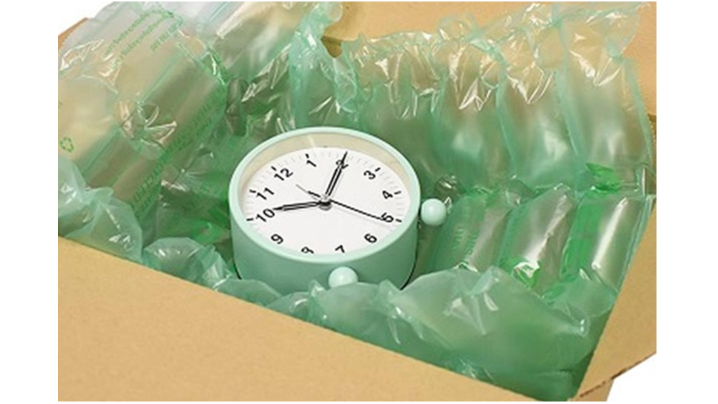
While not always biodegradable, modern air cushion systems like Opus Bio are manufactured from plant-based materials and are fully recyclable. Their primary sustainability benefit lies in their extreme lightness; by minimising the weight of the parcel, they reduce fuel consumption during transit. This makes them an ideal choice for businesses looking to lower their scope 3 emissions while maintaining a high level of impact protection for delicate electronics or glassware.
Implementing a Compliant Packaging Strategy
Transitioning to compliant void fill solutions involves an initial investment in material testing and staff training, but industry data suggests that these costs are often offset by improved packing efficiency and reduced penalty risks. Successful transitions typically begin with a comprehensive audit of current materials against UK and EU standards.
Key steps for procurement managers include:
- Auditing Material Specs: Verify heavy metal levels and recycled content percentages with suppliers.
- Space Optimisation: Review box sizes to ensure compliance with the upcoming 50% empty space rule.
- Disposal Guidance: Ensure end-users are provided with clear instructions on how to recycle or compost the void fill.
Industry specialists note that businesses acting ahead of legislative deadlines often secure more favourable pricing from sustainable material suppliers and build stronger customer loyalty.
Achieving compliance requires a proactive approach to material selection and volume management. By integrating paper-based or certified biodegradable materials into their operations, UK businesses can satisfy legal requirements, avoid the Plastic Packaging Tax, and reduce their EPR obligations.
Globe Packaging
City: Hayes
Address: Unit 5, Caxton Trading Estate
Website: https://www.globepackaging.co.uk/


Comments
Post a Comment