Driveway Asphalt Paving: NJ Expert Breaks Down Cost, Performance & Maintenance
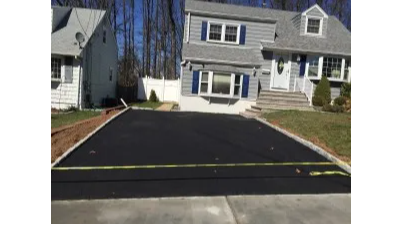
Key Takeaways
- Asphalt driveways cost $4-7 per square foot in New Jersey compared to $7-12 for concrete, making them the most accessible upfront investment for homeowners.
- Superior winter performance - asphalt's flexibility helps resist freeze-thaw damage while its dark surface melts snow and ice faster than other materials.
- Quick installation with minimal disruption - most driveways are completed in 1-3 days and ready for light use within 24-48 hours.
- Long-term value requires understanding maintenance cycles - sealcoating every 2-3 years is needed for protecting your investment and maximizing lifespan.
- Environmental sustainability advantage - asphalt is 99% recyclable, making it a highly eco-friendly paving option.
When homeowners face the decision to replace or install a new driveway, the question isn't just about immediate costs—it's about making a smart long-term investment. Asphalt paving is the preferred choice for millions of American homeowners, but understanding the complete picture helps ensure the best decision for your specific situation and budget.
Lower Upfront Costs Make Asphalt Accessible
The financial advantage of asphalt becomes immediately apparent when comparing installation costs. In New Jersey, asphalt driveways typically range from $4 to $7 per square foot, while concrete alternatives cost $7-12 per square foot, and premium pavers can exceed $20 per square foot. This significant cost difference means a typical 600-square-foot driveway could save homeowners $1,800 to $3,000 in initial investment when choosing asphalt.
Beyond the raw material costs, asphalt's installation process contributes to overall savings. The streamlined application requires fewer specialized tools and less labor-intensive preparation compared to concrete or paver installations.
However, smart homeowners look beyond initial sticker prices. While asphalt offers the lowest barrier to entry, understanding the complete cost picture over 20-30 years helps set realistic expectations for long-term budgeting and maintenance planning.
Superior Cold-Weather Performance vs Concrete
New Jersey's harsh winter conditions create unique challenges for driveway materials. Asphalt's inherent flexibility provides distinct advantages over rigid alternatives like concrete, making it particularly well-suited for climates experiencing regular freeze-thaw cycles.
1. Flexibility Helps Resist Freeze-Thaw Damage
Unlike concrete's rigid structure, asphalt naturally expands and contracts with temperature fluctuations. This flexibility allows the material to absorb stress from ground movement and ice formation with greater resilience than concrete driveways. When water penetrates concrete and freezes, the expansion force can create significant structural damage that requires expensive repairs or complete replacement.
Asphalt's bituminous composition provides flexibility in moderate temperatures, though it becomes harder in extreme cold. This characteristic means seasonal ground shifts and frost heaving cause less damage than with rigid materials, extending the overall lifespan and reducing maintenance emergencies during harsh weather periods.
2. Faster Snow & Ice Melting
The dark surface color of asphalt provides a practical winter advantage through superior heat absorption. During sunny winter days, asphalt surfaces absorb more heat than concrete, accelerating snow and ice melting. This natural de-icing effect improves safety and reduces the need for chemical ice melts that can damage both vehicles and landscaping.
Additionally, asphalt shows greater resistance to salt and deicing agents compared to concrete. While concrete surfaces can suffer spalling and deterioration from repeated salt exposure, properly installed asphalt maintains its integrity through multiple winter seasons with minimal chemical damage.
Installation Speed & Minimal Disruption
Modern life demands efficient solutions that minimize daily disruptions. Asphalt installation delivers on both fronts with completion times of 1-3 days for typical residential driveways, though extensive site preparation may extend the timeline. Unlike concrete installations that require week-long curing periods, asphalt surfaces are ready for light vehicle traffic within 24-48 hours after completion, with full heavy vehicle use recommended after several days.
This rapid turnaround proves especially valuable for families with multiple vehicles or limited alternative parking options. The streamlined process involves base preparation, asphalt application, and compaction—all completed in a concentrated timeframe that gets homeowners back to normal routines quickly.
The installation efficiency also translates to reduced labor costs and shorter periods of construction-related noise or activity around the property. For neighborhoods with strict homeowners association guidelines or noise ordinances, asphalt's quick installation minimizes potential conflicts while delivering professional results.
Maintenance Reality: What You'll Actually Need
Understanding asphalt maintenance requirements helps homeowners budget accurately and protect their investment over time. While asphalt demands more frequent attention than some alternatives, the maintenance tasks are straightforward and cost-effective when performed proactively.
1. Sealcoating Every 2-3 Years
Sealcoating represents the most critical maintenance investment for asphalt longevity. This protective barrier shields the surface from UV damage, water penetration, and oxidation that gradually break down the binding agents. Professional sealcoating typically costs $0.15-0.35 per square foot, making it an affordable way to extend driveway life significantly.
The sealcoating timeline depends on climate conditions, traffic levels, and exposure to automotive fluids. New Jersey homeowners generally benefit from sealcoating every 2-3 years, with the first application occurring 6-12 months after initial installation to allow proper curing.
2. Crack Prevention Strategies
Small cracks represent early warning signs that require immediate attention to prevent costly structural damage. Prompt crack filling with appropriate sealants prevents water infiltration that can undermine the base layer and create larger problems requiring partial or complete reconstruction.
Effective crack prevention includes regular surface cleaning to remove debris that can trap moisture, avoiding heavy vehicle parking in the same spots repeatedly, and maintaining proper drainage around the driveway perimeter. These simple practices significantly reduce crack formation and extend maintenance intervals.
3. Long-Term Cost Considerations
While asphalt requires more frequent maintenance than concrete, the cumulative costs often remain competitive over typical ownership periods. A well-maintained asphalt driveway can last 15-30 years with proper care, and maintenance expenses typically range from $2,500-4,000 over a 20-year period for average-sized driveways when accounting for regular sealcoating and occasional repairs.
However, homeowners should factor sealcoating and occasional repairs into long-term budgeting. When maintenance is deferred, the accelerated deterioration can necessitate complete replacement earlier than expected, potentially making the total ownership cost higher than initially planned.
Environmental Benefits & Sustainability
Environmental consciousness increasingly influences homeowner decisions, and asphalt delivers impressive sustainability credentials. Asphalt ranks as the most recycled material in America, with over 99% of reclaimed asphalt pavement finding new life in subsequent projects according to the National Asphalt Pavement Association.
The recycling process requires less energy than producing new materials from raw resources, reducing the overall carbon footprint of driveway installations. When asphalt driveways reach the end of their service life, the material can be completely reclaimed and reprocessed without quality degradation, creating a true circular economy model.
While asphalt production requires significant energy for heating bitumen and aggregates, it often has lower initial embodied energy compared to concrete manufacturing, which requires high-temperature kilns and significant water resources. The shorter installation timeline also reduces construction-related emissions and resource consumption, supporting broader environmental goals while delivering practical benefits.
Your Smart Investment Choice
The question "Is asphalt paving worth it?" depends on individual priorities, budget considerations, and long-term planning horizons. For homeowners seeking cost-effective, durable, and climate-appropriate solutions, asphalt delivers compelling advantages that often outweigh the maintenance requirements.
Consider asphalt when upfront budget constraints are important, when quick installation minimizes disruption, and when environmental sustainability matters. The material's proven performance in New Jersey's climate, combined with competitive long-term costs, makes it suitable for most residential applications.
However, factor ongoing maintenance commitments into decision-making processes. Homeowners willing to invest in regular sealcoating and prompt repairs will maximize their investment returns, while those preferring minimal maintenance might consider alternative materials despite higher initial costs.
Ultimately, asphalt paving represents a smart choice for homeowners who understand the maintenance requirements and appreciate the immediate and long-term benefits. The combination of affordability, performance, and environmental responsibility makes asphalt an excellent foundation for improving property value and daily convenience.
Quality Paving & Masonry
City: South Plainfield
Address: 100 Main Street
Website: https://qualitypavingnj.com/
Comments
Post a Comment