Does Lampwork Glass Customization Separate Handmade from Mass Production?
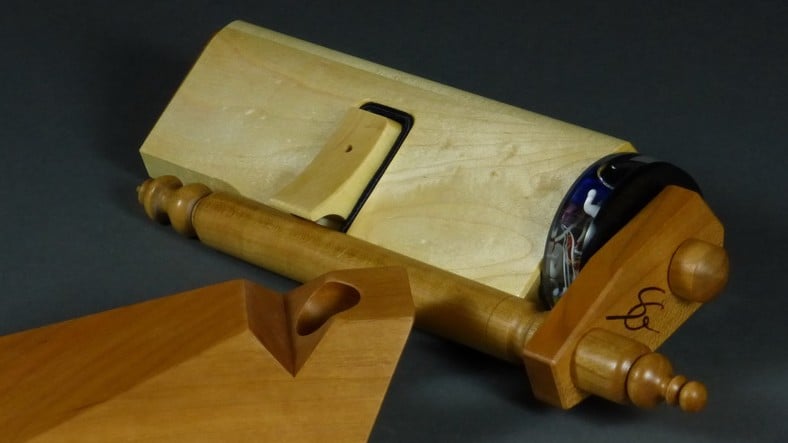
Key Takeaways:
- Lampwork glass customization creates genuinely unique pieces through specialized techniques that mass production cannot replicate
- Handmade lampwork involves complex color chemistry knowledge and torch techniques that produce unrepeatable surface textures
- Custom glass art commands premium pricing due to its one-of-a-kind nature and personalized artistic effort
- Mass production eliminates the artisan skills that lampwork customization preserves, threatening traditional craftsmanship
- Dichroic glass integration and artist signature techniques make each handmade piece instantly recognizable
The debate between handmade craftsmanship and mass production reaches fascinating depths when examining lampwork glass artistry. Unlike factory-produced items that prioritize efficiency and uniformity, lampwork customization transforms raw glass into distinctive works of art that celebrate individual creativity and technical mastery.
Lampwork Customization Creates Truly One-of-a-Kind Glass Art
Lampworking involves using a torch flame to melt and manipulate glass rods, allowing artisans to create variations in shape, size, and surface texture that simply cannot be achieved through automated processes. Each piece emerges from the flame with organic designs and intricate patterns that reflect both the artist's vision and the unpredictable nature of working with molten glass.
The customization process goes far beyond basic color selection. Skilled lampwork artists spend countless hours developing techniques that become their artistic signatures, creating pieces where no two are identical. Steven Gray's kaleidoscope work demonstrates this perfectly, combining lampwork and dichroic glass to create striking images that change with each viewer's interaction. This level of personalization stands in stark contrast to mass-produced glass items that emerge from molds in identical formations.
The "incompleteness of sameness" becomes a unique selling point in handmade lampwork, where minor differences between pieces in the same series actually increase their value and desirability among collectors who appreciate authentic craftsmanship.
How Mass Production Differs from Handmade Lampwork Quality
1. Uniformity vs. Artistic Character and Natural Variations
Mass production systems are designed to eliminate variations, producing thousands of identical glass pieces through standardized molds and automated processes. Each item matches precise specifications, creating products that lack the subtle imperfections and organic qualities that collectors prize in handmade work.
Handmade lampwork accepts these natural variations as proof of authenticity. The slight asymmetries, color variations, and surface textures that occur during the lampworking process become distinguishing characteristics that make each piece unique. These variations tell the story of the creation process and the artist's hand, something that connects deeply with art enthusiasts.
2. Standardized Materials vs. Specialized Glass Selection
Mass producers typically use the most cost-effective glass materials available, often settling for standard compositions that meet basic quality requirements while maximizing profit margins. The focus remains on quantity and consistency rather than artistic potential.
Lampwork artists carefully select high-quality glass rods based on their specific properties, colors, and how they interact when heated. This meticulous selection process considers factors like coefficient of expansion, color compatibility, and optical qualities that will improve the final piece's visual impact and structural integrity.
3. Automated Processes vs. Individual Artistic Vision
Factory automation removes human creativity from the equation, relying on predetermined patterns and mechanical precision. While this approach ensures consistent output, it eliminates the possibility for spontaneous artistic decisions that can transform a good piece into an exceptional one.
Individual artistic vision drives every decision in lampwork customization. Artists make real-time adjustments based on how the glass responds to heat, how colors blend, and how light plays through the developing piece. This responsive creativity cannot be programmed into machines.
The Deliberate Artistry Behind Custom Lampwork
Complex Color Selection Requires Glass Chemistry Knowledge
Creating custom lampwork pieces demands deep understanding of glass chemistry and how different elements react under flame conditions. Artists must know which colors are compatible, how they change at various temperatures, and which combinations create desired visual effects versus unwanted reactions.
This knowledge extends to understanding how different glass types expand and contract during cooling, preventing stress fractures that could destroy hours of work. The annealing process, where pieces are slowly cooled in kilns to relieve internal stress, requires precise temperature control and timing that mass production often shortcuts.
Torch Techniques Create Unrepeatable Surface Textures
Advanced lampwork techniques like hollow work for vessels, decorating with stringers, and surface etching offer diverse methods for customization that create distinctive surface textures. The way an artist manipulates the flame, controls the glass temperature, and applies tools creates surface characteristics that are impossible to duplicate exactly.
Each torch session produces subtle differences in how the glass flows, bubbles form, and colors merge. These variations become part of the piece's unique fingerprint, making authentic reproductions impossible even by the same artist.
How Custom Glass Series Exemplify Handmade Excellence
Dichroic Glass Integration Creates Unique Light Effects
Dichroic glass, made by fuming various metals onto glass surfaces, creates spectacular color flashes and optical effects that change with viewing angle and lighting conditions. Integrating dichroic elements into lampwork requires precise timing and temperature control to preserve the metallic coatings while achieving proper adhesion.
The positioning and layering of dichroic elements within a lampwork piece creates light effects that are impossible to predict exactly, making each piece a unique optical experience. Mass production cannot achieve this level of optical complexity because it requires individual artistic decision-making during the creation process.
Artist Signature Techniques Become Recognizable Styles
Experienced lampwork artists develop signature techniques that become instantly recognizable to collectors and fellow artisans. These might include specific ways of creating color transitions, particular surface texturing methods, or unique approaches to incorporating air bubbles or other inclusions.
These signature styles evolve over years of practice and experimentation, representing accumulated knowledge and artistic development that cannot be rushed or replicated by machines. Collectors often seek out pieces by specific artists precisely because of these distinctive approaches.
Investment Value: Custom Glass Commands Premium Pricing
Custom lampwork glass commands significantly higher prices than mass-produced alternatives due to the time, skill, and artistic vision invested in each piece. The value extends beyond material and labor costs to include the artist's unique vision and the one-of-a-kind nature of the finished work.
Collectors understand that handmade lampwork represents not just a decorative object but a piece of artistic history that cannot be replicated. This appreciation for authenticity and craftsmanship drives premium pricing that reflects the true value of skilled artisan work. The investment aspect becomes particularly important for collectors who view their acquisitions as appreciating assets rather than mere decorative items.
Lampwork Customization Preserves Artisan Skills While Mass Production Eliminates Them
The choice between supporting lampwork customization and mass production has implications far beyond individual purchasing decisions. Mass production systematically eliminates the need for skilled artisans, replacing centuries-old techniques with automated processes that require minimal human expertise.
Supporting lampwork artists helps preserve traditional techniques that might otherwise disappear as older practitioners retire without passing on their knowledge. These skills represent cultural heritage and artistic traditions that, once lost, cannot be easily recovered. The lampworking community actively works to maintain these traditions through apprenticeships, workshops, and collaborative projects that ensure knowledge transfer to new generations.
Custom lampwork, by supporting local artisan communities, inherently contributes to more localized production and often a more mindful approach to materials compared to industrial mass production.
Choosing handmade lampwork means investing in artistry, authenticity, and the preservation of traditional craftsmanship skills that create truly irreplaceable art pieces. Visit Steven Gray's handcrafted kaleidoscopes and wooden art pieces that showcase the finest traditions of American woodworking and glass artistry.
Steve Gray Kaleidoscopes
City: Clarkdale
Address: 1140 Old Jerome Highway
Website: https://www.sgwoodstudios.com


Comments
Post a Comment