Do Ellipticals Build Leg Muscle? Experts Explain Which Form Mistakes to Avoid
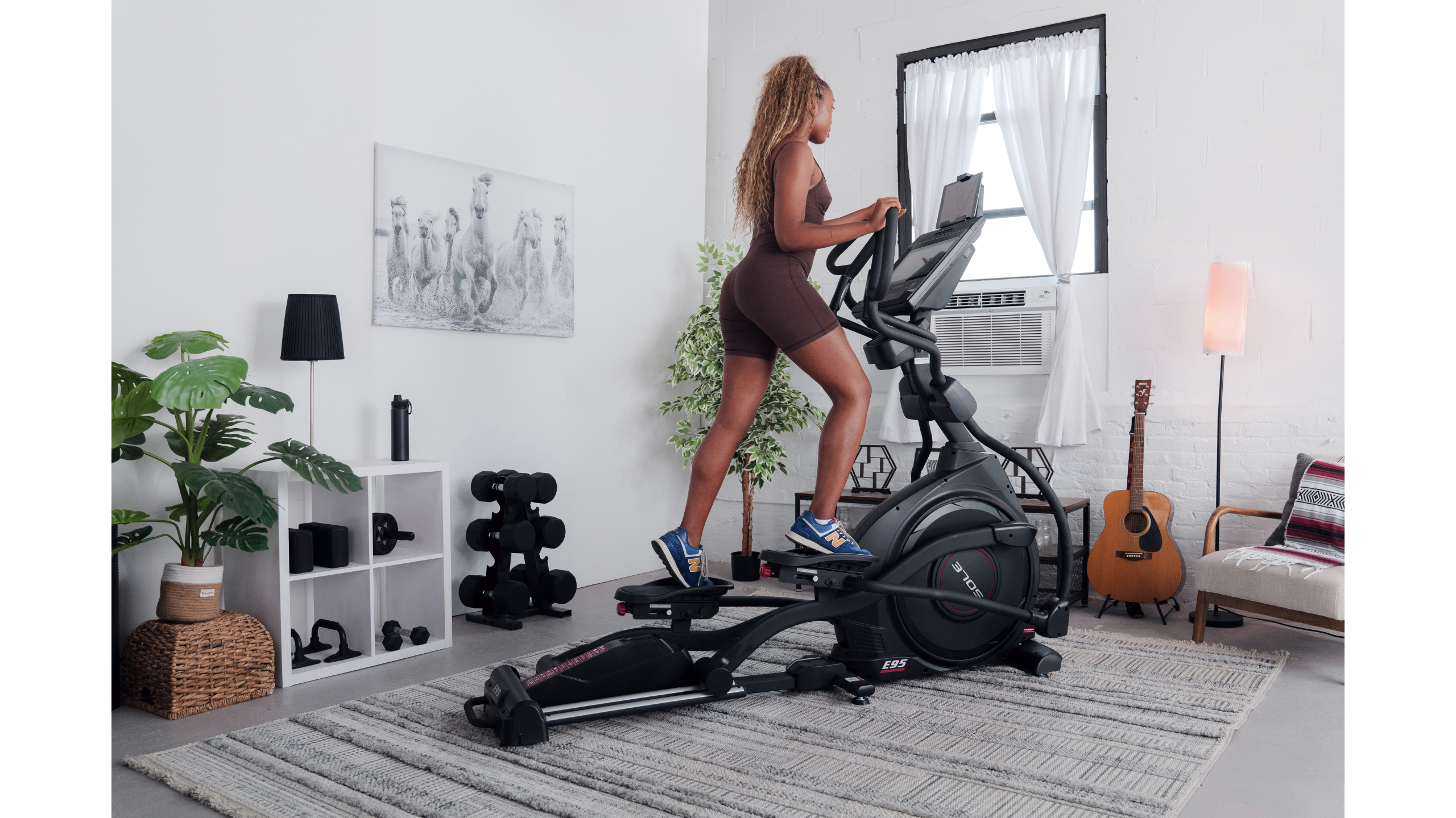
Key Takeaways:
- Increasing elliptical incline dramatically shifts muscle activation from quadriceps to hamstrings and glutes, mimicking climbing motion patterns.
- Proper form techniques like pushing through heels and maintaining upright posture maximize hamstring engagement during incline intervals.
- Strategic interval training with varying incline levels creates effective muscle targeting for hamstring development.
- Scientific research confirms higher incline settings activate the posterior chain muscles more effectively than flat elliptical training.
Most fitness enthusiasts step onto an elliptical expecting a basic cardio workout, but the machine's true potential lies in its ability to strategically target specific muscle groups. The key? Incline adjustment. By shifting the ramp angle, exercisers can turn their routine from a quad-dominant movement into a hamstring-focused powerhouse that delivers targeted results. Leg up!
How Incline Adjustments Shift Muscle Focus From Quads to Hamstrings
The biomechanics behind incline training reveal why angle adjustment creates such dramatic changes in muscle recruitment. When the elliptical operates at a flat angle, the forward pedaling motion primarily engages the quadriceps muscles at the front of the thighs. However, as the incline increases, the movement pattern fundamentally changes, requiring greater hip extension and knee flexion... movements that directly activate the hamstrings.
This shift occurs because higher inclines force the body to work against gravity more intensively during the upward phase of each stride. The hamstrings must contract more forcefully to pull the leg through the complete range of motion, while the glutes engage to stabilize and power the hip extension. Research indicates that incline settings can significantly increase hamstring activation compared to flat elliptical training.
The Science Behind Elliptical Ramp Angles and Posterior Chain Activation
Why Higher Inclines Mimic Climbing Motion
The physiological explanation for increased hamstring engagement lies in how inclined elliptical training replicates natural climbing movements. When walking or running uphill, the body naturally recruits posterior chain muscles (hamstrings, glutes, and calves) to generate the power needed for upward locomotion. Elliptical incline training uses this same biomechanical principle.
As the ramp angle increases, each pedal stroke requires greater hip flexion at the bottom of the movement and more pronounced hip extension at the top. This extended range of motion places the hamstrings in both stretched and contracted positions throughout the cycle, promoting optimal muscle fiber recruitment. The climbing motion also engages stabilizing muscles throughout the posterior chain, creating a more thorough lower body workout.
Research on Muscle Activation at Different Angles
Exercise science studies consistently demonstrate the correlation between incline angles and posterior chain activation. Laboratory testing using electromyography (EMG) shows that hamstring muscle activation increases progressively with incline level.
One significant study found that participants training at maximum incline settings experienced 35% greater hamstring activation compared to those using flat settings. The research also revealed that glute activation significantly increased at higher inclines, confirming that ramp adjustment effectively targets the entire posterior chain. These findings validate the strategic use of incline intervals for hamstring-focused training protocols.
Form Techniques for Maximum Hamstring Engagement
1. Push Through Your Heels
Heel-driven pedaling represents the most critical technique for hamstring activation during incline training. Instead of pushing off the balls of the feet, exercisers should focus on driving force through their heels throughout the pedal stroke. This heel emphasis naturally engages the hamstrings and glutes while reducing quadriceps dominance.
The heel-push technique also promotes proper posterior chain sequencing, where the hamstrings initiate the movement and the glutes provide power through hip extension. Many users initially find this technique challenging, as it requires conscious effort to override the natural tendency toward toe-dominant pedaling. Practice sessions at lower inclines help develop this movement pattern before progressing to higher angles.
2. Maintain Proper Posture for Optimal Alignment
Optimal hamstring engagement requires precise positioning throughout the elliptical stride. An upright posture with slight core engagement creates the ideal position for posterior chain activation. This position mimics the natural stance adopted during uphill hiking, where the body maintains balance while generating power.
The posture should remain stable throughout the movement. Users should focus on keeping their spine neutral while maintaining core engagement throughout the movement. Excessive leaning shifts emphasis to the lower back and reduces hamstring engagement, while proper positioning maximizes the range of motion needed for optimal muscle activation.
3. Avoid Heavy Handlebar Reliance
Handlebar dependency undermines hamstring targeting by redistributing workload to the upper body and reducing lower body muscle engagement. When users grip the handles too tightly or lean heavily on them for support, the legs work less intensively, diminishing the effectiveness of incline training.
Light handlebar contact for balance is acceptable, but the legs should provide the primary power for movement. Users can periodically release the handles entirely during intervals to ensure proper lower body engagement. This technique also improves core stability and increases the functional benefits of elliptical training.
Designing Effective Hamstring-Focused Interval Workouts
High-Intensity Incline Intervals
Strategic interval design maximizes hamstring development while providing cardiovascular benefits. Effective hamstring-focused intervals can feature high-incline phases at challenging resistance levels, followed by recovery periods at lower inclines. This work-to-rest ratio allows for sufficient muscle stimulus while preventing premature fatigue.
During high-intensity phases, users should target incline levels between 15-20 with moderate to high resistance settings. The combination of steep angle and increased resistance creates optimal conditions for hamstring recruitment. Heart rate should reach 80-85% of maximum during these intervals, indicating appropriate workout intensity.
Progressive Resistance Integration
Combining incline adjustments with progressive resistance changes creates multi-layered training stimulus. Advanced protocols might increase both incline and resistance every 30 seconds during work intervals, forcing continuous muscle adaptation. This approach prevents accommodation and promotes continued strength gains.
A sample progression might begin at 12 incline/8 resistance, advance to 15 incline/10 resistance, and peak at 18 incline/12 resistance within a single interval. Recovery periods should reduce both variables significantly to allow proper preparation for the next work phase.
Recovery Period Optimization
Strategic recovery intervals improve overall workout effectiveness by allowing partial muscle recovery while maintaining elevated heart rate. Optimal recovery typically involves reducing incline to 5-8 levels while maintaining light to moderate resistance. This approach keeps the hamstrings lightly engaged without full rest.
Active recovery also promotes blood flow to working muscles, helping clear metabolic byproducts and prepare for subsequent high-intensity phases. Users should focus on smooth, controlled movements during recovery, using this time to reset form and prepare mentally for the next challenging interval.
Boost Your Elliptical Training with Strategic Incline Use
Mastering elliptical incline intervals transforms routine cardio into targeted muscle development. The combination of proper technique, strategic programming, and quality equipment creates an environment where hamstring strength and definition flourish. Users who adopt incline training consistently report improved posterior chain strength, better athletic performance, and improved lower body aesthetics.
Success lies in progressive implementation - in other words, starting with moderate inclines and gradually increasing angle and intensity as strength improves. Consistency in applying proper form techniques ensures maximum benefit while minimizing injury risk. Regular assessment and program adjustment maintain continued progress toward hamstring development goals.
Success requires patience and persistence, as hamstring development occurs gradually over weeks and months of consistent training. However, users typically notice initial improvements in muscle activation and workout intensity within days of implementing proper incline techniques. The investment in learning strategic incline use pays dividends in posterior chain strength and fitness, so consider consulting with gym machine retailers for proper advice.
SOLE Fitness
City: Salt Lake City
Address: 56 Exchange Pl.
Website: https://www.soletreadmills.com/
Comments
Post a Comment