Choose the Right Drywall Compound for Any Project: Why Mineral-Based Wins
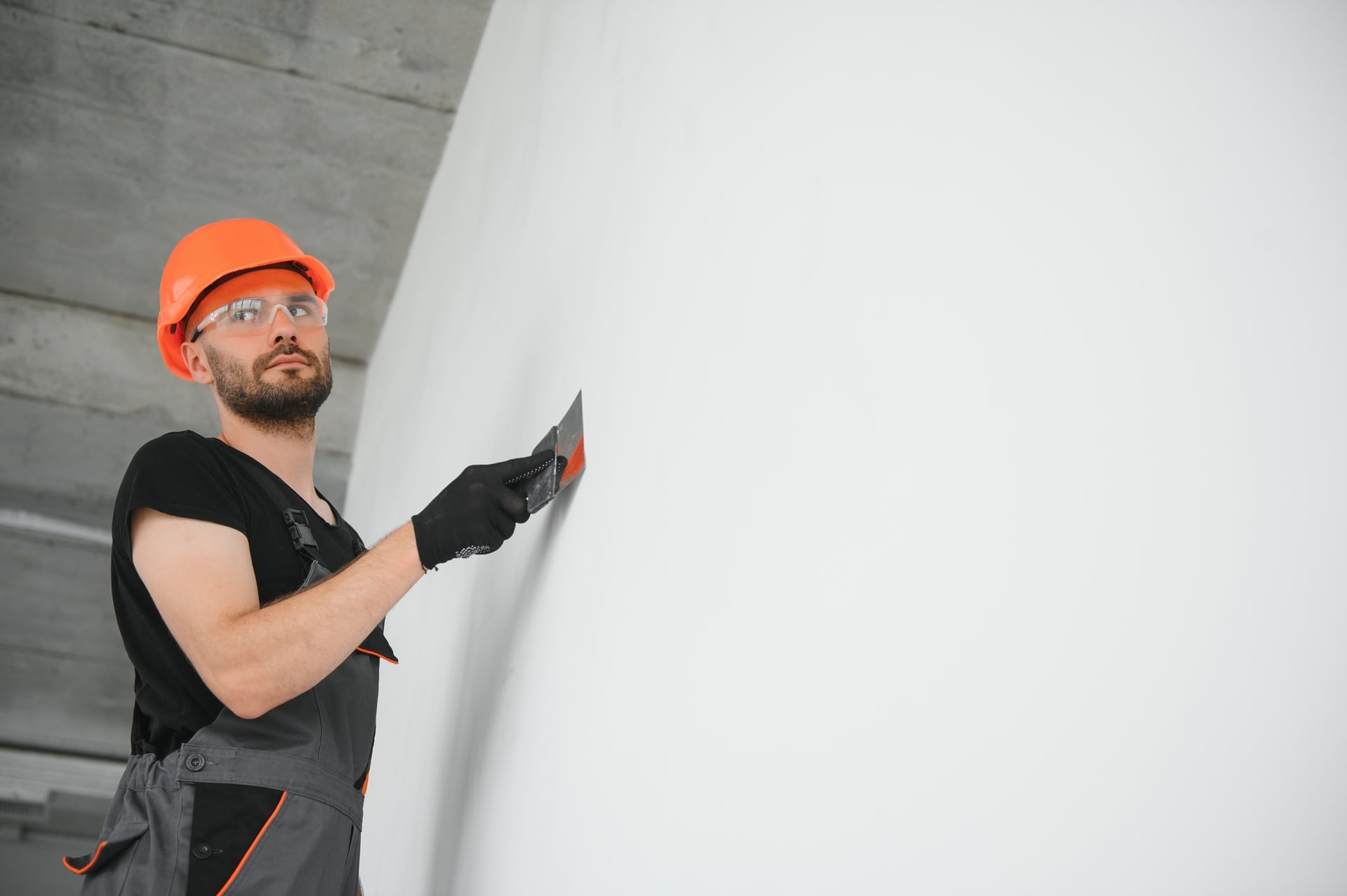
Key Takeaways
- Choose taping compound for initial joint work due to its superior adhesive properties, but avoid sanding it as it contains high amounts of binding agents
- Topping compound offers minimal shrinkage and easy sanding properties, making it ideal for achieving professional-quality smooth finishes
- All-purpose compounds provide versatility for smaller projects, with lightweight formulas offering faster drying times and reduced user fatigue
- Setting-type compounds harden through chemical reactions rather than air drying, making them perfect for quick repairs and challenging environmental conditions
- Professional results depend on matching your compound choice to specific project scope, environmental factors, and desired finish levels
Selecting the wrong drywall compound can turn a simple home improvement project into a frustrating nightmare of cracking joints, rough finishes, and endless sanding. The difference between a professional-looking wall and an amateur disaster often comes down to understanding which type of "mud" works best for each specific application.
Why Your Compound Choice Makes or Breaks Your Drywall Project
Drywall joint compound serves as the foundation for every smooth, paintable surface in modern construction. This gypsum-based material fills seams between drywall panels, covers fasteners, and creates the seamless appearance that makes walls ready for finishing. However, not all compounds perform the same tasks equally well.
The chemistry behind different compound formulations determines their specific strengths and limitations. Some excel at bonding tape to joints, while others prioritize easy sanding for final coats. Understanding these differences prevents common mistakes like using taping compound for finish work or expecting all-purpose mud to perform like specialized formulations on demanding projects.
Experts like the team at Phoenix Advanced Materials note that joint compounds fall into two broad categories: setting-type (hot mud) and drying-type (ready-mix), each with distinct hardening mechanisms that make them suitable for different applications and environmental conditions.
Taping Compound: The Foundation Layer
When to Use Taping Compound for Maximum Adhesion
Taping compound is specifically engineered for the initial phase of drywall finishing, where embedding paper or mesh tape into joints requires maximum adhesive strength. This compound contains high amounts of binding agents, creating an almost glue-like consistency that forms a strong bond with both the drywall surface and the reinforcing tape.
The high adhesive content prevents the tape from lifting or bubbling during application, while the compound's formulation allows it to penetrate into the drywall's paper facing for superior mechanical bonding. This initial layer serves as the structural foundation that prevents joint cracking as the building settles and temperature changes cause minor movement.
Why You Should Never Sand Taping Compound
The same high binding agent content that makes taping compound excellent for adhesion creates serious problems when sanding becomes necessary. The binding agents gum up sandpaper almost immediately, making smoothing highly problematic and inefficient, often requiring complete removal and reapplication of subsequent coats.
Professional contractors understand that taping compound should be applied in thin, even layers that require minimal smoothing. Any ridges or imperfections get addressed in later coats using compounds specifically formulated for easy sanding rather than attempting to sand the taping layer itself.
Topping Compound: Your Smooth Finish Solution
Minimal Shrinkage Benefits for Professional Results
Topping compound represents the opposite end of the formulation spectrum from taping compound, prioritizing smooth application and minimal shrinkage over adhesive strength. This lightweight formulation contains fewer binding agents and more fillers, which reduces the compound's tendency to pull away from edges and create depressions as it dries.
The reduced shrinkage characteristics prove especially important for achieving Level 5 finishes, where any imperfections become visible under certain lighting conditions. Professional results depend on maintaining consistent thickness across large surface areas, which becomes difficult when compounds shrink unevenly during the drying process.
Easy Sanding Properties That Save Time
The formulation changes that minimize shrinkage also create the topping compound's signature easy-sanding properties. The reduced binding agent content allows sandpaper to cut through dried compound cleanly without loading up or creating scratches that telegraph through paint.
This sandability enables the ultra-smooth finishes required for high-end projects, flat paint applications, and situations where perfect uniformity matters more than initial adhesive strength. Time savings become significant on large projects where extensive sanding would otherwise require frequent sandpaper changes and careful dust management.
All-Purpose Compound: The Versatile Middle Ground
1. Standard All-Purpose for Most DIY Projects
All-purpose compound combines characteristics from both taping and topping formulations, creating a balanced product suitable for multiple phases of drywall finishing. This versatility makes it ideal for smaller residential projects where purchasing separate compounds for each application phase would be inefficient.
The compound provides sufficient adhesive strength for embedding tape while maintaining enough sandability for acceptable finish coats. However, this balanced approach means the all-purpose compound doesn't excel in either category compared to specialized formulations, making it less suitable for large-scale or high-end applications where optimal performance matters more than convenience.
2. Lightweight Formulas for Faster Drying
Modern lightweight all-purpose compounds can weigh 30-40% less than traditional formulas while maintaining similar performance characteristics. This weight reduction translates directly into reduced user fatigue during application, especially important for overhead work or large surface areas.
The lighter formulation also typically includes faster-drying additives that reduce project timelines. These compounds generally exhibit less shrinkage than standard all-purpose formulas, though still more than specialized topping compounds designed specifically for minimal shrinkage applications.
3. Why Specialized Compounds Work Better for Large or High-End Jobs
While all-purpose compounds offer convenience, their balanced formulation represents compromises that become problematic on demanding projects. Large commercial jobs benefit from the superior tape adhesion of dedicated taping compounds, while high-end residential work requires the exceptional smoothness only achievable with specialized topping compounds.
Professional contractors often use thinned all-purpose compound for taping coats to ensure strong initial adhesion, then switch to lightweight finishing compounds for final coats. This approach combines the adhesive benefits of specialized taping compounds with the superior sanding characteristics needed for smooth finishes.
Setting-Type vs Ready-Mix: Differences
Chemical Hardening for Quick Repairs
Setting-type compounds, commonly called "hot mud," harden through chemical reactions rather than air drying, creating fundamental differences in application timing and performance characteristics. These compounds typically set within 20 to 90 minutes, depending on the specific formulation, making them ideal for same-day repairs or projects where multiple coats need application quickly.
The chemical hardening process creates a harder, more durable surface compared to air-dried compounds, making setting-type products excellent for filling deep voids, repairing holes, or situations where mechanical durability exceeds the importance of easy sanding. Once set, these compounds resist moisture and temperature changes better than ready-mix alternatives.
Environmental Conditions That Favor Each Type
Ready-mix compounds depend on moisture evaporation for hardening, making them susceptible to humidity, temperature, and air circulation conditions. Cold or humid environments can extend drying times dramatically, sometimes preventing proper curing entirely.
Setting-type compounds overcome these environmental limitations through their chemical hardening mechanism, making them the preferred choice for basement work, winter construction, or high-humidity climates. The trade-off involves more difficult sanding and less working time, requiring careful planning and efficient application techniques.
Pro Application Tips That Ensure Success
1. Adjusting Consistency for Different Coats
Professional results depend heavily on matching compound consistency to specific application phases. Thicker consistencies work best for embedding joint tape and filling gaps, where the compound needs to stay in place without sagging while providing maximum coverage.
Thinner consistencies prove necessary for smooth final coats, where the goal involves creating uniform thickness without drag marks or texture. Adding small amounts of water allows fine-tuning consistency, but over-thinning weakens the compound and increases shrinkage problems.
2. Matching Compound to Your Finish Level Goals
Understanding finish level requirements helps determine appropriate compound choices. Level 4 finishes, suitable for most residential interiors with flat paint, can typically use all-purpose compounds throughout the process with acceptable results.
Level 5 finishes, required for premium flat paint applications or demanding lighting conditions, demand the minimal shrinkage and superior sandability that only specialized topping compounds can provide. These ultra-smooth finishes often require skim coating techniques involving multiple thin layers over entire wall surfaces.
3. Layering Strategy for Level 5 Smooth Walls
Achieving perfectly smooth Level 5 finishes requires a systematic layering approach that builds smoothness gradually rather than attempting to achieve perfection in single thick applications. The first coat focuses on embedding tape and filling major imperfections using taping compound or thinned all-purpose compound.
Subsequent coats progressively expand coverage areas while reducing thickness, typically using lightweight finishing compounds that sand easily without creating scratches or loading sandpaper. The final skim coat covers the entire surface with an ultra-thin layer that eliminates any remaining texture differences and creates uniform porosity for consistent paint absorption.
Choose Based on Your Project Scope for Best Results
Successful drywall compound selection starts with an honest assessment of project scope, environmental conditions, and desired finish quality. Small repair jobs and basic residential work often benefit from all-purpose compounds that provide adequate performance with convenient single-product simplicity.
Larger projects or high-end applications justify investing in specialized compounds that optimize performance for specific phases of the finishing process. Professional contractors understand that material costs represent a small fraction of total project investment, making superior performance worth any additional expense when quality matters.
Environmental factors like humidity, temperature, and project timeline constraints may favor setting-type compounds despite their application challenges. Consider these factors alongside finish level requirements and personal skill levels to select compounds that match both project demands and individual capabilities.
Phoenix Advanced Materials
City: Southlake
Address: 2600 East Southlake Boulevard
Website: https://phoenixfinish.com/
Comments
Post a Comment