Ceramic vs Carbon Window Tint Heat Rejection? Colorado Springs Expert Explains
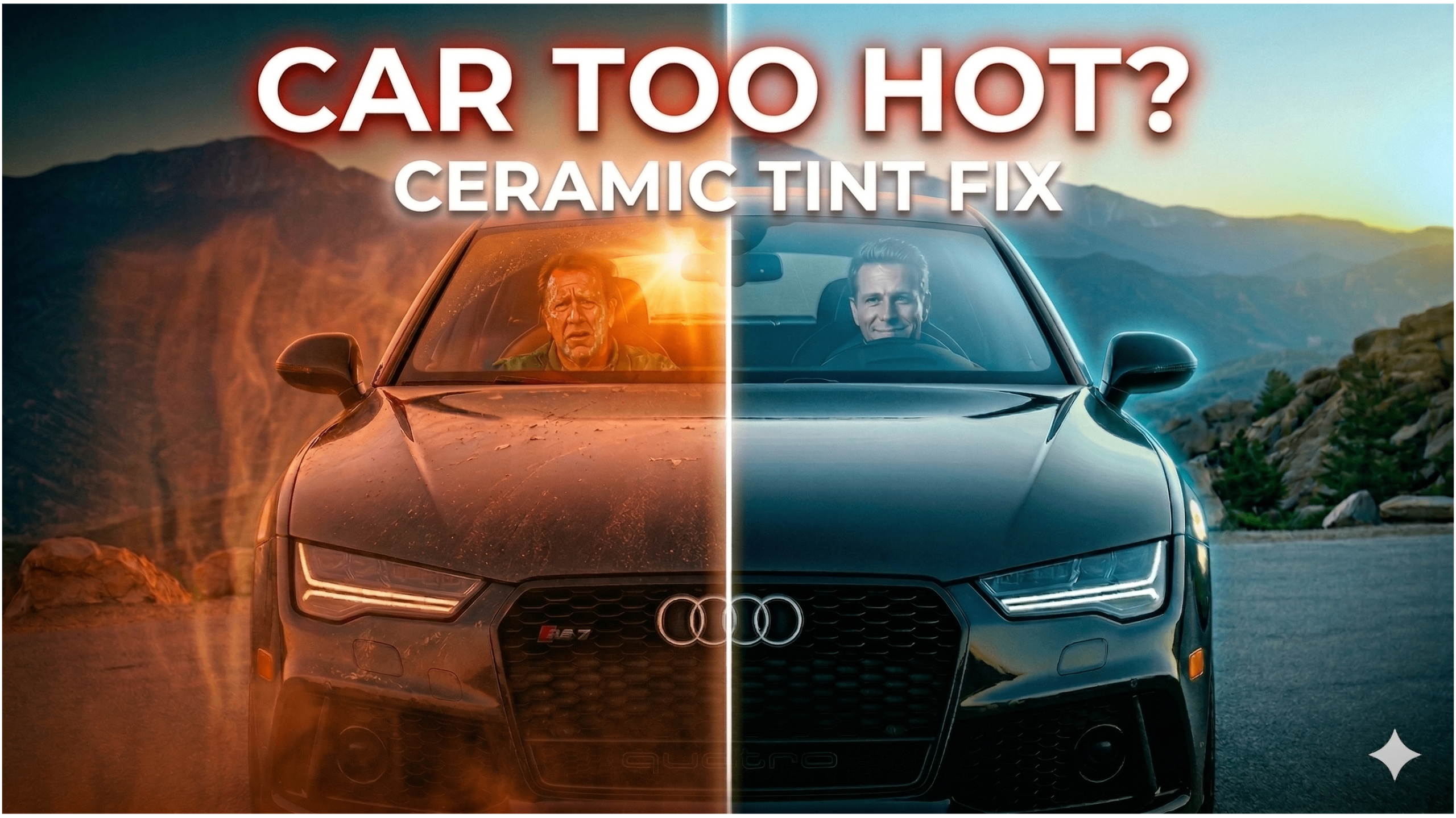
Key Takeaways
- Ceramic tint blocks 95-99% of infrared heat while carbon tint only rejects 40-60%, making ceramic the superior choice for heat rejection
- Real-world testing shows ceramic tint keeps interiors up to 18°F cooler than carbon tint and significantly cooler than untinted glass
- Ceramic tints provide 99% UV protection while carbon tints offer 95-97%, with ceramic's non-metallic construction preventing interference with electronic signals
- Higher upfront ceramic costs are offset by long-term energy savings from reduced air conditioning usage
- Professional installation quality dramatically impacts performance regardless of which tint material you choose
Colorado Springs drivers face intense sun exposure year-round, making window tint selection vital for comfort and vehicle protection. The choice between ceramic and carbon window tint often comes down to heat rejection performance, but the differences extend far beyond simple temperature control.
Ceramic Blocks 95-99% IR Heat vs Carbon's 40-60%
The heat rejection gap between ceramic and carbon window tints is substantial. Ceramic tints reject 95-99% of infrared radiation, the primary heat source that makes car interiors uncomfortably hot. Carbon tints, while effective at blocking visible light, only manage to reject 40-60% of total solar energy.
This difference translates into real-world comfort. Infrared radiation passes through standard glass and carbon tint films, heating up surfaces inside the vehicle. Ceramic particles embedded in premium tint films create an effective barrier against this invisible heat source without the metallic components that can interfere with radio signals or GPS systems.
Elite Auto Pro, Colorado Springs' trusted window tint specialists, frequently demonstrates this heat rejection difference to customers using infrared lamps during consultations. Their testing consistently shows ceramic's superior performance in blocking the heat that makes Colorado summers unbearable inside vehicles.
How Ceramic Particles Beat Carbon Technology
Ceramic's Non-Metallic Heat Barrier
Ceramic window tint achieves superior heat rejection through microscopic ceramic particles that are non-conductive and non-metallic. These particles create a barrier that reflects infrared radiation back outside the vehicle rather than absorbing it. The ceramic particle structure maintains clarity while blocking heat-producing wavelengths.
This technology allows ceramic tints to stay cool to the touch even under direct sunlight. The film itself doesn't heat up significantly, preventing the interior surfaces from warming through conduction. The non-metallic composition ensures your smartphone, GPS, and satellite radio continue working without interference.
Carbon's Heat Absorption Problem
Carbon window tints work by absorbing solar energy through carbon particles embedded in the film. While this absorption blocks some heat from entering the cabin, it creates a secondary problem: the tint film itself becomes hot. This heated film then radiates warmth into the vehicle interior, reducing the overall cooling benefit.
Carbon's dark appearance comes from these heat-absorbing particles, which give the film its characteristic matte black finish. However, this same absorption mechanism limits carbon tint's heat rejection capabilities compared to ceramic's reflective approach. The absorbed heat must go somewhere, and much of it ends up warming the cabin air.
Real-World Colorado Springs Performance Tests
Up to 18°F Cooler Than Carbon Tint
Independent testing in sunny environments reveals ceramic tint's dramatic advantage. Vehicles with ceramic window tint maintain interior temperatures up to 18 degrees Fahrenheit cooler than those with carbon or dyed tints under identical conditions. This temperature difference becomes immediately noticeable when entering a parked vehicle on hot Colorado afternoons.
The temperature difference isn't just about comfort—it represents significant energy savings. Lower interior temperatures mean less work for air conditioning systems, reducing fuel consumption and extending AC component life. For Colorado Springs drivers who park outdoors regularly, this performance gap justifies ceramic tint's higher upfront cost.
Significant Reduction vs Untinted Glass
When compared to completely untinted windows, quality ceramic tint can reduce interior temperatures by 13-18 degrees Fahrenheit. This dramatic reduction transforms unbearably hot vehicles into comfortable spaces within minutes of starting the air conditioning. The difference is especially pronounced on leather and vinyl surfaces that typically become scalding under direct sunlight.
This temperature control extends beyond passenger comfort. Lower interior temperatures protect dashboard materials, prevent upholstery fading, and reduce the expansion and contraction cycles that cause interior components to crack or warp over time.
AC System Strain Reduction
Ceramic tint's superior heat rejection directly translates to reduced air conditioning system strain. When interior temperatures start lower and heat buildup is minimized, AC systems reach target temperatures faster and cycle less frequently. This efficiency improvement reduces fuel consumption and extends compressor life.
The energy savings become particularly evident during Colorado's intense summer months when air conditioning systems work hardest. Vehicles with ceramic tint typically achieve comfortable interior temperatures significantly faster than those with carbon tint or no tint at all.
Beyond Heat: UV Protection Comparison
Superior UV Blocking with Ceramic
Ceramic window tints provide excellent UV protection, blocking up to 99% of harmful ultraviolet rays. High-quality carbon tints also offer strong UV protection, typically blocking 95-97% of UV radiation. This protection level shields vehicle occupants from skin damage and prevents interior materials from fading, cracking, or deteriorating due to UV exposure.
Both materials effectively filter out UVA and UVB radiation that causes long-term damage to both people and vehicle interiors. Either option provides significantly better protection than untinted glass for health and preservation purposes.
Non-Metallic Signal Clarity Protection
Both ceramic and carbon tints feature non-metallic construction that provides a vital advantage for modern vehicles packed with electronic systems. Neither ceramic nor carbon films interfere with cell phone signals, GPS navigation, satellite radio, or wireless key fobs.
This signal transparency becomes increasingly important as vehicles integrate more wireless technologies. Both tint types eliminate connectivity concerns through their non-metallic particle composition, ensuring all electronic systems function properly.
Cost vs Long-Term Savings Analysis
Initial Investment Differences
Ceramic window tint typically costs more than carbon tint for equivalent coverage and darkness levels. This price difference reflects the advanced ceramic particle technology and more complex manufacturing processes required to produce ceramic films. Premium ceramic tint installations for most vehicles range from $400-800, while carbon tint typically costs $250-500.
The initial cost difference can seem significant, but it represents an investment in superior performance and longevity. Ceramic tints generally last longer than carbon films and maintain their heat rejection properties without degrading over time. The upfront premium pays dividends through years of enhanced comfort and energy savings.
Energy Savings Over Time
Ceramic tint's superior heat rejection translates into measurable fuel savings through reduced air conditioning usage. Studies suggest properly installed ceramic tint can reduce cooling costs by 15-25% during hot weather months compared to untinted vehicles or those with carbon tint.
For Colorado Springs drivers who use their vehicles daily during summer months, these energy savings help offset ceramic tint's higher upfront cost over time. The savings continue accumulating throughout the tint's lifespan, which typically exceeds 10 years for quality ceramic films with proper maintenance.
Elite Auto Pro Delivers Professional Ceramic Installation
Professional installation quality significantly impacts tint performance regardless of material choice. Elite Auto Pro's experienced technicians understand the precise techniques required for ceramic tint application, including proper surface preparation, bubble-free installation, and edge sealing that prevents peeling or lifting.
The shop's commitment to precision installation ensures ceramic tint performs at its maximum heat rejection potential. Improper installation can significantly reduce heat rejection effectiveness, making professional expertise vital for realizing ceramic tint's full benefits. Their attention to detail during the curing process guarantees optimal adhesion and longevity.
Customer testimonials consistently highlight Elite Auto Pro's thorough approach to ceramic tint installation, from initial consultation through post-installation care instructions. Their expertise ensures Colorado Springs drivers get maximum value from their ceramic tint investment through proper application and realistic performance expectations.
For Colorado Springs drivers seeking maximum heat rejection and long-term value, Elite Auto Pro provides expert ceramic tint installation backed by years of experience at EliteAutoProColoradoSprings.com.
Elite Auto Pro
City: Colorado Springs
Address: 949 Elkton Rd
Website: https://eliteautoprocoloradosprings.com
Comments
Post a Comment