Can You Whiten Your Teeth While Wearing Braces? What Works & What to Avoid
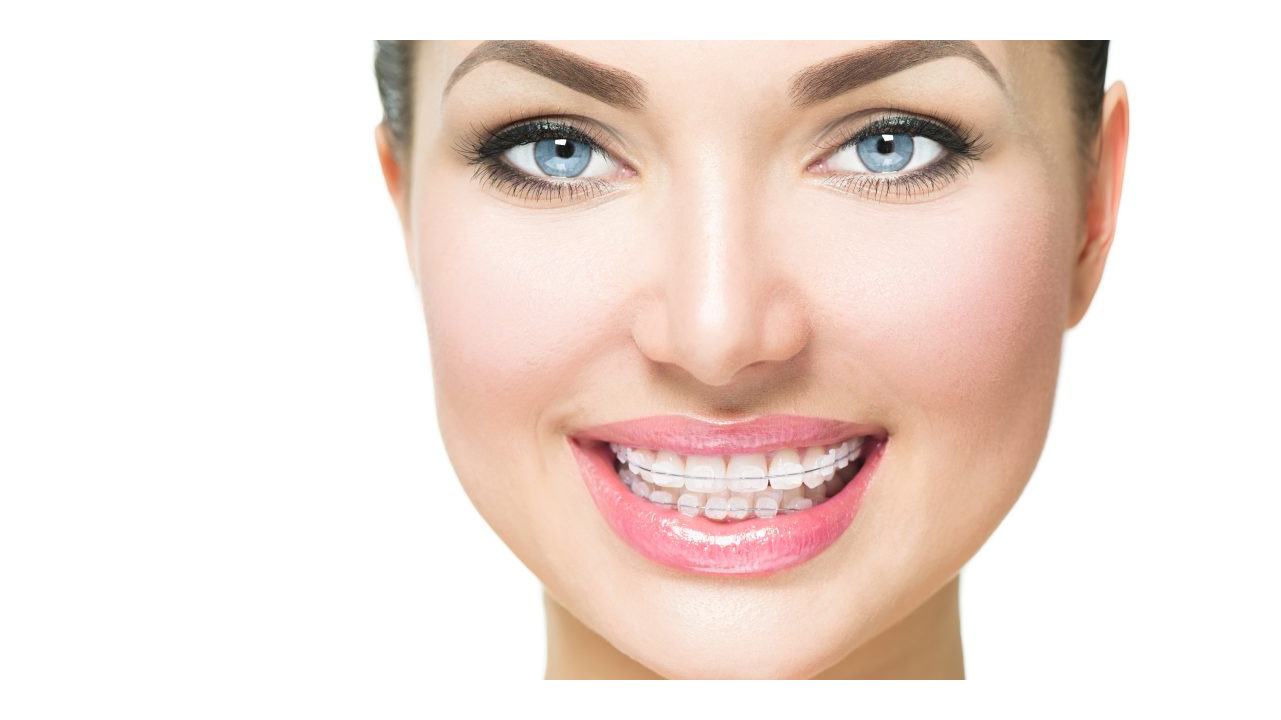
Key Takeaways
- Traditional whitening methods like strips and trays don't work effectively with braces because they can't reach areas covered by brackets, potentially creating uneven results.
- Safe whitening options for braces wearers include orthodontist-approved gentle whitening toothpastes (especially fluoride-based and non-abrasive ones), professional cleanings, and approved gentle home remedies that won't damage orthodontic appliances.
- Professional bleaching treatments should be delayed until after braces removal to ensure uniform whitening results across all tooth surfaces.
- Preventing stains through proper oral hygiene and dietary choices is more effective than trying to remove them while wearing braces.
- The best whitening results come after orthodontic treatment is complete, when all tooth surfaces are accessible for even treatment.
Getting braces is a significant step toward achieving a straight, beautiful smile. However, many orthodontic patients wonder whether they can maintain or improve their teeth's whiteness during treatment. While wearing braces does present unique challenges for teeth whitening, there are safe and effective methods available that won't compromise orthodontic progress.
Why Traditional Whitening Methods Don't Work with Braces
Traditional metal braces create a fundamental problem for conventional whitening approaches. The brackets and wires cover significant portions of each tooth's surface, preventing whitening agents from reaching these areas uniformly. When whitening strips or bleaching gels are applied to teeth with braces, only the exposed tooth surfaces receive treatment.
This selective whitening creates a two-toned appearance that becomes apparent once braces are removed. The areas that were covered by brackets remain their original color, while the exposed sections become noticeably whiter. Holistic health publisher Valleant's detailed guide on teeth whitening with braces emphasizes that achieving uniform results requires patience and the right approach.
Interestingly, some whitening agents like peroxide can penetrate tooth enamel and potentially whiten areas beneath brackets to some degree. However, the results remain unpredictable and often uneven, making this approach unsuitable for achieving the consistent brightness most people desire.
Methods to Maintain Brightness and Prevent Stains While Wearing Braces
1. Whitening Toothpaste and Mouthwashes for Surface Stains
Orthodontist-approved gentle whitening toothpastes, particularly those with fluoride and non-abrasive formulas, represent a safe daily option for maintaining tooth brightness with braces. These products work by using mild abrasives and gentle chemical agents to remove surface stains without interfering with orthodontic appliances. Colgate Total Whitening Toothpaste and Sensodyne Pronamel Gentle Whitening Toothpaste are recommended options that contain fluoride while being non-abrasive enough for braces wearers.
When selecting whitening toothpaste, look for products bearing the American Dental Association (ADA) Seal of Acceptance. This certification indicates that the product meets safety and effectiveness standards, providing peace of mind for orthodontic patients. Fluoride-based formulations are particularly important for preventing decalcification and white spots around brackets.
Whitening mouthwashes can complement toothpaste by reaching areas that brushing might miss. These rinses help remove debris around braces while providing gradual whitening benefits. Use them as directed, typically swishing for 30 seconds after brushing and flossing.
2. Professional Dental Cleanings for Plaque and Tartar Removal
Professional dental cleanings every six months become even more critical when wearing braces. Dental hygienists use specialized tools to remove plaque and tartar buildup in areas that regular brushing cannot reach effectively. This thorough cleaning prevents stain-causing bacteria from accumulating around brackets and wires.
During these appointments, hygienists perform scaling to remove hardened deposits and polishing to eliminate surface stains. They often use interdental brushes and floss threaders to clean between teeth and around orthodontic appliances. Electric toothbrushes are particularly effective for daily maintenance, as they can remove plaque and surface stains more efficiently than manual brushing around braces.
Many dental offices also offer fluoride treatments following cleanings. These treatments strengthen tooth enamel and help prevent the demineralization that can occur around brackets, maintaining both tooth health and appearance throughout orthodontic treatment.
3. Gentle Home Remedies with Orthodontist Approval
Certain home remedies can be safely used with braces, but only with professional approval. Baking soda mixed with water creates a gentle paste that can help remove surface stains when used sparingly. Limit this method to once weekly to prevent enamel erosion, and apply it carefully around brackets using a soft-bristled toothbrush.
Diluted hydrogen peroxide (equal parts water and 3% hydrogen peroxide) can serve as an occasional mouthwash to kill bacteria and provide mild whitening effects. Use this solution no more than 2-3 times weekly and rinse for about 30-60 seconds to avoid irritation.
Natural whitening foods like crunchy vegetables (carrots, celery) and fruits (apples) can help scrub tooth surfaces naturally while providing nutritional benefits. However, always brush thoroughly after eating to remove any particles that might get trapped around braces.
What to Avoid: Risky Whitening Approaches
Whitening Strips and Trays with Traditional Metal Braces
Whitening strips and custom trays are completely unsuitable for traditional braces. These products cannot conform to the irregular surface created by brackets and wires, leaving significant areas untreated. Even if some whitening agent reaches the teeth, the uneven application creates a patchy appearance that becomes pronounced after braces removal.
Additionally, the adhesive on whitening strips can potentially damage bracket bonds or leave residue that's difficult to remove. The chemicals in these products may also interact unpredictably with orthodontic materials, potentially causing discoloration of the braces themselves.
Over-the-counter whitening trays pose similar problems, as they cannot accommodate the three-dimensional nature of braces. The poor fit allows whitening gel to leak onto gums, increasing the risk of irritation and sensitivity.
Professional Bleaching Treatments During Orthodontic Care
Dental professionals typically advise waiting until after braces removal before pursuing professional whitening treatments. While it's theoretically possible for dentists to work around braces, the results remain unpredictable and often require touch-ups after orthodontic treatment concludes.
Professional bleaching agents are more concentrated than over-the-counter products, potentially causing greater sensitivity when used with braces. The constant pressure from orthodontic appliances can temporarily make tooth enamel more porous or sensitive, making teeth more susceptible to chemical damage or increased sensitivity during whitening treatments.
Some whitening products contain harsh chemicals that can interact with orthodontic adhesives or cause gum irritation when trapped around brackets. Professional treatments are most effective when applied to fully accessible tooth surfaces, making post-braces timing optimal for uniform results.
Preventing Stains During Orthodontic Treatment
1. Foods and Drinks to Limit
Prevention proves more effective than treatment when it comes to maintaining tooth color with braces. Certain foods and beverages pose particular staining risks and should be consumed sparingly. Coffee, tea, red wine, and dark sodas top the list of staining culprits, as their pigments can discolor both tooth enamel and the elastic ties on braces.
Dark sauces present hidden staining risks that many people overlook. Soy sauce, balsamic vinegar, tomato sauce, and curry can all contribute to discoloration over time. Berries, while nutritious, contain natural pigments that can stain teeth, particularly when consumed frequently.
Highly acidic beverages like citrus juices and sports drinks don't just stain - they can weaken enamel, making teeth more susceptible to discoloration from other sources. When consuming these items is unavoidable, timing and technique matter significantly.
2. Oral Hygiene Routine
A strict oral hygiene routine becomes non-negotiable when wearing braces. Brush with fluoride toothpaste after every meal using a soft-bristled toothbrush angled at 45 degrees to clean around brackets and along the gum line. This prevents food particles and bacteria from creating stains around orthodontic appliances.
Daily flossing with specialized tools like floss threaders or water flossers removes debris from areas that brushing cannot reach. Waxed floss slides more easily around braces and is less likely to shred on orthodontic hardware. Target the areas between brackets and along the gum line where staining bacteria typically accumulate.
An antibacterial mouthwash completes the cleaning routine by killing remaining bacteria and helping to prevent plaque buildup. Choose alcohol-free formulations to avoid dry mouth, which can actually increase staining risk by reducing saliva's natural cleaning action.
3. Smart Consumption Habits
When consuming staining beverages, using a straw helps direct liquid past teeth and braces, minimizing contact with enamel. Position the straw toward the back of the mouth for maximum effectiveness, and avoid swishing the liquid around before swallowing.
Timing consumption strategically can reduce staining impact. Drinking staining beverages quickly rather than sipping over extended periods limits exposure time. Following staining foods or drinks with water helps rinse away residual pigments before they can set into enamel.
Consider pairing staining foods with dairy products like milk or cheese, which help neutralize acids and provide calcium that can protect tooth enamel. These natural protective measures work alongside good hygiene habits to maintain tooth color throughout orthodontic treatment.
Post-Braces Whitening for Best Results
When to Start Whitening After Braces Removal
Patience proves vital when planning post-braces whitening. Dental professionals typically recommend waiting a minimum of 4-6 weeks, and sometimes up to six months, after braces removal before beginning any whitening treatment. This waiting period allows gums to heal from orthodontic treatment and enables tooth enamel to remineralize, reducing sensitivity and ensuring better whitening results.
During this recovery period, teeth may appear slightly discolored or uneven due to adhesive residue, plaque accumulation, or natural wear patterns that developed during treatment. This temporary appearance often motivates patients to rush into whitening, but premature treatment can cause unnecessary sensitivity and suboptimal results.
The enamel strengthening that occurs during this waiting period also helps whitening agents work more effectively and evenly. Teeth that have had time to recover from orthodontic pressure respond better to bleaching treatments and maintain their new color longer.
Professional vs. At-Home Options
Once the appropriate waiting period has passed, both professional and at-home whitening options become viable. Professional in-office treatments offer the most dramatic and immediate results, typically using higher concentrations of bleaching agents under controlled conditions. These treatments can lighten teeth several shades in a single appointment and often include custom-fitted trays for maintenance.
At-home whitening kits provide a more gradual approach with lower concentrations of active ingredients. Custom trays from a dentist offer better results than over-the-counter strips or universal trays, as they ensure even application across all tooth surfaces. Professional-grade take-home kits often produce results comparable to in-office treatments over a longer timeframe.
The choice between professional and at-home treatment often depends on desired timeline, budget, and sensitivity concerns. Professional treatments deliver faster results but at higher cost, while at-home options allow for more control over the process and timing. Many patients achieve optimal results by combining both approaches - starting with professional treatment for dramatic initial whitening, then maintaining results with periodic at-home touch-ups.
Achieve Your Brightest Smile Safely with Professional Guidance
Successfully whitening teeth while wearing braces requires a strategic approach that prioritizes safety and long-term results over quick fixes. The key lies in focusing on prevention and maintenance during orthodontic treatment, then pursuing whitening once braces are removed.
Working with dental professionals ensures that chosen methods won't interfere with orthodontic progress or cause unnecessary complications. Regular dental visits allow for monitoring of both orthodontic progress and tooth color, with adjustments to the care routine as needed.
The primary goal during orthodontic treatment is achieving proper tooth alignment. A beautiful, evenly white smile becomes much easier to achieve once teeth are properly positioned and all surfaces are accessible for uniform treatment. The patience invested in this approach pays dividends in the form of a truly stunning final result that combines straight, white teeth for maximum aesthetic impact.
Valleant
City: Austin
Address: 11320 North FM 620
Website: https://valleant.com


Comments
Post a Comment