CAD In Product Design: How To Turn Product Ideas Into Manufacturable Designs
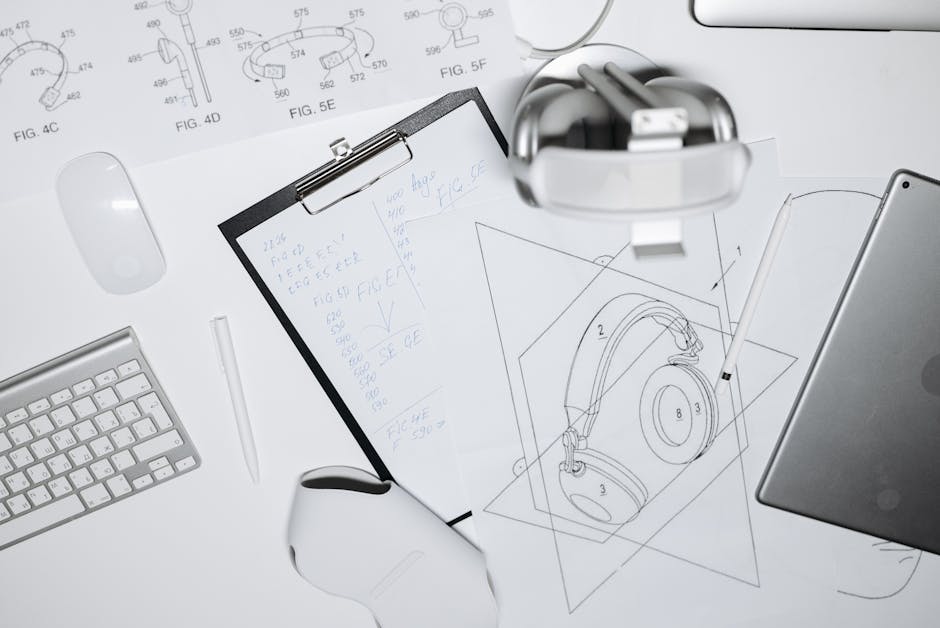
The journey from the initial product idea to manufacturable design requires more than creative vision, it demands precision, technical feasibility, and manufacturing compatibility. CAD software serves as the digital foundation that converts sketches and concepts into detailed 3D models with exact specifications. Unlike traditional drafting methods that rely on manual calculations and hand-drawn blueprints, CAD systems use mathematical algorithms to ensure every dimension, angle, and component relationship maintains perfect accuracy.
Modern CAD platforms enable designers to visualize products in ways that were impossible with paper-based methods. Engineers can rotate 3D models to examine complex assemblies from any angle, zoom into microscopic details, and instantly modify components while maintaining design integrity throughout the entire model. This visualization capability becomes particularly important when developing intricate products like aerospace components, where precise tolerances determine whether parts fit together correctly in the final assembly.
The software also incorporates real-world physics and material properties into design calculations, allowing teams to understand how products will behave under actual operating conditions. When designing a new automotive component, for example, CAD systems can simulate stress patterns, thermal expansion, and fatigue resistance before any physical prototype exists. This predictive capability transforms the development process from reactive problem-solving to proactive optimization.
Benefits of CAD for Product Development
1. Precision and Accuracy Superior to Manual Drafting
CAD systems deliver measurement accuracy that surpasses human capabilities by significant margins. Where manual drafting might achieve millimeter-level precision under ideal conditions, CAD software maintains mathematical exactness to virtually unlimited decimal places. This precision becomes critical in industries like medical device manufacturing, where component tolerances directly impact patient safety and device functionality.
The software includes built-in error detection mechanisms that flag potential design conflicts automatically. When engineers modify one component, the system immediately identifies any interference with surrounding parts, preventing costly mistakes that might not surface until physical testing begins. Advanced CAD platforms also incorporate Design for Manufacturability features that analyze designs in real-time, highlighting elements that might prove challenging or expensive to produce with specific manufacturing processes.
2. Virtual Testing and Simulation Capabilities
Modern CAD software transforms product testing from a purely physical process to a virtual environment. Engineers can subject their designs to stress analysis, thermal simulations, vibration testing, and motion studies without building a single prototype. These simulation capabilities allow teams to test extreme operating conditions that would be dangerous or expensive to recreate in physical testing environments.
Virtual prototyping through CAD simulation identifies potential failure points early in the design cycle, when modifications remain relatively inexpensive and simple to implement. Companies like Rabbit Product Design use these mechanical design capabilities to optimize product performance before manufacturing begins. The ability to test multiple design iterations virtually accelerates the development timeline while reducing material waste from physical prototype cycles.
3. Rapid Iteration and Design Refinement
CAD software enables instantaneous design modifications that would require hours or days using traditional methods. Engineers can adjust dimensions, swap materials, or completely redesign components with a few clicks, immediately seeing how changes affect the overall product architecture. This rapid iteration capability encourages experimental approaches that lead to innovative solutions.
The parametric modeling features in advanced CAD systems create intelligent relationships between design elements. When engineers modify a key dimension, all related components automatically adjust to maintain proper fit and function. This interconnected approach ensures design consistency while enabling rapid testing of alternative configurations and optimization strategies.
CAD-CAM Integration for Seamless Manufacturing
Direct Manufacturing Integration and Tool Path Optimization
Fully integrated CAD-CAM software operates from single model design data, eliminating file translation errors that commonly occur when transferring designs between separate systems. This direct integration enables automatic generation of machining instructions, tool paths, and manufacturing sequences directly from the original design files. The seamless connection between design and production significantly shortens lead times while reducing human error throughout the manufacturing workflow.
Advanced CAM integration optimizes tool paths for specific manufacturing equipment, considering factors like material properties, cutting speeds, and machine limitations. The software can automatically generate the most efficient routing strategies that minimize production time while maintaining quality standards. This optimization directly contributes to cost savings through reduced machine time, lower tool wear, and decreased material waste during the production process.
Design for Manufacturability Features
Modern CAD platforms incorporate sophisticated Design for Manufacturability analysis that evaluates designs against specific production methods in real-time. The software identifies potential manufacturing challenges like undercuts that require complex tooling, wall thicknesses that might cause molding defects, or tolerances that exceed standard machining capabilities. This immediate feedback allows engineers to adjust designs for optimal manufacturability before finalizing specifications.
These DFM features extend beyond basic geometric analysis to include cost estimation tools that help teams understand the financial implications of design decisions. Engineers can compare different material choices, manufacturing processes, and design approaches to identify the most cost-effective solutions that still meet performance requirements. This integrated approach ensures that innovative designs remain economically viable for production.
Cost Reduction Through Virtual Prototyping
Eliminating Physical Prototyping Waste
Traditional product development cycles often require multiple physical prototypes to test different design concepts and iterations. CAD virtual prototyping dramatically reduces this dependency by enabling testing and validation in digital environments. Teams can test dozens of design variations without consuming materials or machine time, identifying optimal solutions before committing resources to physical builds.
The environmental and economic benefits of reduced physical prototyping extend beyond immediate material savings. Companies eliminate storage requirements for prototype inventory, reduce shipping costs for prototype distribution to stakeholders, and minimize the time delays associated with prototype manufacturing cycles. This streamlined approach accelerates overall development timelines while reducing the total cost of bringing products to market.
Early Error Detection and Prevention
CAD software includes automated checking systems that identify design errors throughout the development process, preventing costly mistakes from progressing to manufacturing stages. The software flags issues like interference between moving parts, insufficient clearances for assembly, or violations of manufacturing constraints before teams invest in tooling or production setup.
Machine learning integration in modern CAD tools provides predictive analysis that suggests potential manufacturing issues based on historical data and design patterns. These intelligent systems learn from previous projects to offer real-time recommendations for improving manufacturability and reducing production risks. Early detection and prevention of design flaws can save thousands of dollars in tooling changes and production delays.
Collaboration and Documentation
Real-Time Team Collaboration Across Locations
Cloud-based CAD technology enables distributed teams to work simultaneously on the same design files from any global location. Multiple engineers can access live models, make modifications, and see updates in real-time, eliminating the version control issues that plague traditional file-sharing approaches. This collaborative capability becomes especially valuable for companies working with international manufacturing partners or distributed engineering teams.
The software maintains detailed revision histories that track all changes made by team members, including timestamps and modification descriptions. This tracking ensures accountability while providing the ability to revert to previous design versions if needed. Communication tools integrated within CAD platforms allow team members to add comments, annotations, and review notes directly to specific design elements.
Manufacturing Documentation
CAD systems automatically generate detailed manufacturing documentation, including technical drawings, bill of materials, assembly instructions, and quality control specifications. This documentation package ensures that manufacturers have all the necessary information to produce components according to design intent. The automated nature of this documentation generation eliminates manual drafting errors while ensuring consistency across all project files.
Industry standards compliance features help teams maintain adherence to regulations like ASME Y14.100 for Engineering Drawing Practices and various ISO standards. These compliance tools provide templates, checking mechanisms, and formatting guidelines that ensure documentation meets industry requirements for professional manufacturing environments. Proper documentation standards facilitate smoother information exchange between organizations and manufacturing platforms.
CAD Accelerates Your Path From Concept to Market
The cumulative benefits of CAD implementation create significant competitive advantages for product development organizations. Companies utilizing CAD workflows consistently achieve faster time-to-market compared to teams relying on traditional development methods. The combination of virtual testing, rapid iteration, manufacturing integration, and collaborative capabilities compresses development cycles while improving final product quality.
The integration of emerging technologies like artificial intelligence and machine learning into CAD platforms promises even greater efficiency gains in future development cycles. These intelligent systems offer real-time feedback on design modifications, suggest optimal parameters for performance and manufacturability, and predict potential manufacturing issues before they occur. This technological evolution continues to minimize rework and waste while maximizing innovation potential.
Rabbit Product Design
City: Palo Alto
Address: 2100 Geng Rd Ste 210
Website: https://www.rabbitproductdesign.com/


Comments
Post a Comment