Best Way To Soothe Sunburn & Limit Peeling: Proven Post-Sun Relief & Recovery
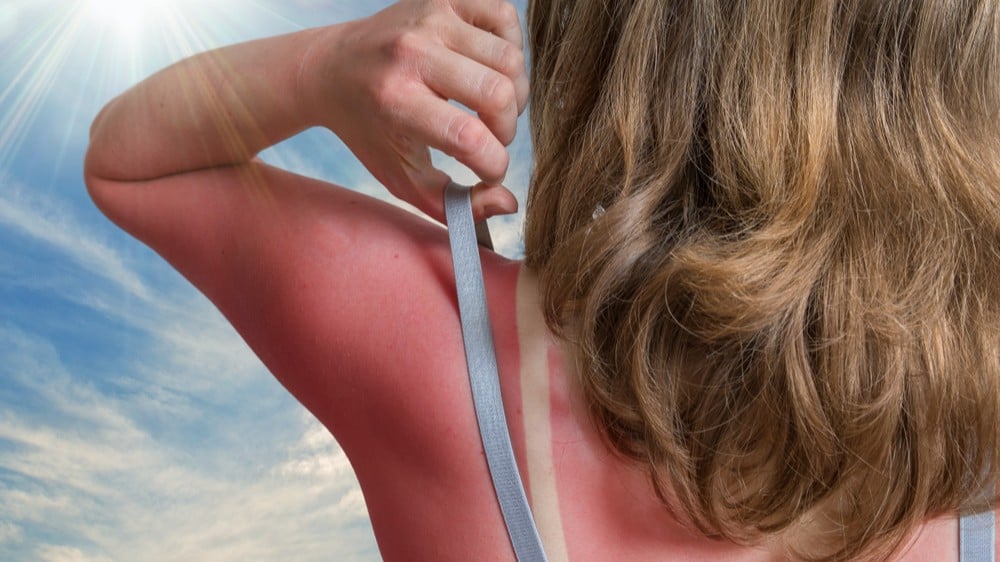
A great day in the sun can turn into a painful night fast. One minute, everything feels fine. A few hours later, your skin is hot, tight, and starting to sting. By the next day, the redness sets in. Then comes the peeling.
It happens more often than you'd think. According to the American Academy of Dermatology, 35% of Americans experienced sunburn in 2024. Fewer than 34% use sunscreen regularly, and only 1 in 3 who do remember to reapply every 2 hours.
Sunburn isn't just surface-level damage. It's your skin reacting to UV exposure, and what you do in the first few hours makes a big difference in how it heals.
If you handle it right early on, you can reduce pain, speed up recovery, and even limit peeling. Here’s how to do it properly.
Why Sunburn Gets Worse After the Sun
A sunburn is an inflammatory response to UV radiation damaging the outer layer of your skin cells.
When you spend too much time in the sun without adequate protection, ultraviolet rays penetrate the epidermis and cause cellular damage. Your body responds with inflammation, which is why sunburned skin turns red, feels hot to the touch, and hurts.
The peeling that follows a few days later is your body's way of shedding those dry, damaged cells. New skin forms underneath, and the old, compromised layer sloughs off. The worse the burn, the more dramatic the peel.
There's another thing happening that most people don't realize: sunburn draws fluid to the skin's surface and away from the rest of your body. That's why you might feel extra thirsty, tired, or even slightly lightheaded after a bad burn. You're dehydrated from the inside out.
Severity depends on a few factors—how long you were exposed, the intensity of the UV rays, and your skin type. People with less melanin burn more easily, but no one is immune. Everyone can burn with enough exposure.
First Moves: What To Do Immediately
The moment you notice your skin is burning, get out of the sun. Go indoors if possible.
Next, it's vital to cool the skin to reduce inflammation and give quick relief. The key is “cool,” not ice-cold. Extreme cold can shock the skin and make things worse. Short, gentle cooling sessions work best. A cool compress or cool shower can help, and a wearable hydrogel can extend and enhance that cooling effect.
This cooling doesn’t fix the burn, but it slows the inflammatory response and makes everything else more effective.
Lock In Hydration Early
This is where most people get it wrong. They apply something once, feel a bit better, and stop there. But sunburned skin loses moisture fast. If that hydration isn’t maintained, the skin dries out, tightens, and eventually peels.
Traditional aloe gels, lotions, or creams may help, but they tend to evaporate quickly. That means the cooling effect fades fast - along with their benefit.
What works better is sustained contact. While gels, lotions, and creams provide short-term relief, a wearable aloe hydrogel wrap keeps moisture against the skin for longer periods. That continuous hydration helps calm irritation and supports the skin’s natural repair process. The longer the skin stays hydrated, the better it recovers.
Avoid Anything That Dries the Skin
Certain products can make sunburn worse without you realizing it. Alcohol-based products, heavily fragranced lotions, or harsh soaps can strip moisture and increase irritation.
Stick with gentle, simple formulations designed for sensitive or damaged skin. Ingredients like aloe can help soothe and hydrate, while antioxidants such as vitamin E and botanical extracts like green or black tea may help calm irritation and support the skin as it recovers. Even small choices here can affect how quickly your skin settles down.
Drink More Water Than Usual
Sunburn doesn’t just dry out your skin. It affects your whole body.
Your body pulls fluids toward the damaged skin to help repair it. That means you need more hydration overall.
Drinking more water supports that process from the inside. It won’t replace topical care, but it helps everything work better.
Know When It’s More Than a Mild Burn
Most sunburns can be managed at home. But some cases need more attention.
If you’re dealing with severe blistering, intense pain, fever, or dizziness, it may go beyond a typical burn. In those cases, getting medical advice is the safer move.
Why Peeling Happens (And How to Reduce It)
Peeling is your body's way of getting rid of damaged cells. It's part of the healing process, and in many cases, it can't be completely prevented. But you can reduce how much you peel and how uncomfortable it gets.
The key is hydration, both internal and external. Drink plenty of water and keep your skin moisturized from the moment you notice a burn. The drier your skin gets, the more dramatic the peeling will be.
Continue moisturizing even after the initial redness fades. The peeling phase often starts several days after the burn itself, and consistent hydration throughout that period makes a difference.
Never peel or pick at your skin, no matter how tempting it is. Pulling off dead skin before it's ready can expose raw skin underneath, slow healing, and increase your risk of infection. Let it fall off naturally.
Avoid exfoliants, scrubs, and retinoids until your skin has fully healed. These products are too harsh for compromised skin and can cause further irritation.
Protecting Yourself Next Time
The best sunburn treatment is prevention. Use a broad-spectrum sunscreen with SPF 30 or higher every time you're going to be outdoors. Broad-spectrum means it protects against both UVA and UVB rays.
Reapply every two hours, more often if you're swimming, sweating, or toweling off. Sunscreen effectiveness fades over time, and most people don't use enough to begin with.
Seek shade during peak sun hours, typically between 10am and 4pm, when UV rays are strongest.
Wear protective clothing, a wide-brimmed hat, and sunglasses with UV protection. Physical barriers are often more reliable than sunscreen alone.
Finally, sunburn is common. The good news, though, is that when a burn does happen, you have real options. Cool your skin, hydrate your body, use the right topical treatments, and give your skin the time and care it needs to recover.
Early, consistent treatment makes a noticeable difference, not just in comfort, but in how your skin heals.
TermaBurn
City: Norristown
Address: 1920 W Marshall St
Website: https://www.termaburn.com


Comments
Post a Comment