Best Toppings Pizza Oven: New Homemade Supreme Flavor Guide
Key Takeaways
- Supreme pizza success in high-heat ovens requires strategic moisture control - pre-cook high-water vegetables and use low-moisture mozzarella to prevent soggy crust
- Proper layering order creates restaurant-quality results - cheese as a moisture barrier, meats lower, vegetables on top for even cooking in 60-90 seconds
- Creative topping combinations can transform traditional supreme recipes - think hot honey drizzles, roasted vegetables, and unique cheese blends for elevated flavors
- Common supreme pizza disasters are easily preventable with the right techniques for rotation, timing, and ingredient preparation
- Home pizza ovens unlock flavor potential impossible with standard ovens - achieving crispy crusts with blistered toppings and professional char marks
Creating the perfect supreme pizza at home transforms from a soggy disappointment into a restaurant-quality masterpiece when using the right techniques. High-heat pizza ovens present unique opportunities and challenges that standard home ovens simply cannot match, demanding specialized approaches for loaded pizzas packed with multiple meats, vegetables, and cheese.
What Makes Supreme Pizza a Unique Challenge (and Opportunity) for High-Heat Ovens
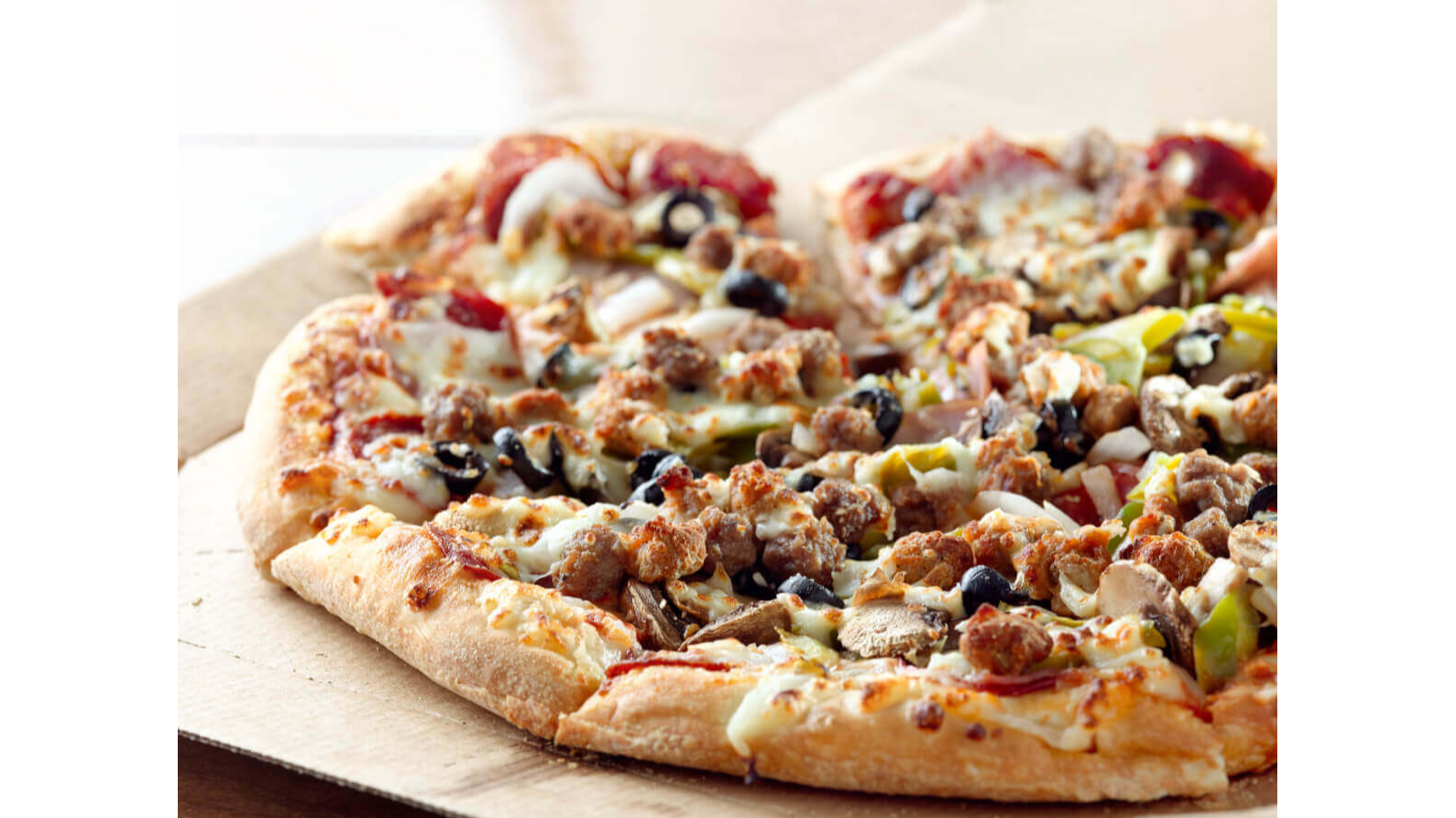
Supreme pizzas represent the ultimate test for any pizza maker - combining pepperoni, Italian sausage, bell peppers, onions, mushrooms, and black olives while maintaining structural integrity. In high-heat pizza ovens operating at 700-900°F, this loaded combination creates distinct advantages and potential pitfalls that don't exist in conventional cooking.
The intense heat creates beautifully blistered crusts and charred spots on toppings - hallmarks of professionally made supreme pizzas that standard home ovens struggle to achieve. However, this same rapid cooking environment means toppings must be perfectly prepared beforehand, as there's insufficient time for raw vegetables to cook through or excess moisture to evaporate during the typical 60-90 second bake time.
Understanding moisture management becomes critical when working with supreme combinations. Expert pizza oven techniques focus heavily on controlling water content from vegetables and meats, which can transform a promising supreme into a soggy disaster if not properly addressed.
Essential Supreme Topping Combinations That Actually Work
1. Classic Meat and Veggie Balance
The foundation of any successful supreme pizza starts with achieving the right balance between robust meats and fresh vegetables. Traditional combinations include pepperoni for spicy crisp edges paired with crumbled Italian sausage for juicy, herb-seasoned richness. These proteins work harmoniously with the classic vegetable trio: green bell peppers for grassy freshness, onions providing sweetness when cooked, and mushrooms offering earthy depth.
Proper meat preparation makes the difference between success and greasy failure. Pre-cooking Italian sausage and draining excess grease prevents the pizza from becoming heavy and oily. Pepperoni can be used as-is but should be sliced consistently thin for even cooking. The key lies in using just enough meat to provide richness without overwhelming the vegetable components that provide textural contrast and flavor balance.
2. Moisture-Controlled Vegetable Selections
High-moisture vegetables like mushrooms, bell peppers, and onions require special attention in pizza ovens. Thinly slicing these vegetables ensures they cook through quickly and evenly without releasing excessive water. Pre-cooking or roasting vegetables beforehand drives off moisture while concentrating flavors through caramelization - a technique that transforms supreme pizzas from good to exceptional.
Black olives add briny pops of flavor without moisture concerns, making them ideal for pizza oven cooking. When selecting bell peppers, consider using a mix of green and red varieties for both color contrast and subtle sweetness variations. The goal is creating vegetable components that support rather than compromise the overall pizza structure.
3. Strategic Cheese and Sauce Layering
Low-moisture mozzarella serves as the cornerstone of successful supreme pizzas, melting evenly without releasing excessive water that leads to soggy centers. Using cheese as a moisture barrier - placing it directly on the sauce before adding other toppings - protects the dough from becoming wet from vegetables and meats during the brief cooking time.
Strategic layering involves using approximately three-quarters of the total cheese as the base layer, with the remaining quarter sprinkled on top to help bind toppings and create appealing browning. A light dusting of grated Parmesan or Pecorino Romano after baking adds finishing depth that distinguishes homemade supreme pizzas from standard delivery versions.
High-Heat Pizza Oven Techniques for Loaded Pizzas
Pre-Cooking Methods for Problem Ingredients
Success with loaded supreme pizzas requires identifying and addressing "problem ingredients" before assembly. Mushrooms, bell peppers, and onions release significant water when heated, making pre-cooking essential for pizza oven success. A quick sauté with oil, salt, and garlic for 3-15 minutes (depending on vegetable type and desired tenderness) drives off moisture while developing caramelized flavors impossible to achieve during the brief pizza baking time.
Raw Italian sausage must be fully cooked and crumbled before use, as 90 seconds isn't sufficient time for raw meat to cook through safely. Draining rendered fat prevents grease pools that can make pizzas unappetizing. Even pepperoni benefits from brief pre-heating to render some fat, reducing the likelihood of grease accumulation during baking.
Optimal Layering Order for Even Cooking
The sequence of topping application directly impacts cooking success in high-heat environments. Start with a thin, even sauce layer leaving a half-inch border, followed by the majority of low-moisture mozzarella as a protective barrier. Cooked meats go next, allowing their flavors to meld with the cheese base while their juices support rather than overwhelm the pizza.
Pre-cooked vegetables layer on top of meats, where they receive direct radiant heat for optimal browning and char development. The final cheese sprinkle helps secure toppings while creating appetizing golden-brown spots. This order ensures even heat distribution and prevents the common problem of burnt edges with raw centers.
Rotation and Timing for Supreme Success
Proper rotation every 15-30 seconds ensures even cooking and charring across all diverse toppings on a supreme pizza. The intense heat requires constant attention, as loaded pizzas can go from perfectly cooked to burnt in seconds. Using a well-floured or semolina-dusted pizza peel prevents sticking during the crucial launch phase.
Timing becomes critical with heavily topped pizzas - they may require 30 seconds to 2 additional minutes beyond basic pizzas, depending on topping moisture content and thickness. Visual cues include bubbling cheese, light charring on vegetables, and a golden-brown crust with dark spots. Allowing the pizza to rest briefly after baking helps cheese set and prevents toppings from sliding off when sliced.
Preventing Common Supreme Pizza Disasters
1. Stopping Soggy Crust Before It Starts
Soggy crust represents the most common supreme pizza failure, caused by excess moisture seeping into the dough before it can properly crisp. Prevention starts with ingredient selection - using low-moisture mozzarella instead of fresh, pre-cooking high-water vegetables, and avoiding sauce overload. Even the best ingredients fail if applied too heavily.
Proper dough preparation includes ensuring room temperature before stretching and working on a well-floured surface. Cold dough doesn't crisp properly and creates uneven cooking. The pizza stone or oven floor must be thoroughly preheated - using an infrared thermometer helps verify proper temperature before launching heavily loaded pizzas.
2. Keeping Toppings from Sliding Off
Topping adhesion becomes challenging with loaded supreme pizzas, especially when ingredients aren't properly secured. The cheese barrier technique helps bind ingredients together, while avoiding overloading prevents excessive weight that causes sliding. Proper moisture control ensures toppings don't become slippery during cooking.
Building pizzas with slightly raised edges helps contain toppings, while strategic cheese placement creates "glue spots" that hold vegetables and meats in place. Avoiding sauce or wet ingredients on the pizza peel prevents launching difficulties that can cause topping displacement before cooking even begins.
3. Avoiding Burnt Edges with Raw Centers
Uneven cooking typically results from improper layering or inadequate rotation during baking. Thinner, more uniform topping distribution allows heat to penetrate evenly, while frequent rotation ensures all portions receive equal exposure to intense radiant heat. Positioning pizzas away from direct flame initially helps prevent immediate edge burning.
Temperature management becomes crucial - some loaded pizzas benefit from slightly reduced heat or positioning further from the fire source to allow centers to cook through before edges char excessively. Understanding the hot spots in specific ovens helps position pizzas optimally for even cooking.
New Homemade Supreme Flavor Upgrades
Creative Meat and Cheese Combinations
Modern supreme variations move beyond traditional pepperoni and sausage combinations by incorporating unique proteins and cheese blends. Consider adding crispy bacon bits for smokiness, or substitute spicy Italian sausage with milder varieties for family-friendly options. Ham or Canadian bacon provides different flavor profiles while maintaining the classic supreme heartiness.
Cheese experimentation transforms standard supreme recipes through blending low-moisture mozzarella with small amounts of provolone for sharpness or aged cheddar for complexity. A finishing touch of fresh ricotta dollops adds creamy richness, while a light Parmesan dusting provides umami depth that distinguishes homemade versions from commercial alternatives.
Finishing Touches That Transform Taste
Post-baking additions create the "new homemade supreme flavor" that sets exceptional pizzas apart. A drizzle of hot honey provides sweet-spicy contrast that balances rich meats and savory vegetables. Fresh basil leaves added immediately after baking maintain vibrant color and aromatic intensity impossible to achieve during high-heat cooking.
Creative finishing touches include chile crisp for heat and texture, truffle oil for luxury appeal, or herb-infused olive oils that complement specific vegetable combinations. These additions require timing - applied while pizza is still hot enough to warm them but not so hot as to diminish their distinct characteristics.
Master Restaurant-Quality Supreme Pizza at Home with Your Pizza Oven
Achieving restaurant-quality supreme pizza at home requires mastering the interplay between high-heat cooking, strategic ingredient preparation, and proper technique execution. The intense heat of pizza ovens creates crispy, blistered crusts with charred spots that distinguish exceptional pizzas from ordinary ones. Success comes from understanding that loaded pizzas demand more attention to moisture control, layering order, and timing than simple varieties.
The transformation from standard supreme to extraordinary involves working with the unique characteristics of pizza oven cooking while respecting the challenges that come with multiple toppings. Pre-cooking vegetables, using appropriate cheese types, and maintaining proper rotation schedules turn potential disasters into consistent successes. These techniques, combined with creative topping combinations and strategic finishing touches, enable home cooks to create supreme pizzas that rival professional establishments.
Consistent practice with these methods builds confidence and intuition for adjusting techniques based on specific ingredients, oven characteristics, and personal preferences. The goal isn't just replicating restaurant pizzas, but creating unique homemade pizza oven versions that showcase individual creativity while maintaining the fundamental balance that makes supreme pizzas universally appealing.
Transform your pizza nights into extraordinary culinary experiences with Crustify Pizza Ovens, the experts in high-performance outdoor pizza cooking equipment.
Crustify Pizza Ovens
City: Saint Johns
Address: 255 Rivertown Shops Dr 102 #141
Website: https://crustifypizzaovens.com/
Comments
Post a Comment