Best Equipment Trailers to Haul Heavy Equipment: Ideal Specifications Revealed
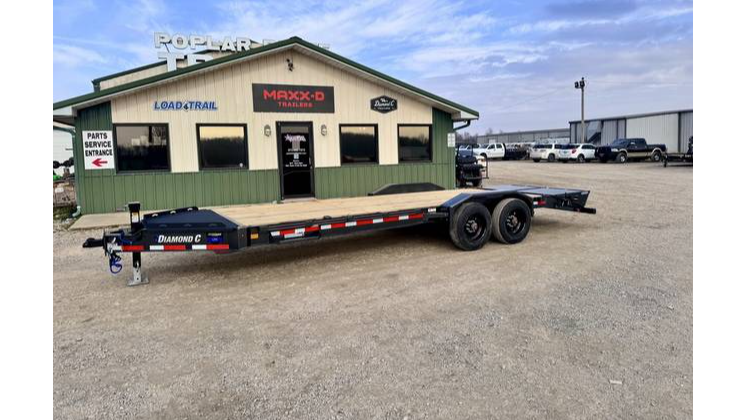
Key Takeaways:
- GVWR and axle capacity determine payload limits, not trailer width dimensions.
- 102-inch trailers provide maximum legal width without permits, offering better deck space for wide machinery.
- 83-inch trailers with removable fenders excel in tight spaces while still accommodating equipment up to 102 inches wide.
- Triple axle configurations can increase payload capacity by 7,000 pounds over dual axle setups.
- Proper load distribution and tongue weight calculation are critical safety factors regardless of trailer width.
Choosing between wide and narrow equipment trailers often comes down to a simple question: how much can it haul? Many contractors assume wider trailers automatically carry more weight. Don't make that mistake. The reality involves more complex engineering factors that directly impact your bottom line and job site efficiency.
GVWR Determines Payload Capacity, Not Width
The width of an equipment trailer doesn't determine its payload capacity. Instead, the Gross Vehicle Weight Rating (GVWR) sets the maximum safe operating weight, including both the trailer's empty weight and the cargo. This rating comes from the manufacturer's engineering specifications, primarily based on frame construction and axle capacity rather than deck dimensions.
Payload capacity equals GVWR minus the trailer's empty weight. A lightweight 83-inch trailer with a 14,000-pound GVWR might actually haul more cargo than a heavier 102-inch trailer with the same rating. The key difference lies in construction materials and design efficiency, not deck width.
102-Inch Trailers Offer More Deck Space, Same Weight Limits
Wide equipment trailers maximize usable deck space within legal transportation limits. Understanding these advantages helps contractors make informed decisions about their hauling needs.
Maximum Legal Width Without Permits
The 102-inch width represents the maximum legal trailer dimension for highway transport without special permits in most regions. This standard allows contractors to haul the widest possible equipment while maintaining compliance with Department of Transportation regulations. Exceeding this width triggers permit requirements, route restrictions, and escort vehicle mandates that significantly increase operating costs.
Full Deck Space for Wide Machinery
Larger excavators, bulldozers, and some other heavy equipment often approach or exceed 8 feet in width, while many compact excavators and skid steers are narrower. A 102-inch deck accommodates machinery up to its maximum legal width, helping to eliminate overhang concerns for equipment within those dimensions. This full containment improves load security and reduces the risk of equipment damage during transport.
Deckover Design Benefits
Deckover trailers provide a full 102-inch loading surface by placing the deck above the wheel wells. This design maximizes usable space but typically results in higher deck height, which can complicate loading and affect the overall transport height of tall equipment. The trade-off between deck space and loading convenience requires careful consideration based on the equipment being transported.
83-Inch Trailers: Ideal for Compact Equipment
Narrow equipment trailers excel in scenarios where maneuverability matters more than maximum deck space. These trailers offer distinct advantages for specific applications and equipment types.
Removable Fenders Expand Loading Options
Many 83-inch trailers feature removable or drive-over fenders that effectively expand the usable deck width. Equipment can extend beyond the nominal deck dimensions, allowing loads up to 102 inches wide while maintaining the trailer's compact footprint. This design provides flexibility for occasionally hauling wider equipment without sacrificing daily maneuverability.
The removable fender system also simplifies loading procedures for equipment with wide tracks or attachments. Operators can position machinery more precisely without worrying about fender clearance, reducing the risk of damage during loading and unloading operations.
Urban Job Site Advantages
Construction projects in urban environments often involve narrow streets, tight parking areas, and restricted access routes. An 83-inch trailer handles these challenges more easily than its wider counterpart, providing operational advantages in constrained spaces. The reduced width also improves visibility around the trailer, enhancing safety during backing and maneuvering operations.
Axle Capacity: The Real Weight Limit Factor
Axle configuration and capacity ratings have far more impact on payload capability than deck width. Understanding these specifications helps contractors maximize their hauling potential within safe operating limits.
Dual 7,000 lb vs Triple 7,000 lb Axles
A trailer with dual 7,000-pound axles provides a 14,000-pound GVWR, while triple 7,000-pound axles increase capacity to 21,000 pounds. This 7,000-pound difference in payload capacity significantly outweighs any width-related considerations. The additional axle also improves load distribution, reducing stress on individual components and improving overall trailer durability.
Triple axle configurations offer better weight distribution across the trailer length, which proves particularly beneficial when hauling equipment with concentrated weight points. The improved distribution reduces road wear and provides more stable towing characteristics, especially with uneven loads.
Load Distribution Requirements for Safety
Proper load positioning affects trailer performance and safety far more than width considerations. Understanding these requirements ensures safe operation regardless of trailer dimensions.
Proper Tongue Weight Calculation
Tongue weight should represent 10-15% of the total trailer weight for optimal towing stability. This calculation remains consistent whether using 83-inch or 102-inch trailers. Insufficient tongue weight causes dangerous trailer sway, while excessive weight overloads the tow vehicle's rear axle and reduces steering control.
Equipment positioning directly affects tongue weight distribution. Placing heavy machinery too far rearward reduces tongue weight below safe minimums, while positioning loads too far forward creates excessive tongue weight that compromises vehicle handling.
Equipment Positioning Rules
Heavy equipment should be positioned to balance weight across all trailer axles while maintaining proper tongue weight. On dual axle trailers, the load center should align approximately between the axles. Triple axle configurations allow more flexibility in positioning while maintaining balanced weight distribution.
Wider trailers provide more options for positioning equipment laterally, which can help achieve optimal weight distribution with irregularly shaped loads. However, proper fore-and-aft positioning remains the critical factor for safe operation.
Center of Gravity Considerations
Low center of gravity improves trailer stability regardless of width. Equipment with high profiles, such as excavators with raised booms, requires careful positioning to prevent rollover risks. The wider stance of 102-inch trailers provides marginally better stability for high center-of-gravity loads, but proper positioning and securing remain the primary safety factors.
Equipment Type Determines Your Best Width Choice
The specific machinery being transported should drive the width decision more than theoretical payload considerations. Different equipment types favor different trailer configurations based on their dimensions and operational requirements.
Compact excavators, skid steers, and similar equipment under 8 feet wide work well on either trailer width. The choice depends more on access requirements and frequency of transport than equipment dimensions. Mini excavators and compact track loaders particularly benefit from the maneuverability of 83-inch trailers when working urban job sites.
Larger excavators, bulldozers, and agricultural equipment approaching 102 inches in width require wide trailers for safe transport. Attempting to haul overwidth equipment on narrow trailers creates safety hazards and legal compliance issues that outweigh any operational benefits.
Multi-purpose contractors who haul various equipment types often prefer 102-inch trailers for their versatility. While these trailers sacrifice some maneuverability, they accommodate the widest range of equipment without requiring multiple trailer types. The operational simplicity of maintaining one trailer type often justifies the width trade-offs.
For specialized applications, such as utility work or landscaping with smaller equipment, 83-inch trailers provide optimal balance of capacity and maneuverability. These applications rarely require maximum deck width but frequently benefit from improved access to confined work areas. The bottom line? Consult with trailer dealers who understand the right model for the right job - especially if you want results.
Poplar Bluff Trailer
City: Poplar Bluff
Address: 135 Hwy T Suite B
Website: https://www.poplarblufftrailer.com/


Comments
Post a Comment