Best Cycling Cameras: How AI Radar Protects Bike Riders & Prevents Accidents
Key Takeaways
- AI-powered cycling cameras can detect threats up to 220 meters away, providing 6.2 seconds of warning time at highway speeds.
- Modern AI systems outperform traditional radar by classifying actual threats versus false alarms through machine learning algorithms.
- Advanced cycling cameras offer essential safety features including real-time hazard alerts, black box recording for legal protection, and smartphone integration.
- Edge computing technology enables smarter cycling cameras that calculate vehicle trajectories and significantly reduce false alerts.
- Installation compatibility across different bike types makes these safety systems accessible to all cyclists, from commuters to road racing enthusiasts.
The intersection of artificial intelligence and cycling safety has reached a critical milestone. Modern cyclists face unprecedented traffic density and distracted driving patterns that make traditional safety gear insufficient. Today's AI-powered cycling camera systems represent a significant leap forward in accident prevention technology. And the results are remarkable, experts say.
AI-Powered Cameras Detect Threats 220 Meters Behind Cyclists
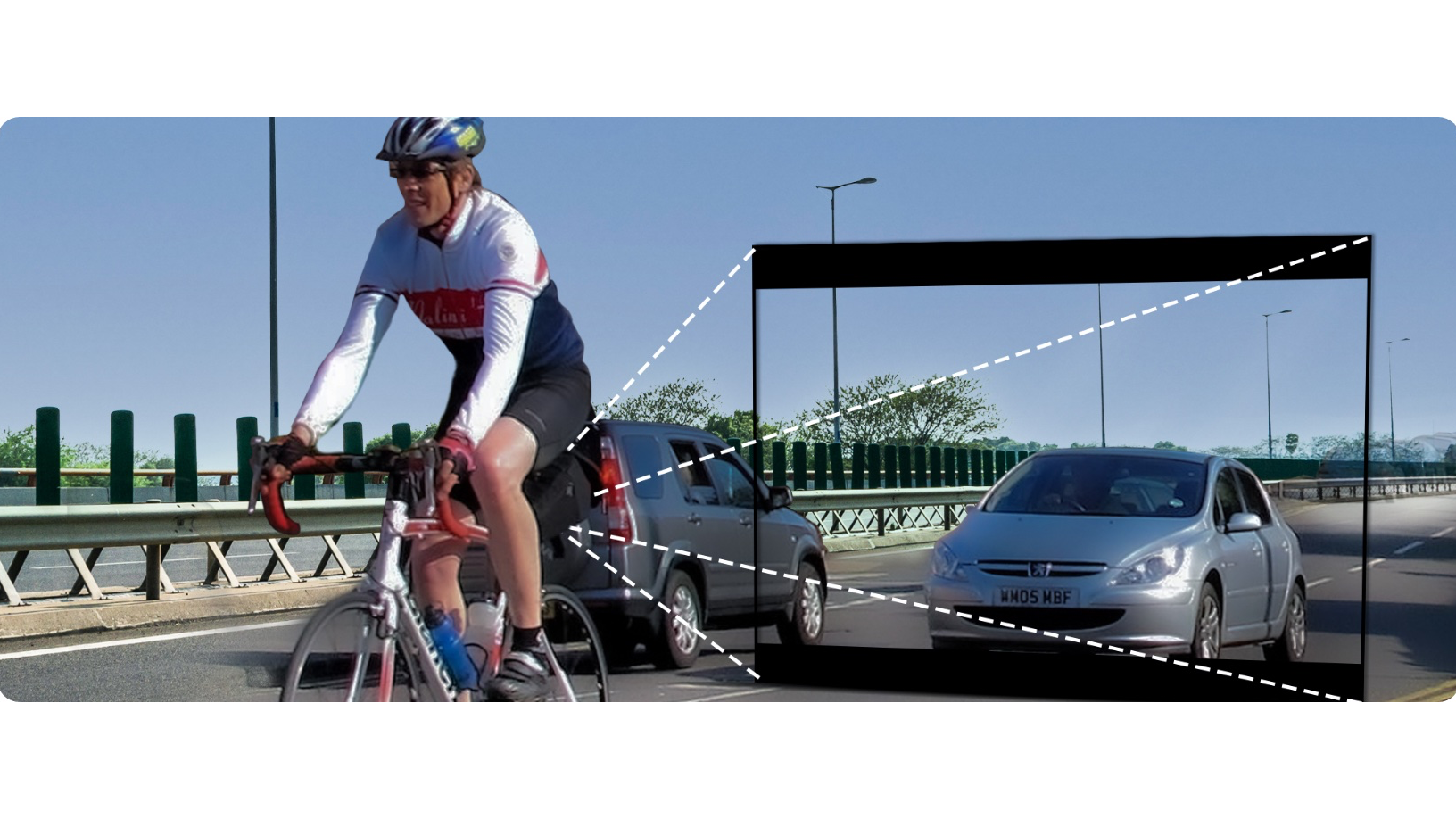
AI-powered cycling cameras are bolstering rider safety by detecting approaching vehicles at distances once thought impossible with conventional technology. These advanced systems use sophisticated computer vision algorithms to identify potential threats up to 220 meters away, providing cyclists with crucial early warning capabilities.
The detection range advantage becomes particularly significant when considering reaction times and vehicle speeds. At highway speeds of 80 mph, a 220-meter detection range translates to 6.2 seconds of warning time - over 1.5 times the reaction window provided by traditional radar systems. This extended timeframe allows cyclists to make informed decisions about lane positioning, finding safe areas to pull over, or alerting drivers to their presence through reactive lighting systems.
Companies like Hawkeye are pioneering this technology with systems that combine AI-powered threat classification with extended detection ranges, setting new standards for cycling safety equipment. Unlike basic movement detection systems, these cameras analyze visual data in real-time to distinguish between genuine threats and harmless background activity.
How Modern Technology Outperforms Traditional Bike Radar
1. AI Threat Classification vs Basic Movement Detection
Traditional bike radar systems operate on simple movement detection principles, alerting riders to any object approaching from behind regardless of actual threat level. This basic approach generates frequent false alarms from passing pedestrians, animals, or stationary objects that briefly enter the detection zone.
AI-powered systems change this approach by implementing intelligent threat classification. Machine learning algorithms analyze approaching objects based on size, speed, trajectory, and behavioral patterns to determine actual collision risk. This smart filtering significantly reduces false alerts compared to conventional radar, ensuring cyclists receive warnings only when genuine threats require attention.
2. Wide-Angle Coverage Eliminates Blind Spots
Conventional radar systems typically offer narrow detection angles, leaving dangerous blind spots on either side of the cyclist. Some modern AI camera systems, particularly Hawkeye, provide wide 220-degree coverage, monitoring the entire rear and side approach zones simultaneously.
This wide-angle coverage is especially valuable in complex traffic situations where vehicles may approach from diagonal angles during lane changes or intersection maneuvers. The expanded field of view ensures no approaching threat goes undetected, regardless of the angle of approach.
3. Extended Detection Range With Speed-Dependent Warning Times
Speed-dependent warning systems represent another significant advancement over traditional radar technology. These intelligent systems calculate approach speeds and adjust alert timing accordingly, providing longer warning periods for faster-approaching vehicles.
High-speed scenarios receive priority treatment, with the system extending detection ranges and accelerating alert sequences when vehicles approach at dangerous speeds. This dynamic adjustment ensures cyclists always receive adequate reaction time regardless of traffic conditions.
Essential Safety Features That Prevent Cycling Accidents
1. Real-Time Hazard Light Alerts
Integrated hazard lighting systems work in conjunction with AI detection to create highly visible warning displays for approaching drivers. These lights automatically activate and adjust intensity based on threat level, creating dynamic visual cues that dramatically improve cyclist visibility.
The reactive lighting responds instantaneously to detected threats, switching from standard visibility mode to emergency alert patterns within milliseconds. This rapid response ensures maximum driver awareness during those critical moments when accidents are most likely to occur.
2. Black Box Video Recording for Legal Protection
Continuous video recording capabilities provide essential legal protection for cyclists involved in accidents or near-miss incidents. These systems automatically lock and preserve footage during crash events, preventing data loss and ensuring critical evidence remains available for insurance claims or legal proceedings.
High-resolution recording captures license plates, driver behavior, and road conditions with sufficient clarity for legal documentation. The black box functionality operates independently of the threat detection system, ensuring incident coverage regardless of AI system status.
3. Android and iOS Mobile App Integration
Smartphone integration extends system functionality beyond basic threat detection, providing real-time monitoring, route tracking, and incident reporting capabilities. Mobile apps allow cyclists to customize alert preferences, review recorded footage, and share safety data with emergency contacts.
Cloud connectivity through mobile apps enables automatic backup of critical footage and provides remote system monitoring capabilities. Emergency contact integration can automatically notify designated contacts during serious incidents, adding an additional safety layer for solo riders.
Why Edge Computing Makes Cycling Cameras Smarter
Machine Learning Algorithms Calculate Vehicle Trajectories
Edge computing technology enables real-time processing of complex vehicle trajectory calculations directly within the cycling camera system. This local processing eliminates dependency on cellular connectivity while ensuring instantaneous threat assessment and response times.
Advanced algorithms analyze multiple data points including vehicle speed, direction changes, lane positioning, and acceleration patterns to predict collision probability. This sophisticated analysis enables the system to differentiate between vehicles simply passing by and those exhibiting potentially dangerous approach patterns.
Reduced False Alerts Through AI Classification
Machine learning models trained on thousands of traffic scenarios enable precise threat classification that dramatically reduces false alert frequency. The AI distinguishes between various object types including motorcycles, cars, trucks, emergency vehicles, and non-vehicular objects.
Continuous learning capabilities allow the system to adapt to local traffic patterns and environmental conditions, improving accuracy over time. This adaptive intelligence ensures optimal performance across diverse riding environments from urban commuting to rural road cycling.
Installation and Compatibility Across Bike Types
Modern AI-powered cycling cameras feature universal mounting systems designed to accommodate virtually any bicycle configuration. Multiple mounting options including seat post, seat stay, and rear rack attachments ensure compatibility with road bikes, mountain bikes, touring bikes, and e-bikes.
Installation typically requires no special tools or technical expertise, with most systems featuring quick-release mechanisms for easy removal when parking or storing bicycles. Adjustable mounting angles allow optimal camera positioning regardless of frame geometry or riding position.
Power integration varies by system, with options for rechargeable battery operation, dynamo integration, or e-bike electrical system connection. Battery life varies by system, with some offering 8-12 hours and others extending up to 24-30 hours for continuous operation, sufficient for most daily commuting and recreational riding scenarios.
Premium Safety Gear For Cyclists Is Available
The cycling safety equipment market now offers sophisticated AI-powered camera systems at various price points, making advanced protection accessible to serious cyclists. Premium features like extended detection ranges, advanced AI classification, and mobile app integration justify higher investment costs through significantly improved safety outcomes.
Professional cyclists, daily commuters, and safety-conscious recreational riders increasingly view AI-powered camera systems as essential equipment rather than optional accessories. The combination of threat detection, legal protection through video recording, and emergency notification capabilities provides safety coverage that traditional equipment cannot match.
Investment in premium cycling safety technology reflects the growing recognition that accident prevention technology saves lives and reduces long-term costs associated with cycling injuries. As AI technology continues advancing, these systems will become increasingly sophisticated and affordable, making advanced cyclist protection standard equipment.
Hawkeye
City: New York
Address: 1178 Broadway
Website: https://hawkeye.bike


Comments
Post a Comment