Benefits of Coworking Spaces: How to Stay More Active (and Boost Productivity)
Key Takeaways
- Coworking spaces integrate fitness amenities and movement-friendly design that make staying active during work hours effortless
- Strategic workspace features like standing desks can boost productivity by 46% while reducing mental fatigue
- Simple movement habits in shared workspaces—like walking phone calls and hourly position changes—enhance memory and critical thinking
- Community environments naturally sustain activity habits through social accountability and peer motivation
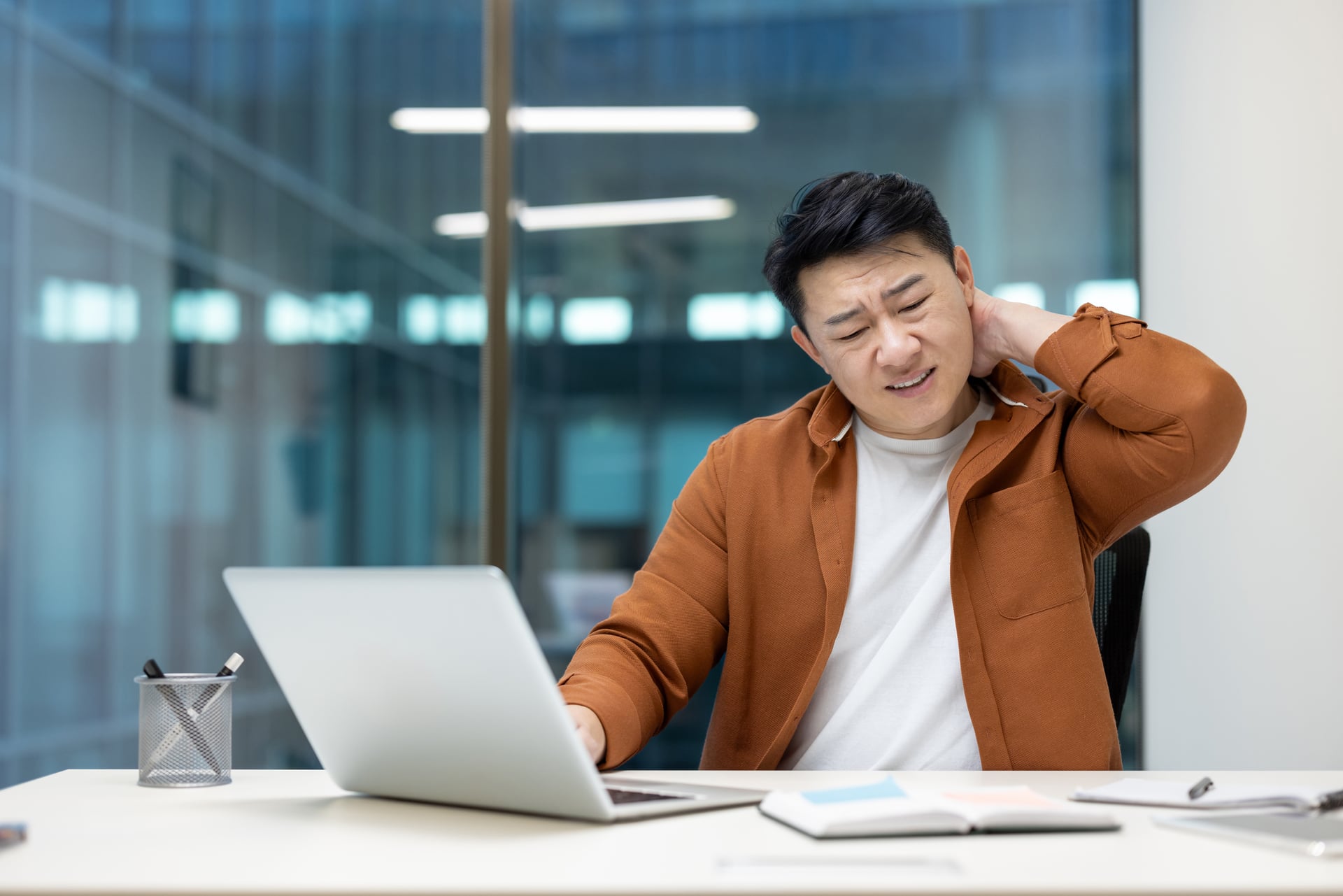
Remote workers and freelancers often struggle with the sedentary nature of desk work, leading to decreased energy and productivity throughout the day. The solution lies in choosing work environments that naturally encourage movement and provide the infrastructure to stay active without disrupting workflow.
How Movement During Work Hours Transforms Your Mind
Physical activity during work hours creates powerful neurological changes that directly impact cognitive performance. When the body moves, blood flow increases to the brain, delivering oxygen and nutrients that sharpen focus and enhance mental clarity. This physiological boost helps combat the mental fatigue that typically builds throughout sedentary workdays.
Regular movement breaks trigger the release of natural brain chemicals, such as endorphins and norepinephrine, that reduce stress while simultaneously improving mood and cognitive function. These brief activity sessions don't just provide temporary relief—they create lasting improvements in memory formation and problem-solving abilities that extend well beyond the movement itself.
Coworking Spaces Make Staying Active Effortless
Modern coworking environments are revolutionizing how professionals integrate physical activity into their daily routines. Here, movement becomes a natural part of the work experience rather than an additional task to squeeze into busy schedules.
1. Built-in fitness amenities significantly reduce scheduling barriers
Coworking spaces increasingly feature on-site gyms, wellness rooms, and dedicated fitness areas that eliminate the time and logistical challenges of maintaining a consistent exercise routine. These convenient facilities remove the need to travel to separate locations, making it possible to incorporate quick workouts between meetings or during lunch breaks without losing valuable work time.
The proximity of fitness amenities transforms exercise from a separate commitment into an integrated part of the workday. Members can seamlessly transition from a morning workout to their desk, or take advantage of afternoon energy dips by engaging in brief physical activity that naturally boosts alertness and focus.
2. Strategic workspace design encourages natural movement
Activity-based workplace design creates environments where movement happens organically throughout the day. Features like centrally located staircases, distributed amenities, and flexible work zones naturally encourage people to walk between different areas as they complete various tasks and collaborate with colleagues.
This design philosophy extends beyond simple layout considerations. Successful implementations by companies like Microsoft's Netherlands office showcase how thoughtful activity-based space planning can aim to encourage natural movement and support physical well-being without requiring conscious effort from workers. The environment itself becomes a catalyst for movement.
3. Standing desks and flexible furniture boost daily activity
Adjustable workstations and diverse seating options provide the flexibility needed to vary positions throughout the day, reducing the static postures that contribute to physical discomfort and mental fatigue. Standing desks offer particular benefits by increasing blood flow and oxygen delivery to the brain, resulting in enhanced focus and alertness.
Flexible furniture arrangements support different work styles and tasks, allowing individuals to choose environments that match their current needs. This variety naturally encourages position changes and movement as people adapt their workspace to optimize both comfort and productivity.
Simple Ways to Move More in Shared Workspaces
Incorporating movement into coworking routines doesn't require dramatic lifestyle changes or extended time commitments. Small, consistent actions throughout the day create significant cumulative benefits for both physical health and cognitive performance.
Take phone calls standing or walking
Transform routine phone calls into opportunities for movement by standing or pacing during conversations. This simple habit activates different muscle groups, improves circulation, and often enhances creative thinking during discussions. Many coworking spaces provide designated areas or quiet zones specifically designed for walking meetings and phone calls.
Use micro-workouts with desk equipment
Keep resistance bands or small hand weights accessible for brief strength exercises between tasks. These micro-workouts can include bicep curls, lateral raises, or simple stretching routines that combat the effects of prolonged sitting without disrupting workflow or requiring significant time investments.
Switch positions every hour
Set regular reminders to change positions, whether transitioning from sitting to standing, moving to a different work area, or simply stretching at the current workspace. This hourly variation prevents static postures while maintaining productivity and focus throughout extended work sessions.
Proven Productivity Gains from Active Work
Research consistently demonstrates measurable productivity improvements when physical activity becomes integrated into work environments. These benefits extend beyond subjective feelings of increased energy to concrete performance metrics.
Standing desks deliver 46% productivity boost in call centers
A study by the Texas A&M Health Science Center School of Public Health tracked participants using standing desks over six months, revealing a remarkable 46% increase in productivity compared to traditional seated workstations. This significant improvement resulted from enhanced focus, reduced mental fatigue, and increased alertness throughout the workday.
Movement breaks improve memory and critical thinking
Brief, regular movement breaks create measurable improvements in cognitive functions needed for knowledge work. Studies show that even short activity sessions significantly enhance focus and problem-solving abilities, leading to more efficient task completion and increased creativity in approaching complex challenges.
Why Community Environments Sustain Activity Habits
Coworking spaces provide natural social accountability that helps maintain consistent activity habits. Seeing colleagues engage in healthy behaviors creates positive peer pressure and motivation that's often missing in isolated home offices or traditional corporate environments.
The community aspect extends beyond simple observation. Many coworking spaces organize group activities, walking clubs, or fitness challenges that transform individual habits into shared experiences. This social component significantly increases long-term adherence to active work practices while building professional relationships and reducing workplace stress.
Activity-based environments also normalize movement throughout the workday, making it socially acceptable and even expected to prioritize physical wellness alongside professional productivity. This cultural shift creates sustainable behavior changes that extend well beyond the immediate workplace.
Replay Club
City: Boynton Beach
Address: 6600 High Ridge Rd
Website: https://replayclub.com/


Comments
Post a Comment