Bathroom Spa Remodeling Trends Are Changing Our Homes, St. Louis Experts Explain
Key Takeaways
- Bathrooms are evolving from purely functional spaces into areas designed for comfort, wellness, and everyday relaxation.
- Modern design trends focus on natural materials, improved lighting, and layouts that make bathrooms feel more open and practical.
- Homeowners increasingly prioritize storage, accessibility features, and energy-efficient fixtures during renovations.
- Technology—from smart mirrors to heated flooring—is becoming more common in contemporary bathroom design.
- Thoughtful bathroom remodeling can improve daily routines while also contributing to long-term home value.
Bathrooms Are No Longer Just Functional Spaces
For much of the last century, bathrooms were designed almost entirely around practicality. A sink, toilet, and bathtub met the basic needs of most households, and the overall design rarely extended beyond simple tile and neutral fixtures. Today, that mindset is shifting. Modern homeowners increasingly view bathrooms as spaces that contribute to relaxation, comfort, and personal routines.
This change is partly influenced by broader lifestyle trends. As people spend more time at home, attention has shifted toward environments that support well-being. Bathrooms have naturally become part of that conversation. Designers and homeowners alike now focus on creating spaces that feel calm, organized, and thoughtfully designed rather than purely utilitarian.
As a result, bathroom remodeling projects are often less about replacing outdated fixtures and more about rethinking how the space works overall. Layout improvements, better lighting, and enhanced storage are becoming just as important as visual design.
The Rise of Wellness-Focused Bathroom Design
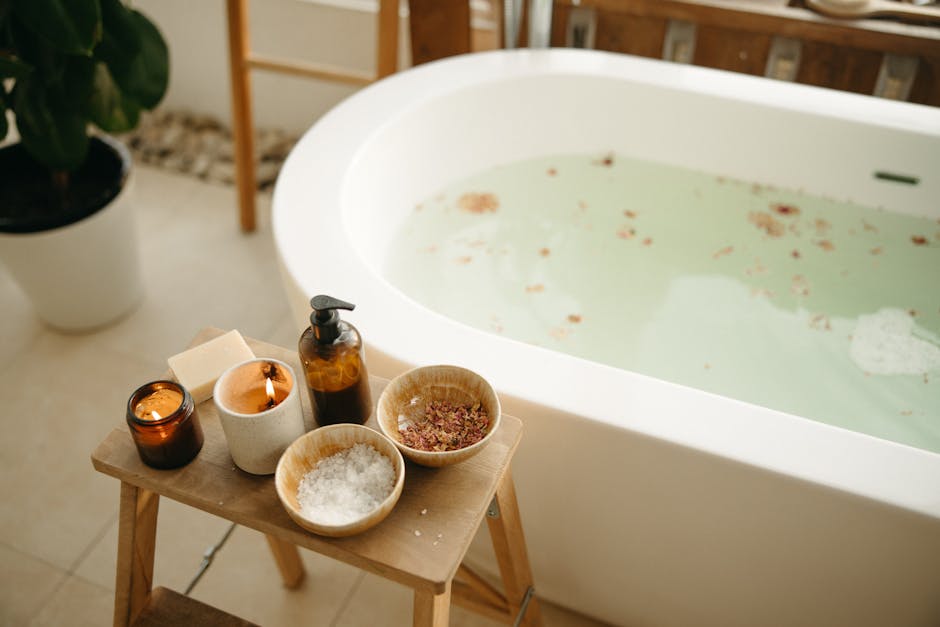
One of the most noticeable trends shaping modern bathrooms is the focus on wellness. Inspired by spas and luxury resorts, homeowners increasingly want bathrooms that provide a sense of relaxation rather than simply serving practical needs.
This shift has introduced features that encourage comfort and everyday rejuvenation. Large walk-in showers, soaking tubs, and calming color palettes are becoming common elements in modern bathroom design. Natural materials such as stone, wood, and textured tile are also gaining popularity because they create a warmer and more organic environment.
Lighting plays a significant role in this transformation. Layered lighting—combining overhead lights, wall sconces, and accent lighting—helps create an atmosphere that can shift between bright functionality and softer, relaxing tones. This flexibility makes the space feel more adaptable to different routines throughout the day.
The goal is not necessarily luxury for its own sake, but rather a bathroom environment that feels balanced, comfortable, and conducive to daily well-being.
Layout Changes Are Making Bathrooms More Practical
Beyond aesthetics, many modern bathroom renovations focus on improving layout and functionality. Older homes often feature compact bathrooms with limited storage and inefficient spacing. Renovation projects frequently address these limitations by rethinking how the room is organized.
For example, homeowners may replace bulky bathtubs with walk-in showers to free up floor space. Floating vanities and wall-mounted fixtures are also increasingly common because they create a cleaner look while making the room feel larger.
Storage solutions have become another priority. Built-in shelving, recessed medicine cabinets, and integrated vanity drawers help keep everyday items organized without creating visual clutter. These improvements allow bathrooms to remain calm and tidy, even in busy households.
Such changes are often central to a bathroom remodel, as they address both visual appeal and practical daily use.
Natural Materials Are Influencing Modern Design
Another defining feature of contemporary bathroom design is the use of natural materials. Stone surfaces, wood accents, and earthy color palettes are becoming more prevalent in both new homes and renovation projects.
These materials help create a sense of warmth that contrasts with the sterile appearance traditionally associated with bathrooms. Soft beige tones, warm grays, and subtle greens are frequently used to evoke a natural atmosphere.
Large-format tiles are also gaining popularity. Because they reduce the number of grout lines, they can make walls and floors appear cleaner and more continuous. This approach not only enhances aesthetics but also simplifies maintenance.
Natural textures and materials contribute to a bathroom environment that feels calm and inviting—qualities that many homeowners now prioritize during remodeling projects.
Technology Is Quietly Transforming Bathroom Spaces
Technology is another factor shaping modern bathrooms. While earlier smart-home trends focused on kitchens and living areas, bathrooms are increasingly benefiting from new innovations.
Heated flooring, for example, has become a sought-after feature in colder climates. Motion-activated lighting improves convenience and energy efficiency. Smart mirrors equipped with integrated lighting and anti-fog technology are also gaining popularity.
Water-efficient fixtures represent another important advancement. Modern toilets, faucets, and shower systems are designed to conserve water while maintaining performance. These upgrades allow homeowners to reduce water consumption without sacrificing comfort.
Although technology is often integrated subtly, these improvements significantly influence how bathrooms function in everyday life.
Accessibility and Long-Term Planning
A growing number of homeowners are also considering accessibility when renovating bathrooms. Even for households that do not currently require mobility features, incorporating accessible design elements can make homes easier to navigate in the future.
Curbless showers, wider doorways, and strategically placed grab bars are becoming more common in modern bathroom design. These features can be integrated in ways that maintain a clean and contemporary appearance while improving safety.
Planning for accessibility is often part of a broader strategy known as “aging in place.” By making thoughtful design choices during a bathroom remodeling project, homeowners can ensure their homes remain comfortable and functional over time.
This approach highlights how bathroom design trends are increasingly shaped by long-term usability rather than short-term aesthetics alone.
Sustainability Is Influencing Renovation Decisions
Environmental awareness is also influencing modern bathroom renovations. Homeowners are paying closer attention to materials, water usage, and energy efficiency when planning improvements.
Low-flow showerheads and faucets reduce water consumption without compromising performance. LED lighting lowers energy use while providing bright, efficient illumination. Many homeowners also choose durable materials that require less frequent replacement.
Sustainable choices often align with practical benefits as well. Durable materials can reduce maintenance, while efficient fixtures can help lower long-term utility costs. These considerations increasingly play a role in bathroom design decisions.
Expert Perspective on Modern Bathroom Remodeling
As bathroom design trends continue to evolve, experienced contractors often see firsthand how homeowner priorities are changing. Remodeling professionals regularly observe a shift toward spaces that combine comfort, functionality, and thoughtful design.
According to experts in the remodeling industry, many homeowners begin projects with a simple goal—updating an outdated bathroom—but quickly realize that layout improvements, lighting, and storage solutions can dramatically influence how the space works.
Companies such as Banner Construction, which provides bathroom remodeling services in St. Louis, have noted that homeowners increasingly approach renovations with a broader vision for how the space will support everyday routines. Rather than focusing only on finishes or fixtures, many projects now emphasize usability, organization, and long-term comfort.
Industry professionals also point out that thoughtful planning often leads to the most successful renovations. Understanding how a bathroom is used daily—from morning routines to evening relaxation—helps guide design choices that balance aesthetics with practicality.
Ultimately, modern bathroom design reflects a larger shift in how homeowners view their living spaces. Bathrooms are no longer secondary rooms tucked away from view. Instead, they have become integral parts of the home environment—spaces designed to support comfort, well-being, and daily life.
As design trends continue to evolve, bathroom renovations will likely remain one of the most impactful ways homeowners can transform how their homes feel and function.
Banner Construction
City: St. Louis
Address: 1177 N Price Rd, St. Louis, MO, 63132
Website: https://bannerconstruction.com/


Comments
Post a Comment