AI Boom Meets Reality as Data Centre Projects Face Major Delays
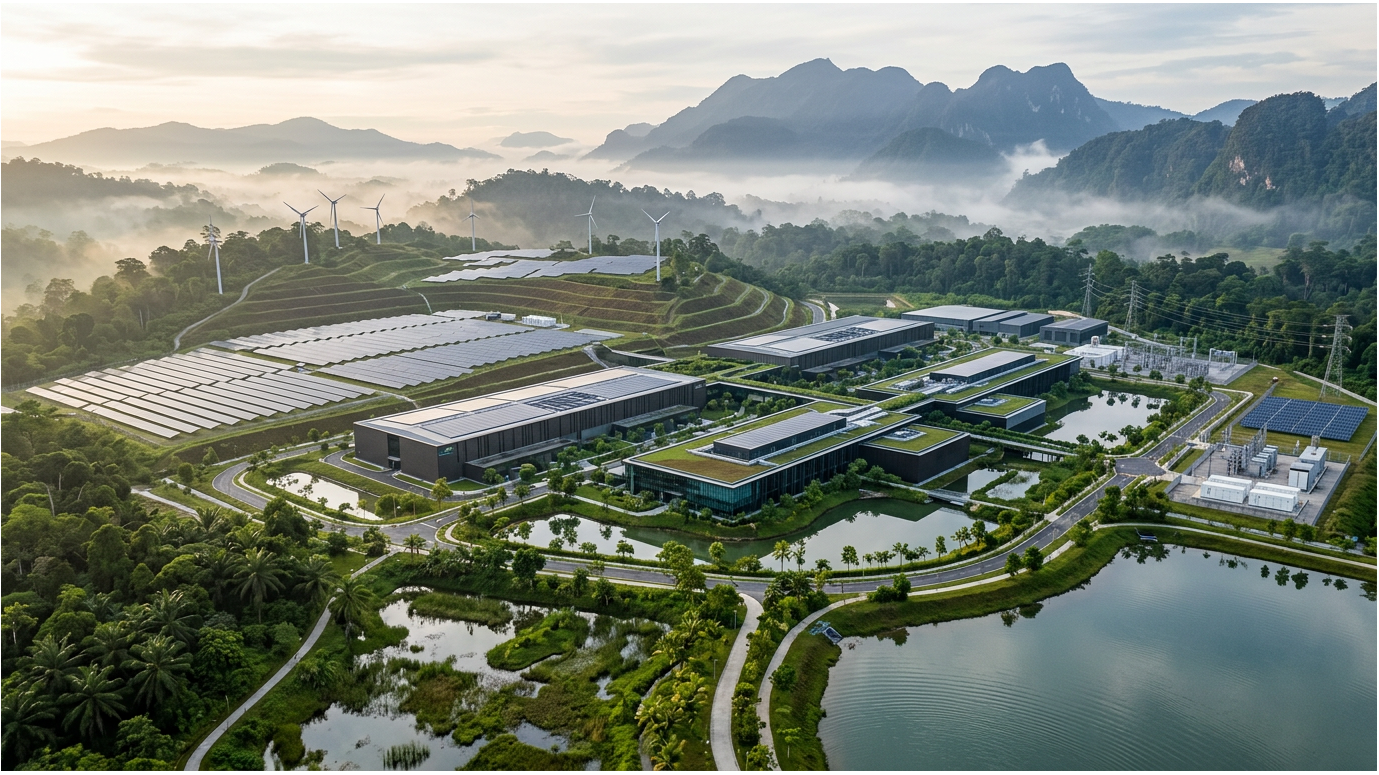
AI Infrastructure Is Racing Ahead — But Data Centre Reality Is Catching Up
The global artificial intelligence boom is unstoppable. Every day, breakthroughs emerge, new applications scale, and new investments pour into the digital economy. Yet behind the headlines and trillion‑dollar valuations lies a quieter truth: AI cannot grow without massive physical infrastructure.
And right now, the world is struggling to build it fast enough.
Across the technology sector, hyperscale companies are racing to construct enormous AI data centre campuses capable of supporting next‑generation computing. These facilities house thousands of high‑performance processors and demand staggering amounts of power, water, and cooling capacity.
But building them is proving far harder than expected.
Industry reports indicate that many large data centre developments are facing delays due to permitting challenges, supply chain pressures, labour shortages, and power constraints. Even projects designed to power the future of artificial intelligence are discovering that infrastructure takes time — sometimes years — to deliver.
This widening gap between AI investment and infrastructure readiness is reshaping how developers choose where to build.
The Infrastructure Behind Artificial Intelligence
Artificial intelligence runs on data. And data runs on data centres.
Modern hyperscale facilities are vastly different from traditional server farms. AI infrastructure requires:
• Gigawatt‑scale electricity capacity
• High‑density cooling systems
• Reliable water resources
• High‑speed fibre connectivity
• Large land footprints for scalable campus expansion
A single advanced AI data centre can consume enormous volumes of electricity and water while operating around the clock.
This means location matters more than ever.
Developers must now think beyond just connectivity. They must evaluate energy stability, water availability, regulatory speed, and long‑term expansion potential.
Why Southeast Asia Is Attracting Global Attention
As infrastructure constraints intensify in mature markets, developers are increasingly exploring alternative regions capable of supporting next‑generation digital infrastructure.
Southeast Asia has rapidly emerged as one of the most attractive growth regions for hyperscale data centre development.
The region offers:
• Expanding digital economies
• Strategic global connectivity
• Competitive operational costs
• Government‑supported digital investment policies
Within Southeast Asia, Malaysia has become a focal point for new data centre investment, thanks to its strong connectivity, supportive policy environment, and relatively competitive land and energy costs.
Technology companies and infrastructure developers are actively evaluating locations capable of supporting long‑term digital infrastructure expansion.
Tanjong Malim: A Strategic Location for Future Data Centre Campuses
One location gaining increasing attention is Tanjong Malim in Perak, Malaysia.
Situated along Malaysia’s major transportation corridor and within reach of Kuala Lumpur’s economic ecosystem, Tanjong Malim offers a compelling mix of infrastructure access, development land, and long‑term scalability.
Large‑scale developments such as Sungai Samak Estate are positioned within this emerging industrial corridor, providing land suitable for integrated technology infrastructure projects — including next‑generation AI data centre campuses.
The area benefits from several strategic advantages:
• Access to major highways and rail connectivity
• Proximity to fibre and digital infrastructure networks
• Lower development density compared with mature data centre hubs
• Potential for scalable campus‑style development
For developers exploring Southeast Asia’s expanding digital infrastructure landscape, information on planning opportunities and location insights can be explored at https://sgsamak.com, with additional enquiries available through https://sgsamak.com/contact-us.
The Future of AI Depends on Infrastructure
Artificial intelligence may be driven by algorithms, chips, and software innovation — but none of it works without physical infrastructure.
The next decade will see an unprecedented build‑out of global data centre capacity, as governments, investors, and technology companies race to support the digital economy.
And in this race, the locations that offer scalability, infrastructure readiness, and long‑term resilience will define where the world’s most powerful computing systems are built.
Because ultimately, the future of AI is not just written in code.
It is built in concrete, steel, power lines, and the land beneath them.
Sungai Samak Estate
City: Kuala Lumpur
Address: 2 Jalan Sempurna off Jalan Gombak
Website: https://sgsamak.com


Comments
Post a Comment