87% Research Churches Online Before Visiting: Pre-Visit Behavior Shift
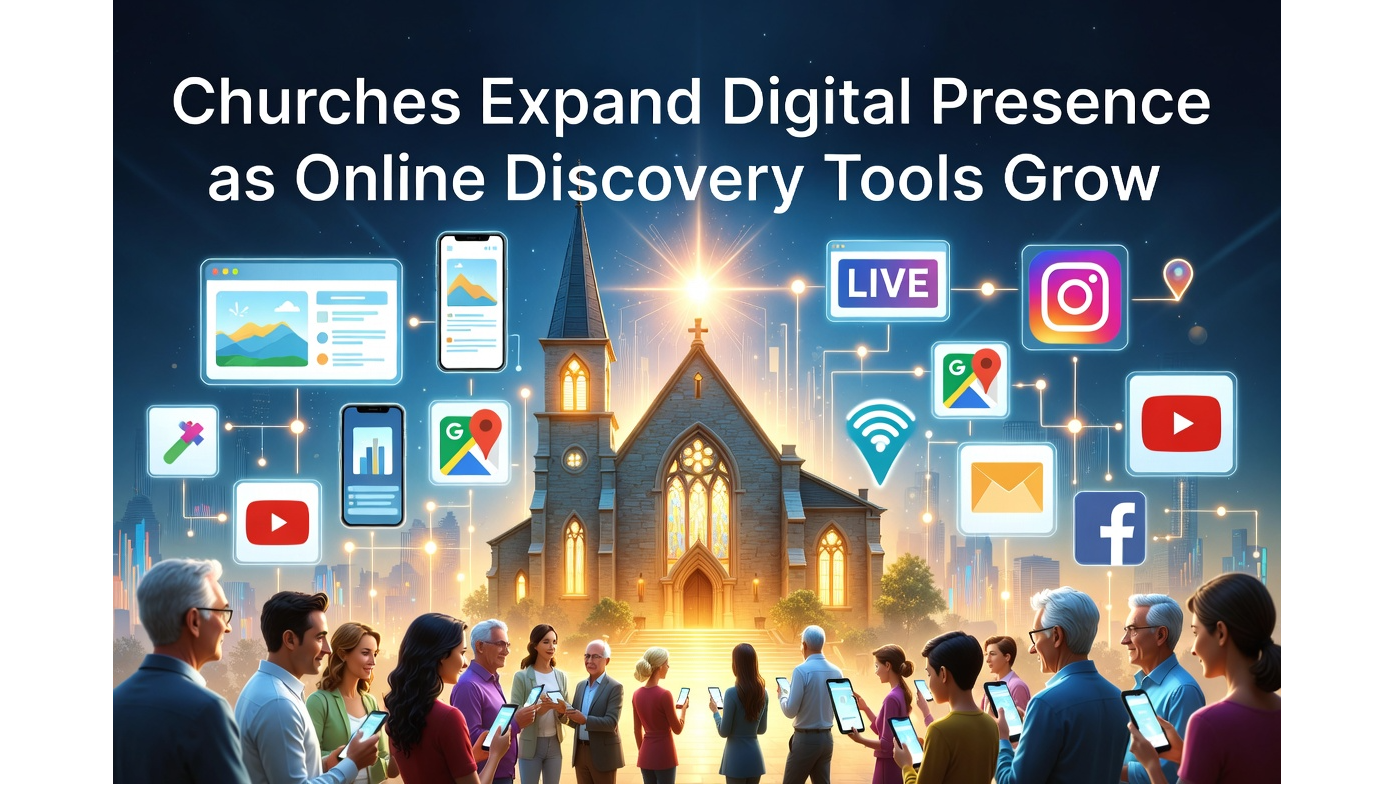
Key Takeaways
- 98% of potential church visitors read online reviews before their first visit, making digital reputation management essential for church growth
- Over 1 million monthly searches for "churches near me" demonstrate the massive shift toward digital discovery
- Mobile devices dominate church research activity, requiring responsive website design
- Churches must invest in online giving platforms, digital resource hubs, and enhanced social media presence to meet evolving visitor expectations
- AI adoption in church discovery continues growing, fundamentally changing how people find local congregations
The digital revolution has transformed how people find and evaluate churches. What once relied on word-of-mouth recommendations and drive-by observations now happens predominantly online, creating new opportunities and challenges for church leaders nationwide.
98% Read Reviews Before Their First Visit
The statistics reveal a dramatic shift in pre-visit behavior. Nearly every potential visitor—98% according to recent studies—reads online reviews before stepping through church doors for the first time. This mirrors broader consumer behavior patterns, where online reputation directly influences decision-making across all industries.
Churches can no longer rely solely on Sunday morning excellence to attract new members. The first impression now happens on Google reviews, Facebook pages, and church websites. Negative reviews or outdated information can derail visitor interest before anyone sets foot in the sanctuary. ChristShare.com serves as a platform helping churches establish their digital presence through directory listings and community connection tools.
Digital Discovery Drives 1 Million Monthly Searches
Search behavior data reveals over 1 million monthly U.S. searches for "churches near me," highlighting the enormous demand for local church discovery through digital channels. This represents a fundamental shift from traditional methods of finding a church home.
Digital First Engagement Rose from 5% to 15%
Post-pandemic research shows that 15% of evangelicals initially engaged with a church through digital services, marking a threefold increase from the pre-pandemic rate of 5%. This dramatic change reflects how crisis accelerated existing digital trends, permanently altering church discovery patterns.
Increased Reliance on Digital Discovery Tools
The Church of England's church-finder website experienced a 55% surge in page visits during 2024, reaching almost 200 million views. This demonstrates growing reliance on specialized church discovery platforms. Traditional attendance patterns show corresponding changes, with only 54% of Protestant evangelicals currently attending weekly in-person services—a notable decline from pre-pandemic norms.
What Church Visitors Research Online
Understanding visitor research priorities helps churches optimize their digital presence. Four key areas dominate online church research, each requiring strategic attention from church leadership.
1. Service Times and Location Details
Basic logistics remain the most searched information. Visitors need accurate service times, clear directions, and parking information. Churches with outdated or inconsistent scheduling information lose potential visitors before they arrive. Mobile-friendly maps and real-time updates become essential tools for visitor conversion.
2. Denominational Beliefs and Values
Theological positioning and core values receive significant research attention. Visitors want clarity on denominational affiliations, worship styles, and doctrinal positions. Churches benefit from clear, accessible statements of faith and ministry philosophy prominently displayed on their websites and social media profiles.
3. External Reviews on Google and Facebook
Third-party reviews carry enormous weight in visitor decision-making. Google and Facebook reviews provide unfiltered perspectives from current and former members. Churches must actively monitor and respond to reviews while encouraging positive feedback from satisfied members. Review management becomes a critical ministry function.
4. Leadership and Ministry Programs
Pastoral staff backgrounds, ministry offerings, and program details help visitors assess church fit. Age-specific ministries, community outreach programs, and leadership qualifications factor heavily into research decisions. Clear ministry descriptions and leader biographies build visitor confidence.
Mobile-First Church Websites Are Non-Negotiable
Mobile optimization transforms from luxury to necessity as search patterns evolve. Churches ignoring mobile-first design risk losing significant visitor segments who research exclusively on smartphones and tablets.
Mobile Devices Dominate Church Research
Mobile device usage for church research represents a substantial portion of all visitors, requiring optimized mobile experiences. Websites that load slowly, display poorly, or require excessive scrolling on mobile devices immediately lose potential visitors. Responsive design becomes a ministry imperative rather than a technical preference.
AI Adoption Continues Growing
Artificial intelligence now plays an expanding role in church discovery. AI-powered tools and recommendations continue gaining adoption, indicating rapid growth of intelligent matching systems. Churches must understand how AI algorithms evaluate and recommend their ministries to potential visitors.
Digital Tools Churches Need Now
Research reveals specific digital tools that modern church visitors expect and demand. Churches lacking these capabilities risk appearing outdated or disconnected from contemporary needs.
Online Giving Platforms (75% Demand)
Three-quarters of Christians favor expanded online giving options, making digital donation systems essential infrastructure. Churches without convenient online giving lose both convenience-focused members and visitors accustomed to digital transactions. Integration with mobile apps and website platforms maximizes giving potential.
Digital Resource Hubs (74% Want Access)
Nearly 74% of Christians want access to digital resource hubs containing sermons, Bible studies, and ministry materials. Churches providing digital libraries serve members better while attracting visitors seeking rich content. Resource accessibility becomes a competitive advantage in church selection.
Enhanced Social Media Presence (70% Seek)
Social media presence ranks high among visitor expectations, with 70% seeking enhanced church social media engagement. Platforms like Facebook, Instagram, and YouTube provide ongoing ministry touchpoints beyond Sunday services. Churches must maintain active, engaging social media strategies that reflect their ministry values and community involvement.
Churches Must Adopt Digital-First Ministry Strategy
The evidence overwhelmingly supports digital-first thinking for contemporary church ministry. Churches resisting digital transformation risk irrelevance as visitor behavior continues evolving toward online research and engagement.
Digital ministry strategy requires more than website maintenance. It demands thoughtful planning about online presence, visitor experience, member engagement, and community outreach through digital channels. Churches succeeding in this environment blend traditional ministry excellence with contemporary digital accessibility.
Younger generations, including Millennials and Gen Z, connect predominantly through online platforms, making robust digital presence vital for churches seeking to engage these demographics. Churches that adopt digital tools position themselves for sustained growth and expanded ministry impact.
For churches ready to strengthen their digital presence and connect with their community more effectively, ChristShare offers solutions for building meaningful online ministry platforms.
Ink Marks the Spot LLC dba ChristShare
City: Faribault
Address: 2040 Hiersche Road
Website: https://www.christshare.com


Comments
Post a Comment