8 Signs of Undiagnosed ADHD in Adult Women & How to Recognize Them
Key Takeaways
- Women with ADHD often exhibit subtle, internalized symptoms like mental restlessness, emotional intensity, and chronic overwhelm that differ from the hyperactive behaviors typically associated with the condition.
- The diagnostic gap means women receive ADHD diagnoses approximately 5 years later than men, with 61% of women diagnosed for the first time in adulthood compared to 40% of men.
- Masking behaviors and perfectionism help women hide their struggles but lead to exhaustion, burnout, and mental health issues that can overshadow the underlying ADHD.
- Recognition of specific warning signs—from rejection sensitivity to time blindness—can be the first step toward understanding whether ADHD is impacting daily life and relationships.
- Effective treatment combines therapy, coaching, and lifestyle strategies that address both symptoms and the emotional toll of years spent feeling "different" or "broken."
The image of ADHD—a restless child disrupting class—has shaped public understanding for decades. This narrow view has left countless women struggling in silence, their symptoms dismissed as anxiety, perfectionism, or simply being "too sensitive." The reality is far more complex and significantly underdiagnosed.
Women's ADHD Stays Hidden While Lives Fall Apart
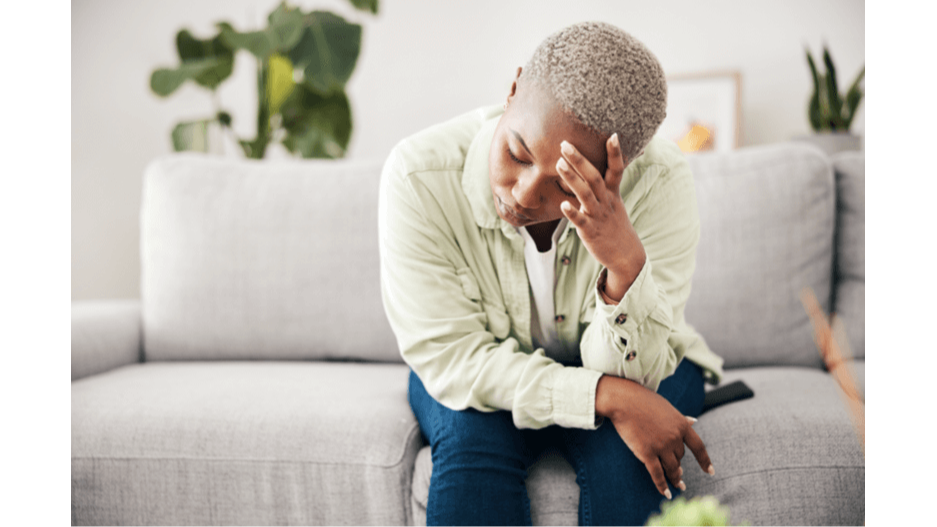
Sarah sits at her kitchen table at 2 AM, surrounded by half-finished projects and tomorrow's to-do list. Her mind races between work deadlines, forgotten appointments, and the constant feeling that everyone else has figured out something she hasn't. This scene plays out in millions of homes where women live with undiagnosed ADHD, their struggles invisible to a world that expects them to be naturally organized and emotionally regulated.
The statistics tell a troubling story. While ADHD affects men and women roughly equally, the prevalence of diagnosed ADHD is significantly higher among men (5.4%) than women (3.2%). This diagnostic gap isn't because women have fewer symptoms—it's because their symptoms look different and often go unrecognized by healthcare providers, teachers, and even the women themselves.
Unlike the hyperactive, disruptive behaviors that typically flag ADHD in boys, women tend to develop sophisticated coping mechanisms that mask their struggles. Understanding these hidden signs of ADHD in women can be life-changing for those who have spent years feeling like they're failing at being "normal."
The cost of this invisibility extends far beyond missed diagnoses. Women with undiagnosed ADHD often experience chronic stress, relationship difficulties, career setbacks, and mental health challenges that compound over time. They blame themselves for struggles that stem from neurological differences, not personal failings.
8 Warning Signs Women Miss for Years
Recognizing ADHD in women requires looking beyond stereotypical presentations to understand how symptoms manifest in daily life. These eight signs often persist from childhood but become more apparent when adult responsibilities exceed coping strategies.
1. Constant Mental Chatter That Never Stops
The internal hyperactivity in women with ADHD can be just as disruptive as physical restlessness, yet it remains completely invisible to others. Thoughts jump rapidly between topics, creating an exhausting mental circus that never takes a break. Sleep becomes elusive when the mind refuses to quiet, and concentration feels impossible with multiple internal conversations happening simultaneously.
Many women describe their minds as having dozens of browser tabs open at once, each demanding attention. This mental restlessness often gets dismissed as overthinking or anxiety, but it represents a core ADHD symptom that affects focus, decision-making, and emotional regulation throughout the day.
2. Emotions That Feel Overwhelming and Intense
Emotional dysregulation represents one of the most significant yet underrecognized aspects of ADHD in women. Feelings arrive with unexpected intensity, shifting rapidly and seeming disproportionate to the triggering event. A minor criticism can feel devastating, while excitement can be so overwhelming it becomes uncomfortable.
This emotional sensitivity often gets misdiagnosed as mood disorders or personality issues rather than recognized as part of ADHD's impact on emotional processing. Women learn to suppress these intense reactions, adding another layer of exhaustion to their daily experience and creating shame around their "overreactions."
3. Starting Projects But Never Finishing Them
The pattern of enthusiastic beginnings followed by abandoned projects creates a trail of guilt and self-criticism. Craft supplies gather dust, online courses remain half-completed, and ambitious plans fade into forgotten memories. This isn't laziness or lack of commitment—it reflects how ADHD affects motivation, attention, and reward processing.
The initial excitement of new projects provides the dopamine boost that ADHD brains crave, but sustaining interest through mundane middle phases becomes nearly impossible without external structure or accountability. Over time, this pattern reinforces feelings of inadequacy and self-doubt.
4. Exhaustion From Constantly Hiding Your Struggles
Masking represents one of the most draining aspects of living with undiagnosed ADHD. Women develop elaborate strategies to appear organized and competent: color-coded calendars, excessive note-taking, arriving impossibly early to avoid lateness, or working twice as hard to produce the same results as others.
These compensatory behaviors often work in the short term but require enormous mental energy to maintain. The constant vigilance needed to monitor and correct ADHD-related mistakes leads to chronic fatigue, anxiety, and eventually burnout when coping strategies inevitably fail.
5. Time Blindness and Chronic Lateness
Time perception difficulties, known as "time blindness," make accurately estimating duration nearly impossible. Tasks that should take 15 minutes stretch into hours, while entire afternoons disappear without explanation. This isn't poor time management—it's a neurological difference in how ADHD brains process temporal information.
Chronic lateness becomes a source of shame and relationship tension, despite genuine efforts to improve. Traditional time management strategies often fail because they don't address the underlying perception issues that make ADHD time feel fluid and unpredictable.
6. Hyperfocus That Derails Your Day
Hyperfocus represents ADHD's double-edged sword—the ability to become completely absorbed in engaging activities while losing awareness of everything else. Hours pass unnoticed during hyperfocus episodes, meals get skipped, and important tasks remain untouched while attention locks onto something compelling.
While hyperfocus can lead to impressive productivity and creativity, it's largely uncontrollable and often targets less important activities. The inability to break away from hyperfocus when needed creates schedule disruptions and reinforces the perception that priorities are consistently mismanaged.
7. Daily Organization Feels Impossible
Executive functioning challenges make routine organizational tasks feel overwhelming and unmanageable. Simple activities like maintaining a clean workspace, managing paperwork, or following through on systems require enormous effort with inconsistent results. Even sophisticated organizational strategies often collapse under the weight of daily demands.
The struggle isn't about intelligence or capability—it's about how ADHD affects the brain's ability to plan, sequence, and maintain routines. This creates a frustrating cycle where organizational failures reinforce negative self-perception despite repeated efforts to improve.
8. Rejection Hits Like a Physical Punch
Rejection Sensitive Dysphoria (RSD) creates an intense, almost physical response to perceived criticism or rejection. What others might experience as minor disappointment becomes overwhelming emotional pain that can last for days. This sensitivity affects up to 99% of people with ADHD, yet remains largely unknown outside specialized circles.
RSD often leads to perfectionism, people-pleasing, or avoidance of situations where rejection might occur. The fear of triggering this intense emotional pain shapes life decisions and relationships, creating additional challenges that compound ADHD's direct effects.
Why Women Get Diagnosed Approximately 5 Years Later Than Men
The significant diagnostic delay for women stems from multiple factors that intersect to create barriers to recognition and treatment. Understanding these obstacles helps explain why 61% of women receive their first ADHD diagnosis in adulthood, compared to only 40% of men.
Symptoms Look Different in Women
Research historically focused on hyperactive boys, creating diagnostic criteria that don't capture how ADHD typically manifests in girls and women. Where boys might display obvious disruptive behaviors, girls often present with inattentiveness, disorganization, and internalized struggles that teachers and parents interpret as character traits rather than symptoms.
The inattentive type of ADHD, more common in women, involves subtle signs like daydreaming, difficulty following instructions, and social withdrawal. These behaviors don't disrupt classrooms or demand immediate attention, allowing girls to slip through screening processes that primarily identify externalizing symptoms.
Hormones Make Everything Worse
Hormonal fluctuations significantly impact ADHD symptoms throughout women's lives, creating additional complexity that can mask or exacerbate underlying challenges. Estrogen affects dopamine production and regulation, meaning symptoms often worsen during menstruation, pregnancy, postpartum periods, and menopause.
These hormonal influences can make ADHD symptoms appear cyclical or situational rather than consistent, leading healthcare providers to attribute difficulties to "hormonal issues" rather than investigating underlying neurodevelopmental differences. The timing often coincides with major life transitions, further complicating accurate assessment.
Society Expects Women to Hide Their Struggles
Cultural expectations for women to be naturally organized, emotionally regulated, and socially intuitive create pressure to mask ADHD symptoms from an early age. Girls learn that struggling with attention or organization reflects personal failure rather than neurological differences, leading to sophisticated compensation strategies that hide difficulties.
This masking often prevents recognition during developmental periods when intervention would be most beneficial. By adulthood, women have typically developed such effective coping mechanisms that their struggles remain invisible even when they're privately overwhelming.
When Depression and Anxiety Mask ADHD
The relationship between ADHD and other mental health conditions creates a complex diagnostic puzzle that often leads to treating symptoms while missing the underlying cause. Understanding these connections is necessary for accurate diagnosis and effective treatment.
93% of Women Report at Least One Related Diagnosis
The staggering statistic that 93% of women with ADHD report at least one co-occurring mental health diagnosis reveals how frequently ADHD symptoms get misattributed to other conditions. Anxiety affects 73% and depression impacts 63% of women with ADHD, often becoming the primary focus of treatment while ADHD remains unrecognized.
These secondary conditions frequently develop as responses to years of struggling with undiagnosed ADHD. Chronic stress from feeling "different," repeated failures despite effort, and constant self-monitoring create fertile ground for anxiety and depression to take root. Without addressing the underlying ADHD, treatment often provides incomplete relief.
Career Impact: From Imposter Syndrome to Burnout
Undiagnosed ADHD significantly impacts professional development and career satisfaction in ways that extend far beyond occasional mistakes or missed deadlines. Women often report intense imposter syndrome, feeling like frauds despite legitimate accomplishments, because they know how much extra effort their success requires compared to colleagues.
The combination of executive functioning challenges, emotional sensitivity, and perfectionist coping strategies creates a perfect storm for workplace burnout. Many women cycle through careers or remain underemployed relative to their abilities, never understanding that their struggles stem from neurodivergent processing rather than personal inadequacy.
Getting Diagnosed: What Actually Works
Securing an accurate ADHD diagnosis as an adult woman requires persistence, preparation, and finding providers who understand how the condition presents across genders and life stages. The process often involves multiple appointments and thorough evaluation of both current symptoms and developmental history.
Finding Providers Who Understand Women's ADHD
Not all healthcare providers receive adequate training in recognizing ADHD in women, making provider selection necessary for accurate assessment. Look for psychiatrists, psychologists, or neuropsychologists who specifically mention experience with adult ADHD and gender differences in their practice descriptions or continuing education.
Professional organizations often maintain referral lists, and online directories can help identify specialists in your area. Don't hesitate to ask potential providers about their experience with female ADHD presentations during initial consultations—their response will indicate their familiarity with current research and best practices.
Questions That Get Results
Effective self-advocacy during the diagnostic process involves asking specific questions that demonstrate your understanding of ADHD while gathering information about the provider's approach. Key questions include inquiring about their experience with inattentive presentations, hormonal influences on symptoms, and how they differentiate between ADHD and anxiety or depression.
Prepare concrete examples of how symptoms affect daily functioning across multiple areas: work, relationships, household management, and personal goals. This detailed picture helps providers understand the pervasive impact of symptoms beyond surface-level observations.
Life-Changing Treatment Beyond Medication
While medication can be helpful for many women with ADHD, treatment often emphasizes therapeutic interventions, coaching, and lifestyle modifications that address both symptoms and the emotional aftermath of years spent feeling "broken." Evidence-based approaches focus on building practical skills while healing self-esteem damage from chronic struggle.
Cognitive-behavioral therapy adapted for ADHD helps develop strategies for executive functioning, emotional regulation, and realistic goal-setting. Dialectical behavior therapy techniques prove particularly valuable for managing emotional intensity and rejection sensitivity. ADHD coaching bridges the gap between understanding symptoms and implementing practical solutions in daily life.
Lifestyle interventions play equally important roles: consistent sleep schedules, regular exercise, mindfulness practices, and environmental modifications that reduce distractions and support focus. The most effective treatment plans combine multiple approaches tailored to individual needs and circumstances.
ADHD Support for Real Life
Recovery from years of self-blame and struggle requires more than symptom management—it demands rebuilding self-concept and developing sustainable systems that work with ADHD brains rather than against them. This process often involves grieving the easier life that might have been while celebrating the unique strengths that come with neurodivergent thinking.
Building supportive communities, whether through local groups, online forums, or therapy settings, provides validation and practical wisdom from others who understand the lived experience of ADHD. Learning to advocate for accommodations at work and in relationships becomes a necessary life skill that improves long-term outcomes.
The path toward understanding and managing ADHD is deeply personal, but no one should face it alone. Professional support, combined with self-compassion and evidence-based strategies, can transform the daily experience from constant struggle to sustainable success.
Mission Connection
City: San Juan Capistrano
Address: 30310 Rancho Viejo Rd.
Website: https://missionconnectionhealthcare.com/


Comments
Post a Comment