5 Common Vintage Furniture Reupholstering Mistakes and How to Avoid Them
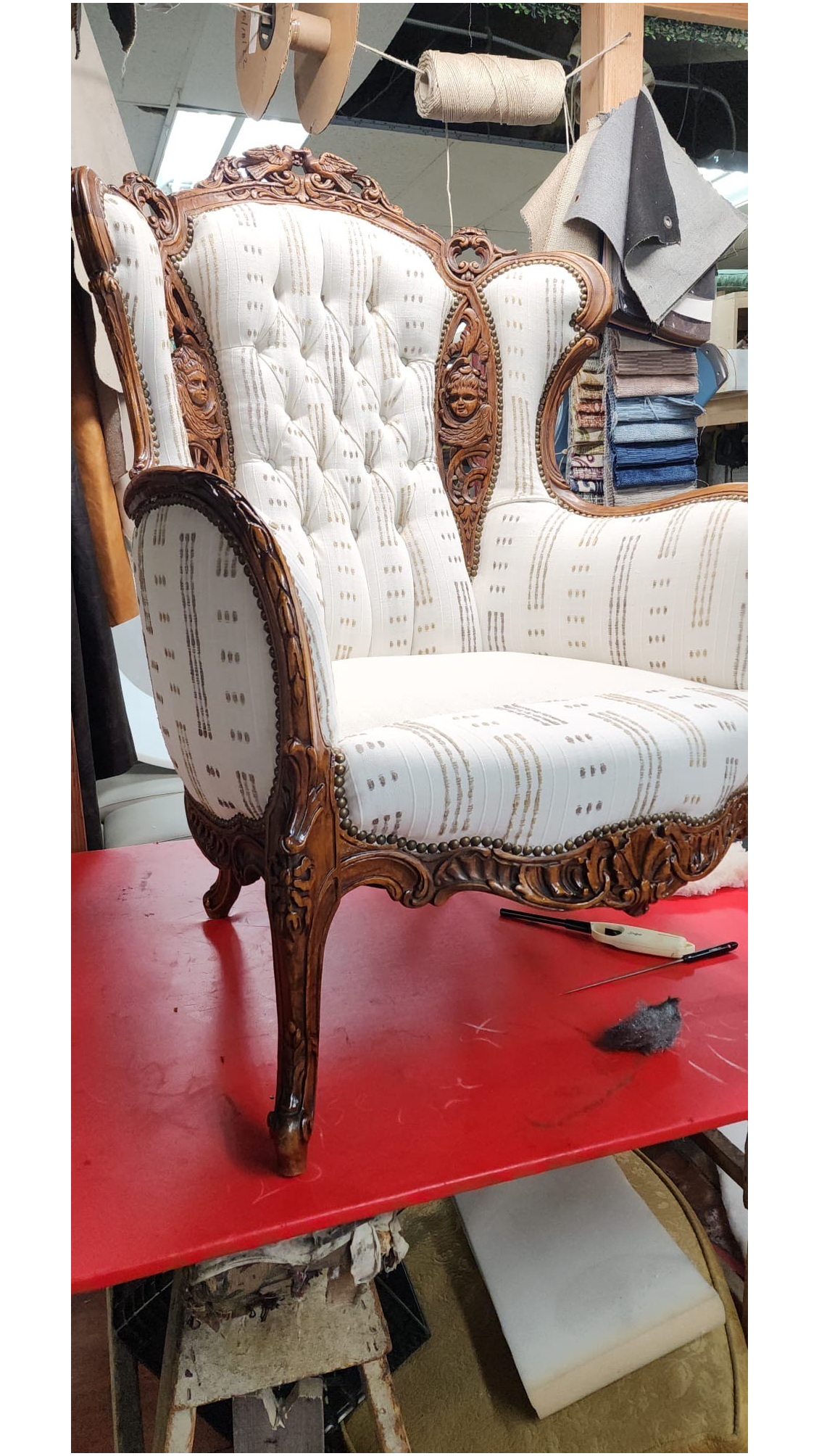
Upholstery is a delicate craft that blends artistry with function. A well-upholstered chair or sofa does more than fill a space; it preserves history, personality, and sometimes even memories. Restoring a piece allows it to endure, connecting past and present while giving any room a renewed sense of character.
Despite its apparent simplicity, upholstery demands careful planning, precision, and patience. Removing old fabric and attaching new material involves more than basic sewing, as every stitch, fold, and staple affects not only the appearance but also the structure and comfort of the furniture. Minor errors can grow over time, turning a promising project into a frustrating one.
Why Reupholstery Requires Skill and Attention
Experienced upholsterers understand that a successful project depends on both technical skill and creative judgment. Reading the frame, anticipating how fabrics stretch or drape, and aligning patterns all influence the final result. Choices like thread color, seam placement, and padding thickness may seem small, but they significantly impact durability and aesthetics.
Five Common Mistakes That Undermine Projects
Even careful DIYers often repeat the following mistakes:
- Neglecting the Frame and Springs - A worn frame or broken springs can make new fabric sag or tear. Checking and repairing the underlying structure first ensures stability.
- Ignoring Fabric Grain - Fabrics have a natural direction, and misaligned cuts can distort patterns and create uneven surfaces.
- Overstretching Material - Pulling fabric too tight causes puckering, tearing, and uneven tension, especially with delicate textiles.
- Using Inadequate Tools - Household scissors or staplers rarely produce professional results. Investing in upholstery shears, staple guns, and hammers makes a noticeable difference.
- Skipping Finishing Touches - Details like welting, tacking, and seam finishing affect both appearance and longevity. Rushing these steps can undermine the overall quality.
Expert Tips to Improve Your Craft
Learning from professionals can elevate even beginner projects:
- Plan Thoroughly Before Cutting - Measuring, mapping patterns, and visualizing each piece reduces errors and material waste.
- Test Materials in Advance - Fabric, adhesives, and thread respond differently to tension and stress. Testing samples ensures the final result behaves as expected.
- Invest in Quality Tools - Professional-grade equipment allows for cleaner, more durable results and makes the process smoother.
Knowing When to Hire a Professional
Some projects exceed the comfort zone of even skilled DIYers. Antique frames, complex tufting, and fragile fabrics often require expert hands, so bringing in a professional is usually the best approach to maintaining the integrity of the piece.
Professional upholsterers bring technical knowledge, hands-on experience, and the kind of patience that complex work demands, ensuring that furniture is restored with both beauty and longevity in mind.
Knowing when to hand a project off isn't a concession; it is simply good judgment.
Joseph's custom furniture upholstery and slipcovers
City: Los Angeles
Address: 1830 W Pico Blvd E,
Website: https://josephallupholstery.com/
Phone: +1 323 842 0550
Email: contact@josephallupholstery.com


Comments
Post a Comment