Why Is Padel So Popular With Women? The New Sport Taking America By Storm
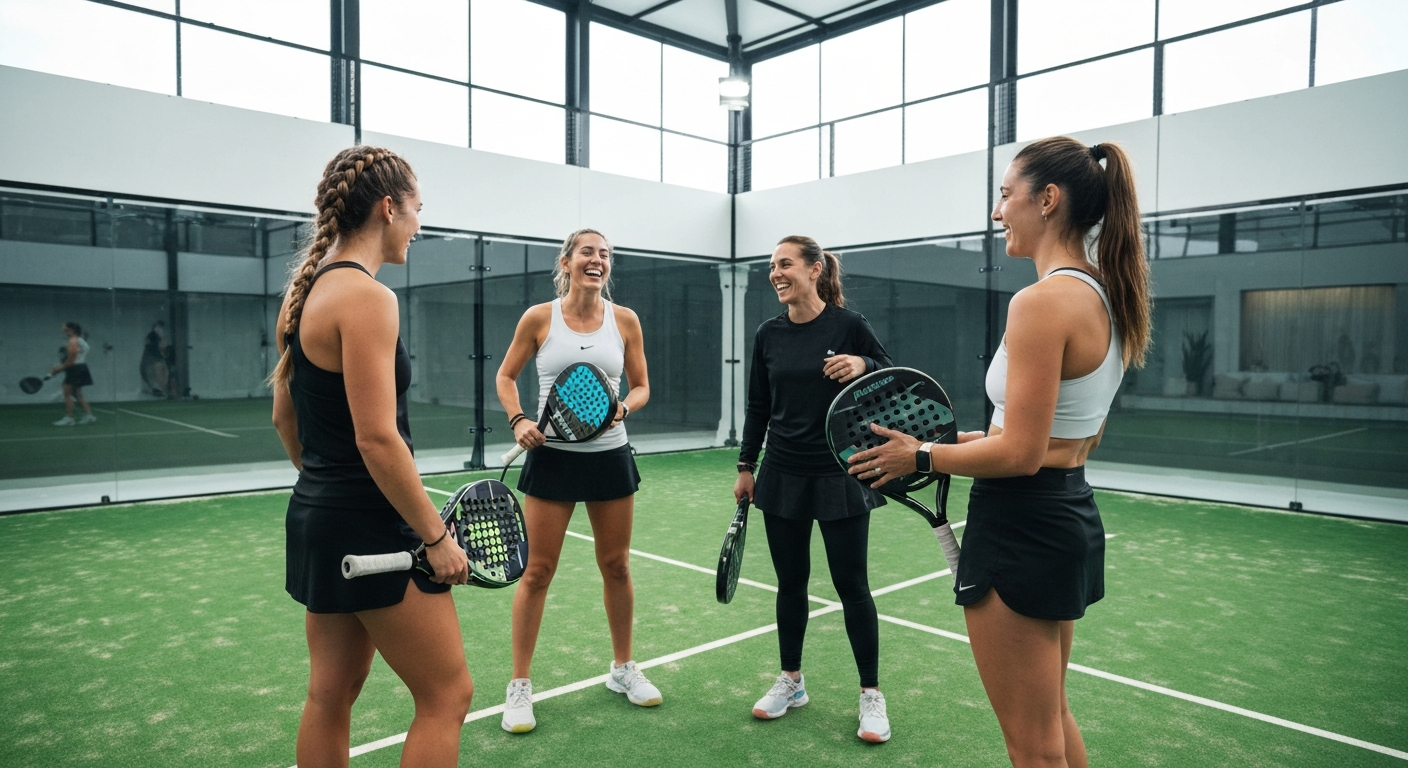
America’s fitness landscape is witnessing something extraordinary—and the headlines prove it. In January 2026, the United States Padel Association announced that the U.S. has officially surpassed 1,000 active padel courts nationwide, up from fewer than 20 in 2019. This growth is expected to continue, with projections of 30,000 courts and 10 million players by 2030.
Even more striking: industry reports show female participation rising faster than male participation for the third consecutive year, with women now representing nearly 45% of all U.S. players. At a time when many traditional sports are struggling to recruit and retain women, padel is accelerating.
This surge mirrors a broader cultural shift. Recent fitness industry trend reports for 2025 highlight that women—particularly Millennials and Gen Z—are prioritizing community-based, social fitness experiences over solo gym workouts. Padel sits squarely at the intersection of these trends. The answer to its explosive growth lies not just in the game itself, but in how it naturally brings women together.
Celebrity Endorsements Of The Sport
The sport's credibility received a major boost with tennis star Rafael Nadal's endorsement of the sport. His Rafa Nadal Academy Padel Tour is coming to America this year, driving the popularity of the sport. Celebrity endorsements like these are introducing padel to mainstream audiences, but the real growth comes from grassroots enthusiasm. Unlike other celebrity-endorsed fitness trends that fade quickly, padel's appeal runs deeper—rooted in genuine enjoyment and social connection rather than temporary fascination.
The Social Sport That Brings Women Together
Padel's social nature isn't accidental—it's built into the game's DNA. The sport is exclusively played in doubles, creating an environment where teamwork and communication are essential. A study by Padel Magazine revealed that 63% of female players value the sport's social aspects above all other benefits, highlighting how padel succeeds where individual sports often fall short.
Built-in Community Through Doubles Play
Unlike tennis, where singles play can feel isolating, padel requires constant interaction with both a partner and opponents. This format naturally breaks down social barriers and creates immediate connections. Women report feeling less intimidated stepping onto a padel court because the focus shifts from individual performance to collaborative strategy. The smaller court size means players stay close together, encouraging conversation and camaraderie throughout the match.
Clubs Create Women-Focused Programming
American padel clubs have recognized this social appeal and developed programming specifically to foster female participation. Many facilities now offer "Ladies Night" events, beginner-friendly clinics, and social tournaments designed to welcome newcomers. These programs remove the competitive pressure that can intimidate new players while building sustainable communities around the sport.
High Return Rate Creates Lasting Friendships
The proof of padel's social success lies in its retention rates. Playtomic's Global Padel Report 2025 found a remarkable 92% return rate for individuals playing padel again after their first try. This isn't just about enjoying the game—it's about the relationships formed on the court. Many women report that their padel partners become genuine friends, extending their connections far beyond the court.
Why Padel Feels More Accessible Than Tennis
The technical barriers that keep many women from pursuing tennis simply don't exist in padel. The sport's design naturally accommodates different skill levels, making it approachable for beginners while still offering depth for competitive players.
Smaller Courts Mean Less Running
Padel courts measure roughly one-third the size of tennis courts, dramatically reducing the physical demands of covering the playing area. This smaller footprint means players can focus on technique and strategy rather than pure athleticism. Women who might feel intimidated by tennis's physical requirements find padel's more contained environment welcoming and manageable.
Strategy Over Power Levels the Playing Field
Perhaps most importantly, padel rewards tactical thinking over raw power. The enclosed court with glass walls creates unique angles and playing opportunities that favor finesse over force. This emphasis on strategy rather than strength appeals to women who may have been discouraged from racquet sports by the power-focused nature of traditional tennis. Smart positioning and creative shot-making become more valuable than serving speed or groundstroke power.
The Health Benefits That Keep Women Coming Back
Beyond the social connections, padel delivers impressive health benefits with a moderate injury risk profile that appeals to health-conscious women. The sport provides improved cardiovascular fitness, better agility, and increased muscular endurance while maintaining a lower impact than many traditional fitness activities.
The moderate intensity level makes padel sustainable for long-term participation. Unlike high-impact sports that can lead to burnout or injury, padel allows women to maintain consistent activity levels while gradually building fitness. The social aspect also provides accountability—players are more likely to maintain regular exercise when connected to friendships and community involvement.
Join the Fastest-Growing Women's Sport Movement
The momentum behind padel's growth among women shows no signs of slowing. The sport's appeal to younger generations is particularly strong, with growing participation rates among Gen Z and Millennials who seek fitness activities that combine social connection with physical activity.
The U.S. Women's team's historic 5th place finish at the Padel America Absolute Championships in Chile in 2025 represents the highest achievement in American women's padel history. This success at the competitive level demonstrates the depth of talent developing within the sport, inspiring recreational players and building pride in the growing community.
For women seeking a sport that combines fitness, strategy, and social connection, padel offers an unmatched combination of benefits. The welcoming community, accessible learning curve, and genuine enjoyment keep players coming back week after week. As courts continue expanding across America, the opportunity to join this movement has never been more accessible.
Replay Club
City: Boynton Beach
Address: 6600 High Ridge Rd
Website: https://replayclub.com/


Comments
Post a Comment