Why Homeowners Should Tornado-Proof HVAC Systems Before Spring Storms Arrive
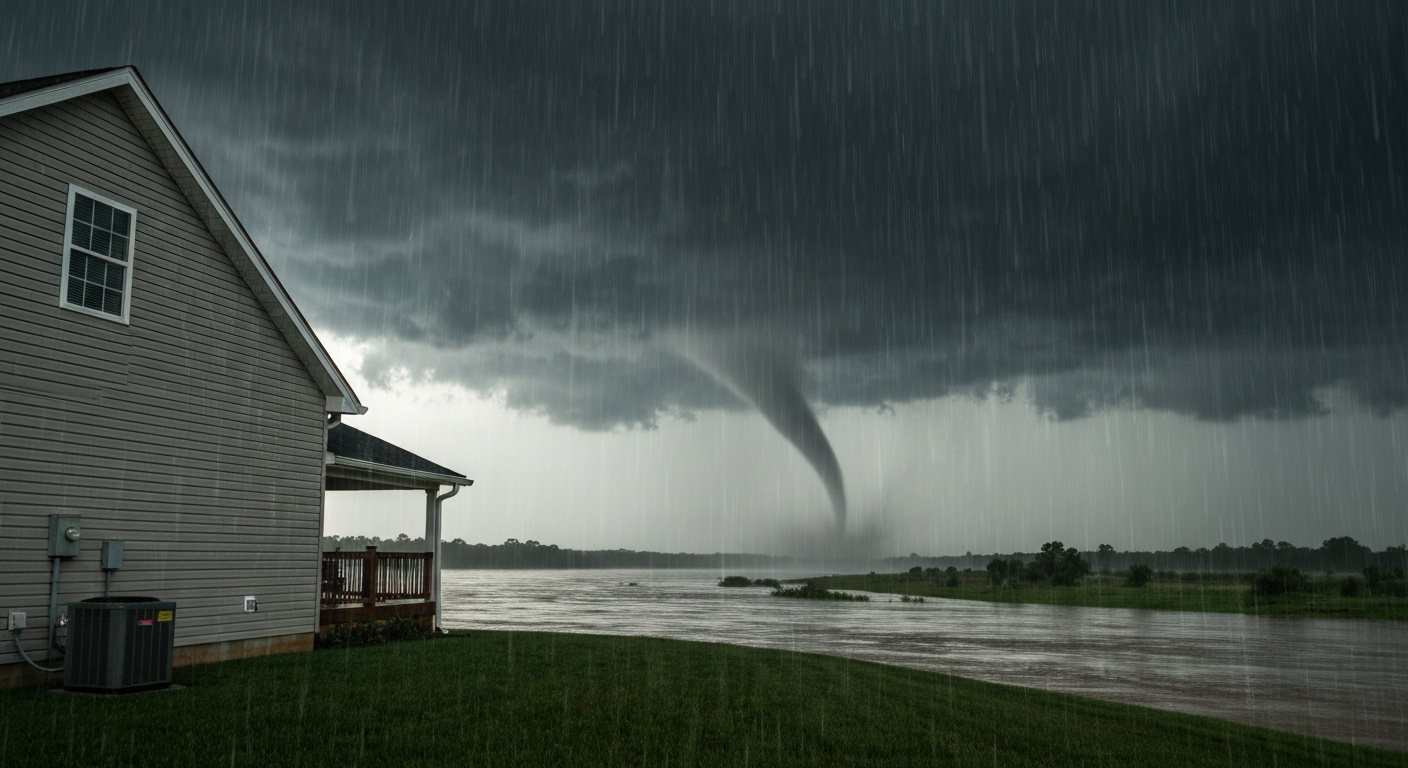
Living in tornado-prone areas means preparing for nature's most destructive storms. The latest forecast from weather news site AccuWeather predicts thunderstorms, heavy rainfall and flash flooding during these last few months of Alabama's tornado season, which means right now is the time for folks to prepare.
While most homeowners focus on protecting their families and securing their homes, many overlook a critical and expensive vulnerability: their HVAC systems. When tornadoes strike, heating and cooling equipment becomes an expensive casualty that can leave families uncomfortable for weeks or months while dealing with costly repairs that could even last into the heat of the hotter-than-average summer predicted for 2026.
Tornadoes Cost Alabama Homeowners $5,000-$10,000 in HVAC Damage
The financial impact of tornado damage to HVAC systems hits homeowners hard in the wallet. Replacing a damaged HVAC system after severe weather typically ranges from $5,000 to $10,000 or more, depending on the type of system and extent of damage. This substantial cost often catches homeowners off guard, especially when insurance coverage may not fully cover all storm-related HVAC damage.
The expense becomes even more significant when considering that repair costs sometimes exceed replacement costs. Critical components like compressors and heat exchangers are particularly vulnerable to storm damage, and when these fail, homeowners face difficult financial decisions about whether to repair or replace their entire system.
Beyond the initial replacement costs, homeowners also deal with temporary lodging expenses, spoiled food from power outages, and the discomfort of living without climate control during recovery periods. Professional HVAC services become necessary for assessment and restoration, but finding available contractors during peak storm recovery can be challenging and expensive.
How High Winds Destroy Outdoor AC Units
Tornado-force winds create a perfect storm of destruction for outdoor HVAC equipment. These powerful air currents don't just knock things over - they systematically dismantle heating and cooling systems piece by piece, creating cascading damage that affects the entire system's operation.
1. Condenser Units Get Torn From Their Concrete Pads
High winds can generate enough force to lift and move entire condenser units from their mounting positions. When units aren't properly anchored with hurricane straps or adequate bolting systems, they become projectiles themselves. The violent movement tears refrigerant lines, breaks electrical connections, and can cause the heavy equipment to crash into homes, vehicles, or other structures.
Even units that remain partially attached suffer internal damage from the extreme movement and vibration. The shifting motion can misalign internal components, crack housing materials, and compromise the unit's structural integrity beyond economical repair.
2. Flying Debris Destroys Coils and Fan Blades
Tornadoes turn ordinary objects into high-speed projectiles that target exposed HVAC equipment. Tree branches, roof materials, outdoor furniture, and construction debris become weapons that puncture condenser coils, shatter fan blades, and dent protective housing.
The condenser coils are particularly vulnerable because they require airflow to function properly. When debris penetrates these delicate components, refrigerant leaks occur, and the system loses its ability to transfer heat effectively. Fan blade damage not only stops air circulation but can also cause motor strain and electrical problems when the system attempts to operate with unbalanced or missing blades.
3. Refrigerant Lines Break and Leak
The copper refrigerant lines connecting outdoor and indoor units become failure points during severe storms. These lines can break from direct impact, structural movement, or when the outdoor unit shifts position. Refrigerant leaks create immediate system failure and pose environmental hazards that require professional cleanup and disposal.
Repairing refrigerant line damage involves more than simple reconnection. The entire system must be evacuated, cleaned, and recharged with new refrigerant - a process that can cost thousands of dollars and requires specialized equipment and EPA-certified technicians.
Flood Damage Creates Hidden HVAC Problems
Floodwaters accompanying tornadoes create insidious problems that extend far beyond visible water damage. These hidden issues often develop slowly after the storm passes, creating ongoing health risks and system failures that may not become apparent for weeks or months.
Contaminated Ductwork Breeds Mold and Bacteria
When floodwaters enter ductwork systems, they introduce contaminants that create serious indoor air quality problems. The dark, moist environment inside ducts becomes an ideal breeding ground for mold, bacteria, and other harmful microorganisms that spread throughout the home every time the system operates.
Contaminated ductwork requires professional cleaning or complete replacement to restore safe air quality. This remediation work can cost thousands of dollars and may require temporary relocation during treatment.
Electrical Components Short Circuit in Water
Water exposure to electrical components creates immediate safety hazards and long-term reliability problems. Control boards, motors, and wiring that contact floodwater suffer corrosion damage that may not be immediately visible but causes progressive failure over time.
Even components that initially seem functional after water exposure often fail within months due to internal corrosion and electrical degradation. This delayed failure pattern means homeowners may face unexpected repair bills long after they believe their storm recovery is complete.
Power Surges Fry Expensive HVAC Components
Power surges during tornado events create invisible damage that destroys sensitive electronic components throughout HVAC systems. Lightning strikes, downed power lines, and utility grid fluctuations generate electrical spikes that overwhelm protective systems and cause immediate or delayed component failure.
Modern HVAC systems contain sophisticated control boards, variable-speed motors, and electronic thermostats that are particularly vulnerable to power surge damage. These components can cost hundreds or thousands of dollars to replace and often require complete system reprogramming and calibration.
Steps to Secure HVAC Systems
Protecting HVAC systems from tornado damage requires proactive preparation that addresses the specific vulnerabilities these storms create. Implementing protective strategies significantly reduces damage risk and repair costs while ensuring faster system recovery after severe weather events.
1. Anchor Outdoor Units with Hurricane Straps
The Federal Emergency Management Agency (FEMA) recommends securing outdoor equipment, including HVAC units, to concrete slabs with anchor bolts or hurricane straps in areas prone to high winds. Proper anchoring prevents units from becoming projectiles and reduces internal damage from movement and vibration.
Hurricane straps and anchor bolts must be rated for local wind speeds and properly installed according to manufacturer specifications. Professional installation ensures the anchoring system can withstand tornado-force winds without compromising the unit's operation or creating additional structural problems.
2. Install Dedicated HVAC Surge Protectors
Whole-house surge protectors designed specifically for HVAC systems provide protection against the power surges that commonly occur during lightning storms and power restoration periods. These specialized devices can withstand temperature extremes and high humidity while protecting sensitive electronic components.
3. Elevate Units Above Flood Levels
Elevating outdoor HVAC units on platforms or stands significantly reduces water damage risk in flood-prone areas. Professional elevation systems raise equipment above historical flood levels while maintaining proper airflow and drainage requirements.
4. Trim Trees and Remove Potential Projectiles
Regular landscape maintenance around HVAC equipment reduces projectile damage during storms. Trimming trees and removing loose debris, outdoor furniture, and decorative elements prevents these items from becoming wind-driven missiles that target heating and cooling equipment.
Maintaining a clear zone of at least 10 feet around outdoor units provides both storm protection and improved system performance. This clearance also facilitates emergency access for repairs and maintenance while reducing fire hazards from accumulated debris.
5. Turn Off Power at Circuit Breaker Before Storms
The National Weather Service advises homeowners to turn off HVAC systems at the circuit breaker before tornadoes strike to prevent electrical damage from power surges or short circuits. This simple step protects expensive electrical components and reduces fire risk during storm events.
Professional Maintenance Makes Systems Storm-Ready
Regular professional HVAC maintenance identifies and addresses system vulnerabilities that make equipment more susceptible to storm damage. Trained technicians can spot loose mounting hardware, aging electrical components, and structural weaknesses that compromise storm resistance.
Preventive maintenance also ensures systems are operating at peak efficiency before storm season arrives. Well-maintained equipment handles environmental stresses better and recovers more quickly after severe weather events. Professional maintenance contracts often include priority service during storm recovery periods, ensuring faster restoration when HVAC services are in highest demand.
Maintenance records also support insurance claims by documenting proper system care and identifying pre-existing conditions versus storm-related damage. This documentation can expedite claim processing and ensure appropriate coverage for storm damage repairs.
Protect HVAC and Home Before the Next Storm Hits
Storm preparedness for HVAC systems requires year-round attention rather than last-minute scrambling when tornadoes threaten. Implementing protective measures during calm weather ensures systems are ready when severe storms arrive and reduces the panic and expense of emergency preparations.
Creating a storm preparedness plan that includes HVAC protection helps ensure family comfort and safety during extreme weather events. Homeowners who invest in storm protection typically see significant returns through reduced damage, faster recovery times, and lower insurance costs. The relatively modest investment in protective measures prevents the substantial expense and disruption of major storm damage repairs.
Engle Services
City: Sylacauga
Address: 40300 U.S. 280
Website: https://engleservicesheatingandair.com/


Comments
Post a Comment