Which Texas Ants Are Actually Dangerous — And Which Are Just Annoying?
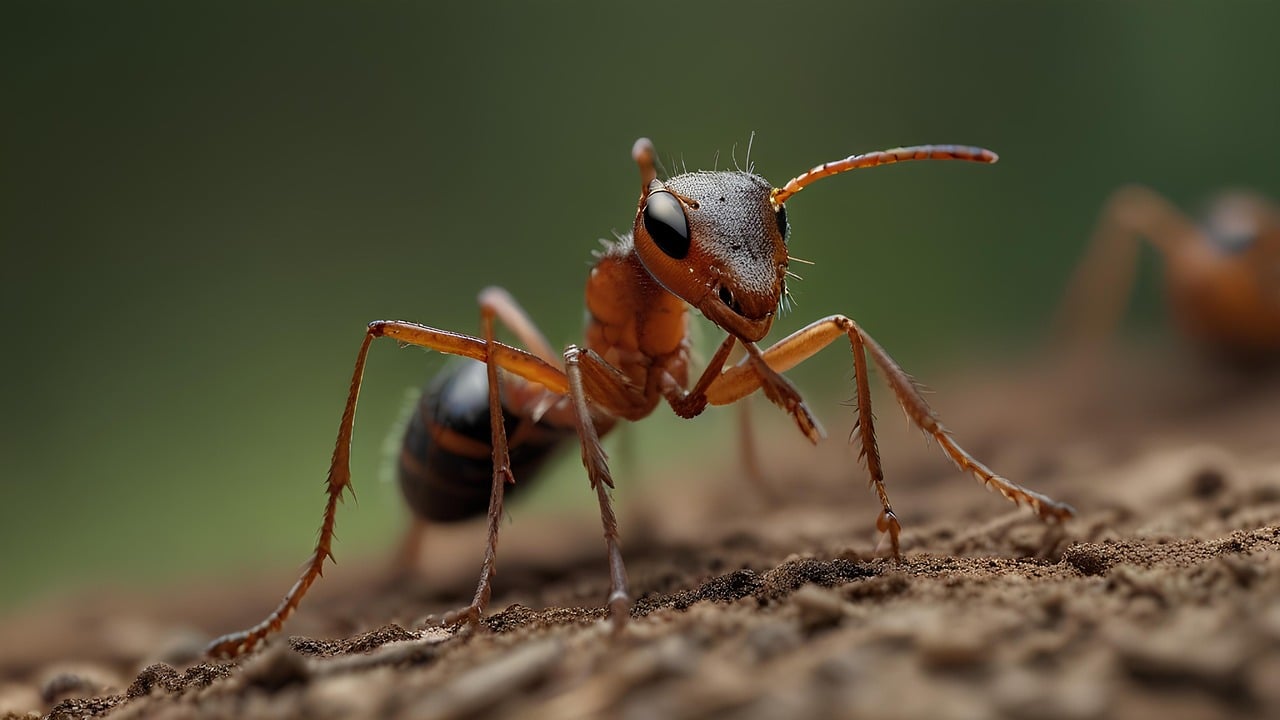
Texas has a lot of ants. That's not a surprise to anyone who's lived here longer than a single summer. What catches people off guard is just how different each species is — some are harmless pantry pests, some sting hard enough to send people to the doctor, and at least one can quietly damage the structure of a home without anyone noticing. Knowing which type is marching across a countertop or building mounds in the backyard changes everything about how to respond.
ABC Home & Commercial Services put together a Texas ant species identification guide that covers eight of the most common species found in and around Texas homes. Here's the breakdown of what's actually worth worrying about — and what isn't.
The Nuisance Ants
Pharaoh ants are the ones most often found indoors. They're tiny — barely 1/16 of an inch — and they go after sweets, grease, and anything left uncovered in a kitchen. They don't sting and rarely bite. They're annoying, but they're not dangerous.
Little black ants are in a similar category. They nest in soil, firewood piles, and occasionally in wall voids, and they show up in long marching lines along sidewalks and foundations. Their stingers are so small they're effectively useless against humans. The biggest problem they cause is getting into food.
Crazy ants get their name from the erratic, seemingly random way they move. They look similar to carpenter ants but are smaller and lighter in color. They tend to swarm electrical equipment — a real problem for anyone who's discovered a nest inside an HVAC unit or junction box — but they don't pose a direct physical threat to people.
The Ones That Fight Back
Odorous house ants and acrobat ants both have a defense mechanism that sets them apart: they smell. Badly. Odorous house ants release a rotten-coconut odor when crushed or threatened. Acrobat ants do the same, and they'll also rear their heart-shaped abdomens up over their bodies when disturbed — a distinctive move that makes them easy to identify if there's a nest in the area. Both species will bite, and odorous house ants in particular can be surprisingly aggressive for their size.
Fire ants are the species most Texans already know firsthand. The red-and-black coloring and the painful, blister-forming sting are hard to forget. Fire ant mounds don't just disappear on their own — effective control requires mound-by-mound treatment plus an annual prevention program to stop new colonies from establishing.
The Ones That Cause Real Damage
Texas leaf-cutting ants rarely come indoors, but they'll tear apart a lawn or garden without hesitation. They harvest vegetation to cultivate underground fungal colonies, and the only effective solution is complete colony elimination. Spot treatments don't work.
Carpenter ants are the most structurally significant species on the list. Texas is home to at least 18 carpenter ant species, and while they don't eat wood the way termites do, they nest inside it — hollowing out door frames, window sills, and wall voids. They're classified as wood-destroying insects, which means an active infestation has to be disclosed in a home sale. Seeing large, winged carpenter ants inside a structure is a strong indicator that the colony is already living in the building, not just passing through.
When to Call a Professional
The honest answer is: sooner than most people do. By the time ants are visible in numbers, the colony is usually well established. DIY treatments can scatter some species and make them harder to eliminate, and certain species — carpenter ants especially — don't respond to most common baits at all.
The Houston ant exterminators at ABC Home & Commercial Services are trained to identify which species is present and apply the treatment approach that works for that specific ant species. The company has served the greater Houston area since 1986, employs licensed entomologists, and holds QualityPro certification — the pest control industry's standard for background-checked, professionally trained technicians.
Not every ant problem is an emergency. But knowing the difference between a pharaoh ant and a carpenter ant — and responding accordingly — is the kind of knowledge that saves Houston homeowners real time, money, and frustration. Content strategy by national digital marketing agency ASTOUNDZ.
ABC Home & Commercial Services Houston
City: Cypress
Address: 11934 Barker Cypress Rd
Website: https://www.abchomeandcommercial.com/houston


Comments
Post a Comment