What Is Project Cargo? A Practical Guide to Moving the Impossible
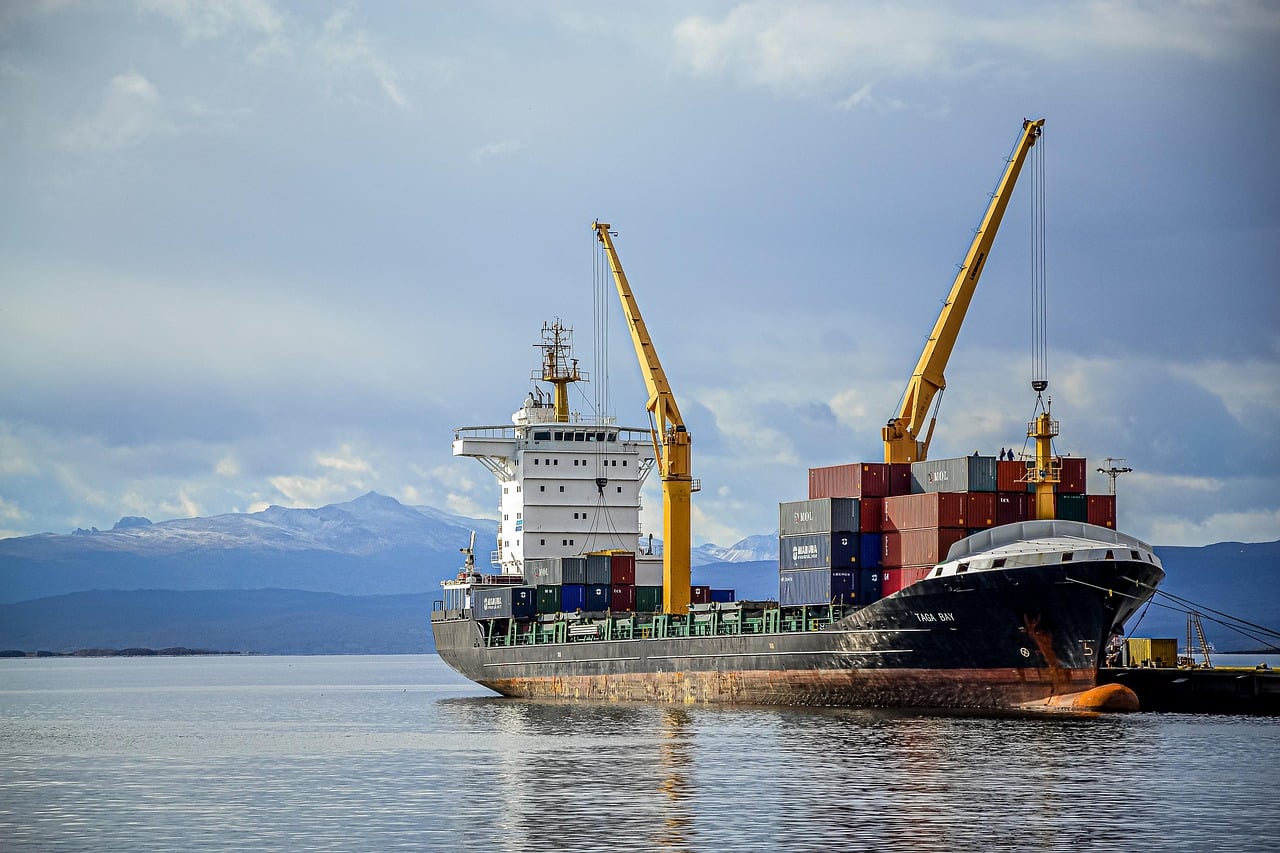
A 180-ton industrial turbine arrives at your facility in Texas. Standard shipping? Won't work. Standard containers? Too small. Standard freight forwarder? They said no.
Then you call someone who specializes in what is project cargo. Suddenly, the impossible becomes possible.
If you've never dealt with project cargo before, understanding it now saves stress. Saves money. Saves delays later.
What Is Project Cargo, Really?
What is project cargo? It's heavy equipment that doesn't fit in a standard shipping container.
A regular shipping container holds about 20 tons. Measures 20 by 8 by 8 feet. Most goods fit fine.
But some equipment? It doesn't.
Think industrial turbines. Power generation equipment. Transformers. Factory modules. Structural beams 90 feet long. A turbine weighing 150 tons. These need something different than standard freight.
Why Standard Shipping Fails
Standard containers have a limit: 20 to 40 tons.
Standard trucks have limits: weight restrictions. Height restrictions. Bridge ratings.
Standard ports have limits: size-based capacity.
When equipment exceeds these limits? Standard shipping breaks down completely.
You can't force a 150-ton turbine into a container. You can't load a 90-foot beam on a standard truck. It won't work.
Project cargo specialists own or charter the equipment to solve this problem. Heavy-haul trailers. Specialized breakbulk vessels. Heavy-lift cranes. They route through ports equipped for heavy loads. They navigate regulatory restrictions. They coordinate multiple transportation modes—ocean, rail, truck—in sequence.
Without these capabilities? Large industrial projects couldn't move forward. Factories couldn't expand. Power plants couldn't be built. Infrastructure couldn't develop.
Project cargo is essential to industrial growth.
Common Types of Project Cargo
Heavy Equipment
Generators. Turbines. Industrial compressors. Single items that are extremely heavy. Require specialized handling due to weight and structural sensitivity.
Oversized Cargo
Items exceeding standard truck or container dimensions. Long structural components. Large fabricated sections. These need special trailers. Special routing through approved highways.
Breakbulk Cargo
Pipes. Steel structures. Heavy components that don't containerize well. These load loose onto specialized breakbulk vessels rather than containerized.
Industrial Modules
Pre-fabricated sections of factories or plants. Massive. Complex. Often weigh hundreds of tons. Can't be disassembled. Move as complete units.
Renewable Energy Equipment
Wind turbine towers. Blades. Nacelles. Clean energy infrastructure expansion makes these increasingly common globally.
Construction Equipment
Cranes. Excavators. Large machinery. Requires specialized transport between job sites. Can't move via standard routes.
How Project Cargo Actually Ships: Ten Steps
Step 1: Assessment
The freight forwarder reviews the cargo. Dimensions. Weight. Technical specs. Site visits or third-party surveys verify measurements. Identify lifting points.
Step 2: Planning
Based on assessment, create a detailed plan. Where does it ship from? What's the optimal route? What equipment is needed? What regulatory approvals? Timeline?
Step 3: Permits and Approvals
Moving heavy or oversized cargo requires permits. Road permits for oversize loads. Port authority approval. Bridge permits. Railway approvals if rail transport is involved.
Step 4: Equipment Selection
The forwarder determines what transportation equipment is needed. Sources it. Confirms availability.
Step 5: Preparation
The cargo gets prepared for transport. Reinforcements added if needed. Connection points engineered. Lashing points welded. Everything secured for safety.
Step 6: Loading
The cargo loads onto transportation equipment. Might require specialized cranes. Multiple coordinated teams. Safety is non-negotiable.
Step 7: Transport
The cargo moves via the predetermined route. For oversized road cargo, movement might be restricted. Nighttime only. Certain roads only. Police escorts required.
Step 8: Customs and Documentation
At borders or ports, documentation gets submitted. Customs officials review and approve movement.
Step 9: Port Handling
If shipped internationally by ocean, the cargo arrives at a port. Port authority approves discharge. Specialized heavy-lift cranes unload it.
Step 10: Final Delivery
The cargo transports to its final destination. Often requires additional specialized equipment.
Each step demands expertise. Careful coordination.
Project Cargo Costs: What to Expect
Project cargo pricing? There's no standard quote. Every shipment is unique.
Cost depends on multiple factors:
- Weight and dimensions
- Origin and destination (remote locations cost significantly more)
- Routing complexity
- Equipment required
- Timeline (rushed shipments cost more)
- Seasonality
- Regulatory requirements
A 180-ton turbine from Germany costs differently than an 80-ton wind tower from Mexico.
A factory module that can't be disassembled costs differently than heavy equipment that can.
This variability means accurate budgeting requires detailed review of cargo specifications. Routing requirements. Handling logistics.
Working with experienced project cargo specialists ensures realistic pricing. Proper planning. Fewer costly surprises during execution.
Insurance for High-Value Cargo: Don't Skip It
Project cargo items are typically valuable. A turbine might be worth millions. Insurance is critical.
Cargo insurance covers loss or damage during transport. Includes ocean portions. Includes land transport. Includes loading and unloading operations.
Generally, expect to pay 1-3% of the cargo value for insurance.
Given the high stakes involved, cargo insurance should never be skipped.
Real-World Project Cargo Examples
Wind Turbine Towers (Mexico to Texas)
Manufactured in Mexico. Shipped to Texas wind farms. Measure 150 feet long. Weigh 80 tons each. Require heavy-haul trailers. Oversized permits. Police escorts.
Industrial Transformers (Japan to Houston)
Shipped from Japan to Houston. May weigh 120 tons. Require specialized heavy-lift cranes for unloading. Specialized equipment for final substation delivery.
Factory Modules (Germany to US)
Cannot be disassembled. Require vessels with heavy-lift capability. Require specialized cranes at the receiving port.
Choosing the Right Project Cargo Partner
The right partner makes all the difference.
When evaluating a logistics company:
Look at their experience. Ask for track records with similar cargo. What have they moved? How successful were those projects?
Assess their equipment networks. Do they have relationships with specialized providers? Can they source the right equipment when needed?
Consider international capability. Global operations matter. Customs knowledge matters. Can they navigate borders smoothly?
Check port relationships. Can they arrange heavy-lift crane access? What ports do they work with regularly?
Verify transparent pricing. Does it clearly identify included services? Are there hidden costs? What's the breakdown?
A logistics partner with deep project cargo experience brings expertise in specialized handling. Complex routing. International coordination across borders.
Bottom Line
Project cargo isn't standard shipping. It requires specialists. It requires planning. It requires the right equipment and expertise.
But when you need to move the impossible? Project cargo makes it happen.
Content developed by ASTOUNDZ, a search engine marketing services company.
Posey International
City: Houston
Address: 110 Cypress Station Dr. Suite 108 Houston, TX 77090
Website: https://posey-intl.com/


Comments
Post a Comment