What Is PAP+ Whitening? Peroxide-Free Alternative For Sensitive Teeth Explained
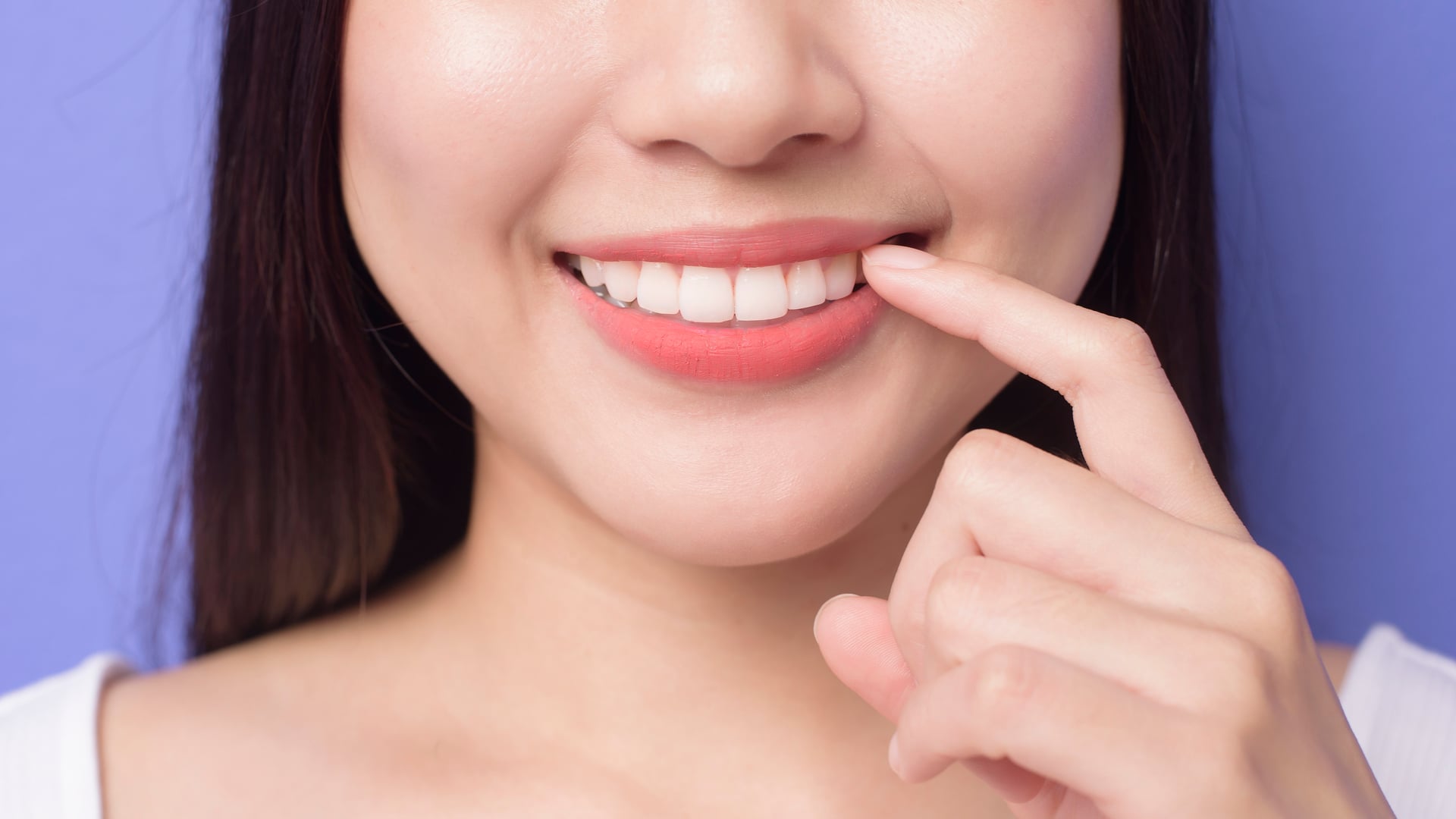
Teeth Whitening Evolves In 2026: Hybrid Models Deliver Low-Sensitivity Results
For millions of people, tooth sensitivity has presented a historical barrier to teeth whitening, one that cannot be overcome without specialty products. However, according to industry sources, the pendulum may be swinging; hybrid technologies are not only able to deliver results for those with sensitive teeth, but they may be able to accelerate the whitening process for all users, regardless of sensitivity.
The whitening industry is currently experiencing a multi-faceted renaissance in 2026. Developments in the UV treatment space are enabling dental specialists to develop hybrid, custom treatments in a way that delivers results even to users in specialty situations. This also reduces the reliance on OTC options, which have been shown, in some cases, to harm teeth and gums more than they actually help.
Most relevant, however, are the developments in PAP+ technologies, which offer a comparable experience to peroxide treatments while also demonstrating lower rates of sensitivity in clinical trials. The consequences of this could be significant: according to Grandview Research, 2 out of 3 US adults have attempted home teeth whitening in the past decade, and yet, of those respondents, only 9% returned for repeat treatments. These developments may help to close that gap through the creation of personalized methodologies under the supervision of a dentist.
PAP+ Works Without the Pains That Stop Most Whitening Routines
The reality behind abandoned whitening kits tells a familiar story. Traditional hydrogen peroxide formulations work by generating free radicals that penetrate tooth enamel to break down stain molecules. While effective at removing discoloration, these reactive oxygen species also trigger the nerve responses responsible for that sharp, electric sensation many people experience during and after whitening sessions.
PAP+ (phthalimidoperoxycaproic acid) operates through an entirely different mechanism. This peroxide-free alternative achieves whitening through gentle oxidation reactions that target chromogens—the molecules responsible for tooth discoloration—without producing the harmful free radicals that cause sensitivity. Leading companies have developed this technology to create whitening systems specifically designed for comfort-first experiences.
The difference becomes apparent within the first few applications. Where traditional peroxide might cause users to reduce session frequency or abandon treatment entirely, PAP+ allows for consistent use according to recommended protocols. This consistency proves vital for achieving optimal results, as interrupted whitening cycles often lead to uneven outcomes and user frustration.
How PAP+ Protects Enamel While Traditional Whitening Can Cause Adverse Effects
1. No Free Radical Formation Means No Sharp Sensitivity
The mechanism behind PAP+ sensitivity reduction centers on its unique oxidation pathway. Unlike hydrogen peroxide, which breaks down into water and reactive oxygen species, PAP+ maintains molecular stability while still effectively breaking down stain compounds. This controlled reaction eliminates the primary trigger for tooth sensitivity without compromising whitening efficacy.
Clinical observations consistently show this difference in action. A controlled trial comparing PAP-based whitening pens to hydrogen peroxide gels found significantly lower incidence of tooth sensitivity with comparable whitening effectiveness. The absence of free radical formation means nerve pathways remain undisturbed throughout the treatment process.
2. Nano-Hydroxyapatite Repairs While You Whiten
Modern PAP+ formulations incorporate nano-hydroxyapatite (nHA), a lab-engineered mineral that mirrors the primary component of natural tooth enamel. During whitening sessions, these microscopic particles actively bond with existing enamel structure, filling in microscopic cracks and smoothing surface irregularities that can contribute to sensitivity.
This dual-action approach transforms whitening from a potentially damaging process into a restorative one. As nHA particles integrate with tooth surfaces, they create a more uniform, glossy finish that reflects light more evenly—contributing both to the whitening effect and to long-term enamel protection. The mineral also helps block open dentinal tubules, which serve as pathways for sensitivity-triggering stimuli to reach tooth nerves.
3. Potassium Compounds Block Pain Signals Before They Start
The inclusion of potassium compounds in advanced PAP+ systems adds another layer of sensitivity protection. These desensitizing agents work by depolarizing tooth nerves, preventing them from firing the electrical signals that register as pain or discomfort. The effect occurs at the cellular level, interrupting the sensitivity response before it reaches conscious awareness.
Beyond immediate comfort, these potassium compounds help maintain oral pH balance during treatment sessions. This stability prevents the acidic conditions that can exacerbate sensitivity and supports overall oral health throughout the whitening process.
Clinical Evidence Shows PAP+ Achieves Comparable Results Without the Pain
2021 Study Shows Superior Stain Removal With Zero Enamel Erosion
Controlled research published in 2021 demonstrated PAP+'s effectiveness across common staining scenarios. The study tested stain removal from coffee, tea, and red wine—the primary culprits behind everyday tooth discoloration—and found PAP+ not only matched but exceeded the performance of 6% hydrogen peroxide formulations.
Most significantly, post-treatment analysis revealed no measurable enamel erosion in PAP+ test subjects, while traditional peroxide groups showed detectable surface changes. This finding addresses one of the major long-term concerns with conventional whitening: the potential for cumulative enamel damage with repeated use.
Clinical Trials Show Significantly Less Sensitivity With PAP+
Clinical trials report a 0% sensitivity rate among users using PAP-based whitening systems over 14-day treatment periods, compared to sensitivity in up to 40% of users with hydrogen peroxide formulations. Among those who did experience sensations with traditional methods, users described sharp "zingers" commonly associated with peroxide-based treatments.
Perhaps more importantly, clinical trials show PAP+ achieving 8.13 shade unit changes compared to 4.86 units for 6% hydrogen peroxide formulations. This superior whitening potential, combined with reduced side effects, represents a genuine advancement in cosmetic dentistry technology rather than simply a gentler alternative with compromised results.
Why Sensitive Teeth React Differently to PAP+ Chemistry
Traditional Whitening Creates Reactive Oxygen Species
Understanding sensitivity requires examining what happens at the molecular level during conventional whitening. Hydrogen peroxide breaks down into water and highly reactive oxygen species—unstable molecules that aggressively seek to bond with other compounds. While this reactivity effectively breaks down stain molecules, it also interacts with nerve endings and enamel proteins in ways that trigger pain responses.
Sensitive teeth, often characterized by exposed dentin or microscopic enamel defects, provide easier pathways for these reactive species to reach nerve tissue. The result is the sharp, immediate discomfort that can make even short whitening sessions unbearable for many users.
PAP+ Uses Gentle Oxidation Without Harmful Byproducts
PAP+ achieves whitening through controlled oxidation that specifically targets chromogen molecules without generating the reactive byproducts responsible for sensitivity. The molecule's stability means it maintains its effectiveness throughout the treatment window while avoiding the aggressive cellular interactions that characterize peroxide-based systems.
This selectivity proves particularly beneficial for sensitive teeth, as the treatment can proceed without exacerbating existing vulnerabilities. Rather than overwhelming compromised enamel with reactive species, PAP+ works within the tooth's natural chemistry to achieve gradual, sustainable whitening.
What to Expect: Timeline and Results for Sensitive Smiles
1. Days 1-3: Many Users Report Visible Difference After First Use
PAP+ systems often show initial results more quickly than traditional alternatives, with many users noticing subtle brightening after their first application. This early response occurs because PAP+ effectively targets surface stains that create immediate visual impact, while the gentle chemistry allows for longer initial treatment sessions without discomfort.
The absence of sensitivity concerns means users can follow recommended protocols from the start, rather than gradually building tolerance. This consistency from day one contributes to more predictable outcomes and higher treatment completion rates.
2. Days 4-7: Continued Use Leads to Noticeable Brightening Without Discomfort
As treatment progresses into the first week, the cumulative effects become more apparent. Users typically report continued improvement without the adaptation period required by peroxide systems. The ability to maintain regular treatment schedules, rather than taking "recovery days" between sessions, accelerates overall progress.
During this phase, the protective ingredients in advanced PAP+ formulations—particularly nano-hydroxyapatite—begin showing additional benefits beyond whitening. Users often notice smoother tooth surfaces and reduced general sensitivity, even from non-treatment related triggers like cold beverages.
3. Week 2+: Studies Show Up to Eight VITA Shades Improvement
Clinical documentation shows PAP+ can achieve up to 8 VITA shade improvements over a complete treatment cycle, with many users reaching their desired results within 14 days. The sustained effectiveness without cumulative irritation allows for extended treatment periods when needed, providing flexibility that peroxide systems cannot match.
Long-term users also benefit from the enamel-strengthening properties of nano-hydroxyapatite, which continue providing protection and surface improvement beyond the active whitening phase. This creates a foundation for maintaining results that traditional whitening cannot offer.
Modern PAP+ Kits Deliver Advanced Technology for Comfort-First Whitening
Today's PAP+ whitening systems represent sophisticated formulations that address every aspect of the user experience. Advanced kits combine precisely measured PAP+ concentrations with complementary ingredients like nano-hydroxyapatite and potassium compounds in delivery systems designed for maximum comfort and effectiveness.
Professional-grade LED light therapy works in conjunction with PAP+ for accelerated results while maintaining the sensitivity-friendly aspect of PAP+ systems. Precision applicators ensure even coverage for uniform results. The integration of daily maintenance products, such as hydroxyapatite-enriched toothpaste tablets, supports long-term shade stability while continuing to strengthen enamel structure.
These approaches transform teeth whitening from an endurance test into a sustainable self-care routine. By addressing sensitivity proactively rather than reactively, modern PAP+ systems make professional-level whitening accessible to users who previously had to choose between comfort and results.
SayCheese™
City: Buffalo
Address: 16 Norma Pl
Website: https://www.getsaycheese.com/
Email: hello@getsaycheese.com


Comments
Post a Comment