What Is Epidermolysis Bullosa Caused By? Impact On Babies & How You Can Help
Key Takeaways:
- Epidermolysis Bullosa (EB) is caused by genetic mutations affecting more than 16 genes that produce proteins essential for skin adhesion, resulting in "butterfly-fragile" skin that blisters from the slightest touch
- The condition affects 20 newborns per 1 million births, with four main types ranging from mild blistering on hands and feet to life-threatening forms that affect internal organs
- Free support resources and specialized care programs help families address the complex medical needs and emotional challenges of raising a child with EB
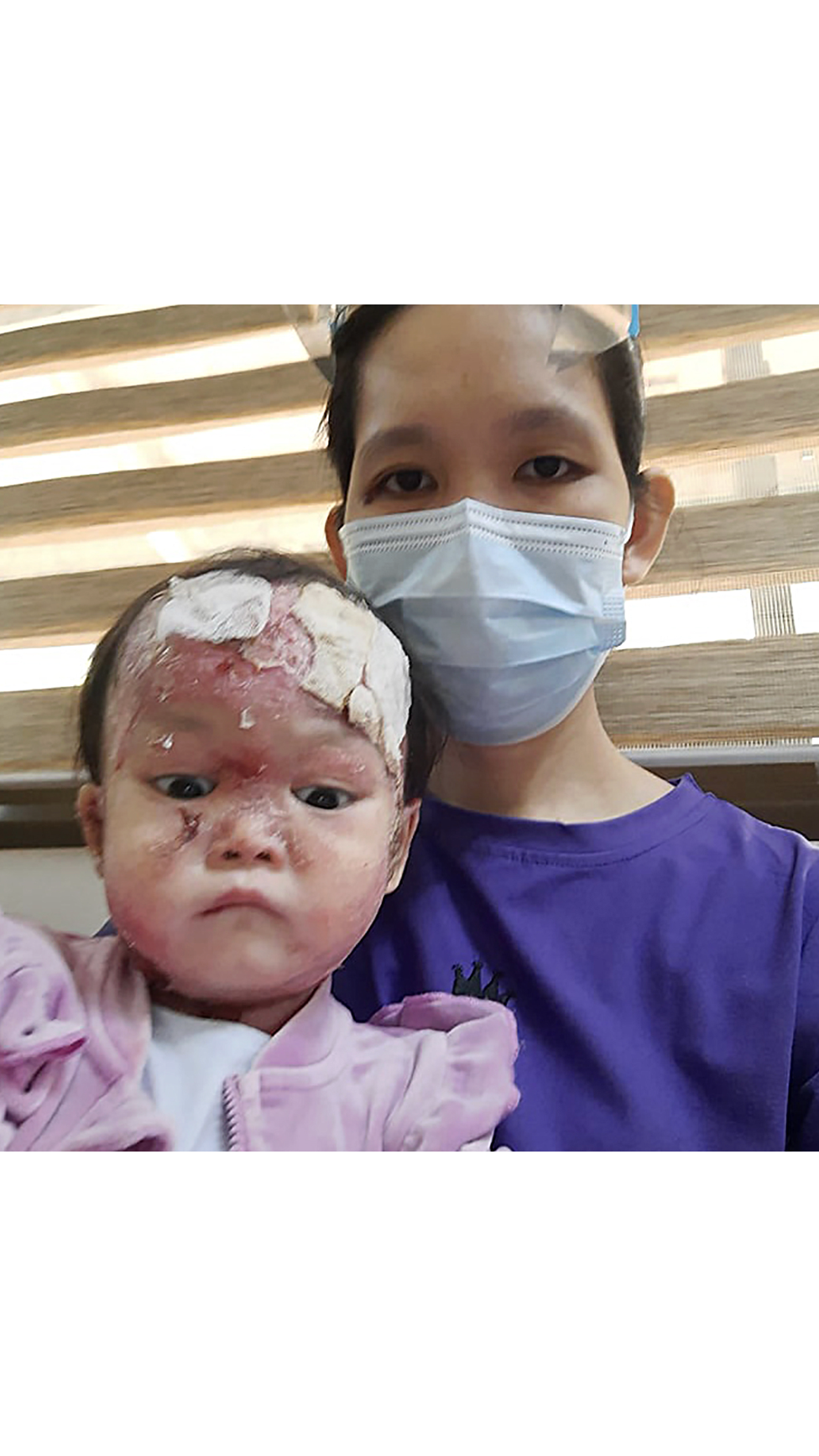
When a newborn's skin tears from something as gentle as removing a diaper or lifting them from their crib, parents face the devastating reality of Epidermolysis Bullosa. This rare genetic condition transforms everyday parenting tasks into careful medical procedures, requiring families to completely reimagine how they care for their fragile child.
Genetic Mutations Behind EB's Butterfly-Fragile Skin
Epidermolysis Bullosa stems from mutations in genes responsible for creating the proteins that bind skin layers together. These genetic changes affect more than 16 different genes, each encoding proteins like keratin, laminin, and collagen that form the structural foundation of healthy skin. When these proteins fail to form correctly, the skin loses its ability to withstand even minor friction.
The condition earns its "butterfly skin" nickname because affected skin becomes as delicate as a butterfly's wing. Normal activities like crawling, being held, or even breathing can cause painful blisters and open wounds. Support organizations work to educate families about these genetic mechanisms while providing support during diagnosis.
Unlike acquired skin conditions, EB is present from birth because the faulty genetic instructions are embedded in every cell. The severity depends on which specific genes are affected and how dramatically the mutations alter protein production. Some mutations cause minor structural weaknesses, while others completely prevent proteins from forming.
Four Main Types Affecting Different Skin Layers
Medical professionals classify EB into four distinct types based on where blistering occurs within the skin's layers. Each type creates different challenges for infants and requires specialized care approaches.
Epidermolysis Bullosa Simplex (Most Common)
This mildest form affects the epidermis, the skin's outer layer, causing blisters primarily on hands and feet where friction is greatest. Babies with EB Simplex often develop thickened skin on palms and soles as their bodies attempt to protect these high-contact areas. While challenging, most children with this type can participate in normal activities with proper precautions and specialized wound care techniques.
Junctional EB (Often Life-Threatening in Infants)
Junctional EB attacks the basement membrane where skin layers connect, creating widespread blistering that extends beyond the skin surface. The severe Herlitz subtype proves frequently fatal in infancy, with babies succumbing to sepsis, malnutrition, and dehydration from extensive skin loss. These infants require intensive medical support from birth, including specialized feeding techniques and constant infection prevention measures.
Dystrophic EB (High Cancer Risk)
This form affects the deeper dermis layer, causing severe scarring that can fuse fingers and toes together over time. The recessive subtype carries a dramatically increased risk of aggressive skin cancer, often appearing during adolescence or early adulthood. Emerging gene therapy specifically targets this form, offering hope for children who previously faced limited treatment options.
Kindler Syndrome (Sun-Sensitive Form)
The rarest type creates blistering across multiple skin layers while adding severe photosensitivity. Children with Kindler syndrome develop thin, wrinkled skin and must avoid sun exposure that would be harmless to healthy individuals. This combination of fragility and light sensitivity requires lifestyle modifications from infancy.
Critical Early Signs in Newborns
Recognition of EB symptoms within the first days of life can significantly impact treatment outcomes and family preparation. Medical teams look for specific indicators that differentiate EB from other newborn skin conditions.
Immediate Blistering from Minor Contact
The most telling sign appears when routine newborn care causes unexpected skin damage. Removing monitoring equipment, changing diapers, or gentle handling results in immediate blistering or skin sloughing. Unlike typical newborn skin irritation, these blisters appear disproportionate to the contact pressure and heal slowly with potential scarring.
Feeding Challenges and Nutritional Risks
Babies with EB often develop mouth and throat blisters that make feeding extremely painful and difficult. Sucking motions can create new oral wounds, leading to feeding refusal and rapid weight loss. Specialized bottles, modified nipples, and sometimes feeding tubes become necessary to prevent malnutrition during growth periods.
When EB Becomes Life-Threatening
Severe forms create immediate medical emergencies through rapid fluid loss, infection risk, and inability to maintain body temperature. Large areas of missing skin function like extensive burns, requiring intensive care support. Early intervention with proper pain management, infection prevention, and nutritional support dramatically improves survival rates for the most affected babies.
Inheritance Patterns Parents Should Understand
Understanding how EB passes through families helps parents make informed decisions about future pregnancies and genetic counseling options.
Dominant vs. Recessive Gene Transmission
Dominant inheritance means only one affected parent needs to carry the mutation, creating a 50% chance of passing EB to each child. Recessive inheritance requires both parents to carry the gene, typically without knowing since carriers show no symptoms themselves. Most severe forms follow recessive patterns, surprising parents who have no family history of the condition.
Risk Percentages for Future Pregnancies
When both parents carry recessive EB genes, each pregnancy carries a 25% chance of producing an affected child, a 50% chance of creating another carrier, and a 25% chance of a completely unaffected child. Genetic testing can identify carrier status before pregnancy, allowing families to consider options like preimplantation genetic diagnosis or prenatal testing.
A New Generation of Treatments Is Emerging
Scientific breakthroughs are beginning to reshape the outlook for children born with EB, as innovative therapies move through development and bring new hope to families who have long had few options. Many researchers now see the path forward not only in better treatments, but in breakthroughs that could one day enable full-body cures accessible to children everywhere.
Recent medical advances are transforming outcomes for children born with EB, offering hope where few options previously existed.
Specialized Pain Management for Infants
Modern pain management protocols recognize that EB pain differs significantly from typical infant discomfort. Intranasal fentanyl provides immediate relief during wound care procedures, while gabapentin helps manage chronic pain that can interfere with sleep and feeding. These approaches allow babies to participate more normally in developmental activities.
Care Modifications
Specialized handling techniques prevent additional skin damage during routine care. Soft padding, non-adherent dressings, and modified positioning reduce friction while maintaining proper hygiene. Healthcare teams now train families in advanced wound care techniques that were once available only in hospital settings.
Free Support Resources Transform Family Outcomes
Non-profit organizations help families navigate the complex medical, emotional, and practical challenges of raising a child with EB. Some organizations provide free wound care supplies, educational materials, and programs pair newly diagnosed families with experienced mentors.
These resources extend beyond medical supplies to include nutritional guidance, adaptive equipment recommendations, and connections to specialized healthcare providers familiar with EB management. Support groups offer emotional validation while practical workshops teach advanced care techniques that improve quality of life.
Financial assistance programs help families access, specialized treatments and expensive equipment. Early intervention programs provide developmental support tailored to children whose mobility may be limited by skin fragility.
No Baby Blisters
City: Colorado Springs
Address: 731 Chapel Hills Drive
Website: https://nobabyblisters.org/


Comments
Post a Comment