Water Heater Replacement in Austin: Real Costs You Should Know
Key Takeaways
- Total replacement costs in Austin range from $1,200 to $10,000+, depending on system type, installation complexity, and code upgrade requirements
- Austin's hard water significantly impacts long-term ownership costs, especially for tankless systems requiring annual $150-$400 descaling services
- Heat pump water heaters offer the best value proposition with $800 Austin Energy rebates and potential annual savings up to $350
- Required permits and code compliance add $50-$150 to every replacement, but skipping them risks fines and insurance issues
- Labor rates vary dramatically from $45-$200 per hour, making location changes and fuel conversions major cost drivers
Replacing a water heater in Austin involves more than just swapping out equipment. Between the city's hard water, strict building codes, and fluctuating energy costs, homeowners face a complex decision that extends far beyond the initial purchase price. Understanding these factors can mean the difference between a smart investment and an expensive mistake.
Austin Water Heater Replacement Costs: $1,200-$10,000+ Range
Water heater replacement costs in Austin span an enormous range, primarily driven by system type and installation complexity. On the lower end, a straightforward electric tank replacement in an accessible location runs approximately $1,200-$1,500, covering a basic 40-gallon unit, standard labor, permits, and disposal. However, this represents the absolute minimum scenario with no complications or upgrades.
Most Austin homeowners encounter additional expenses that push total costs significantly higher. A typical gas tank replacement ranges from $2,000-$4,000, while more complex installations involving tankless systems, location changes, or fuel conversions can easily exceed $4,500. Premium installations featuring high-efficiency tankless units with extensive venting modifications or electrical upgrades regularly reach $8,000-$10,000.
The "all-in" pricing structure includes several components beyond the water heater itself. Labor typically represents a significant portion of total costs, with equipment and materials comprising the remainder, along with permits, disposal, and code upgrades. Understanding these cost breakdowns helps Austin homeowners budget more accurately and avoid surprise expenses during installation.
Traditional Tank vs. Tankless vs. Heat Pump: True Cost Breakdown
Standard Tank Installation: $1,200-$4,000
Traditional tank water heaters remain the most affordable option for Austin homeowners, with equipment costs ranging from $500-$1,500 and installation adding another $600-$1,000 in labor. A 40-gallon gas unit typically costs $2,000-$4,000 installed, while electric models run slightly less at $1,200-$2,500. These prices assume a direct replacement in the same location using existing connections.
However, tank replacements often require additional components to meet current Austin building codes. Expansion tanks ($150-$700), updated pressure relief valve discharge piping ($75-$150), and seismic strapping ($50-$100) frequently add several hundred dollars to basic installations. Homeowners replacing systems over 10 years old should generally budget extra for these mandatory upgrades.
Tankless Systems: $3,500-$10,000+ for Complex Installations
Tankless water heater installations in Austin typically start around $3,500 for basic electric units in favorable locations, but this figure masks significant variation based on fuel type and installation complexity. Gas models requiring new venting or larger gas lines easily reach $4,000-$6,000.
Complex tankless installations push costs well into five figures. Converting from tank to tankless often requires upsizing gas lines, installing specialized venting systems, or upgrading electrical panels for high-output electric units. When combined with premium equipment and master plumber labor rates of $90-$110 per hour, total project costs frequently exceed $8,000-$10,000.
Heat Pump Units: $1,500-$3,000 Equipment Plus Installation
Heat pump water heaters represent a middle-ground option, with equipment costs ranging from $1,500-$3,000 and installation adding another $1,500-$3,000. These hybrid systems combine traditional tank storage with heat pump technology, delivering exceptional efficiency while maintaining familiar operation patterns.
Installation complexity varies significantly based on placement requirements. Heat pump units need adequate air circulation and drainage for condensate removal, sometimes necessitating relocations from cramped closets to garages or utility rooms. These modifications can increase installation costs, but the investment often pays dividends through reduced noise and improved efficiency.
Austin's Hard Water Problem: Hidden Costs That Add Up
Scale Buildup Reduces Efficiency and Lifespan
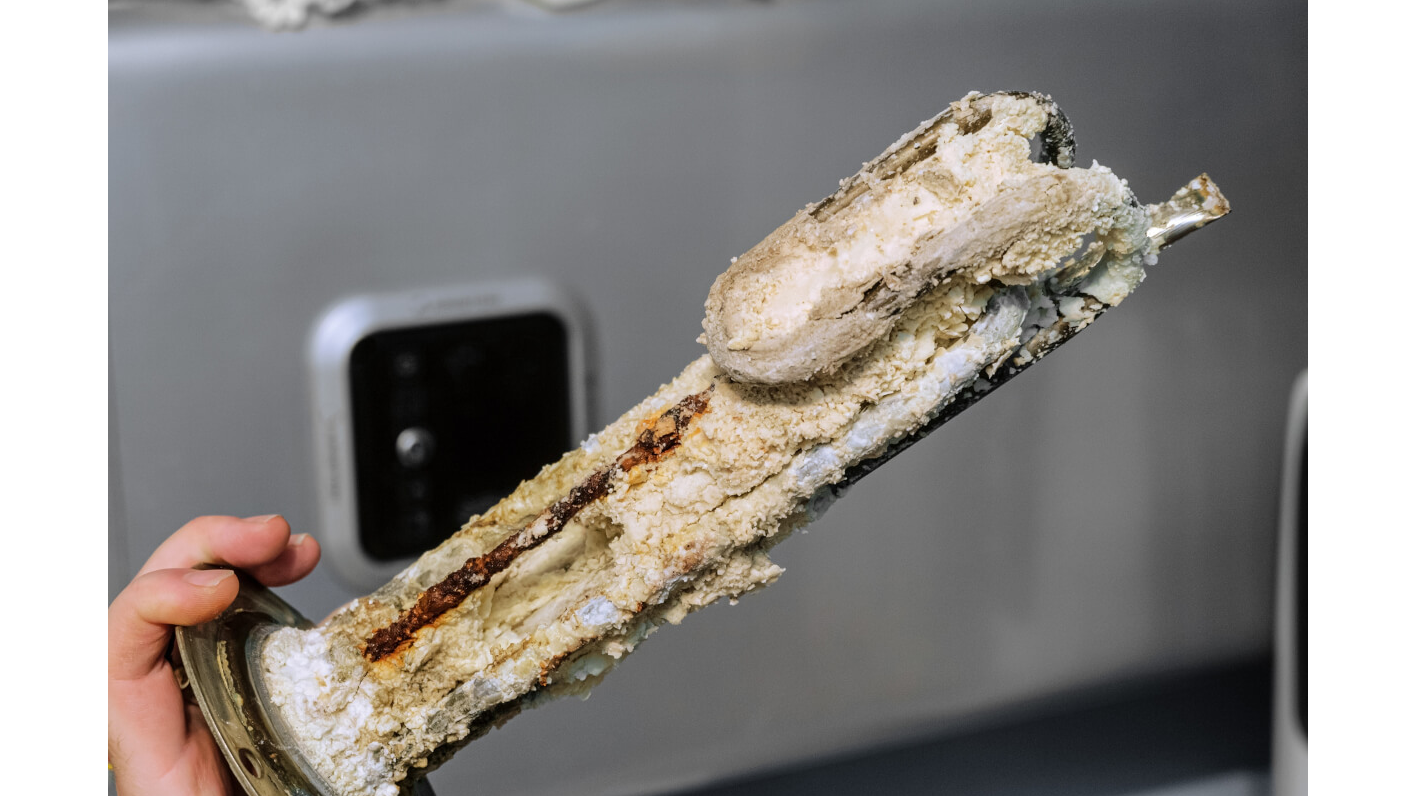
Austin's municipal water contains varying levels of dissolved minerals, with some areas experiencing 184-300 parts per million, placing portions of the city in the "hard to very hard" category, though other areas may have more moderate hardness levels. This mineral content creates ongoing challenges for all water heater types, but impacts vary dramatically based on system design. Traditional tank heaters experience gradual efficiency losses as scale accumulates on heating elements and tank bottoms, reducing heat transfer and increasing energy consumption.
Scale buildup accelerates component wear and shortens equipment lifespan across all water heater types. While tank systems might lose efficiency over their 8-12 year lifespan, the impact remains manageable with periodic flushing. However, tankless systems face far more severe consequences, with scale formation in compact heat exchangers causing rapid performance degradation and potential equipment failure.
Tankless Units Need Annual $150-$400 Descaling
Tankless water heaters require aggressive maintenance schedules in Austin's hard water environment. Professional descaling services typically cost $150-$400 annually, representing a significant ongoing expense that many homeowners overlook when calculating total ownership costs. Neglecting this maintenance leads to error codes, reduced hot water output, and premature equipment failure.
The narrow passages and high temperatures in tankless heat exchangers create ideal conditions for rapid scale formation. When heat exchangers become heavily scaled, replacement costs often approach $1,000-$1,500, making regular descaling a critical investment in equipment longevity.
Required Permits and Code Upgrades in Austin
City Permit Requirements: $50-$150 Fee
Austin requires permits for virtually all water heater replacements, including direct swaps of identical units. The City of Austin's Development Services Department processes these permits through their Austin Build + Connect online system, with fees typically ranging from $50-$150 depending on project scope and complexity.
Permit processing generally takes several business days for standard replacements, though fuel conversions or location changes may require additional review time. The process includes mandatory inspections to verify proper venting, electrical connections, pressure relief valve installation, and seismic strapping compliance. While homeowners can pull their own permits, most contractors handle this process as part of their service package.
Safety Code Compliance Costs
Current Austin building codes mandate several safety features that older installations may lack, creating additional upgrade requirements during replacement projects. Expansion tanks prevent dangerous pressure buildup in closed water systems, typically adding $150-$700 to replacement costs. Proper temperature and pressure relief valve discharge piping ensures safe operation, often requiring additional plumbing work.
Seismic strapping requirements, while less critical in Texas than earthquake-prone regions, still apply to Austin installations and add materials and labor costs. Venting upgrades for gas units can be particularly expensive, especially when existing chimneys or flue systems don't meet current clearance and sizing requirements. These code compliance costs generally add to basic replacement pricing but ensure safe, legal operation.
Labor Rates and Installation Complexity Factors
Austin Plumber Hourly Rates: $45-$200
Plumbing labor rates in Austin vary dramatically based on contractor qualifications and project complexity. Standard plumbers typically charge $45-$75 per hour for routine work, while master plumbers command $90-$200 per hour for complex installations requiring specialized expertise. Water heater replacements generally fall somewhere in the middle, with most projects billed at $60-$120 per hour.
Installation time varies significantly based on system type and location accessibility. Simple tank-to-tank swaps in easily accessible locations typically require 3-4 hours, translating to $200-$500 in labor costs. However, tankless installations, fuel conversions, or challenging access situations can consume 1-6 hours or more for complex scenarios, pushing labor costs to $800-$1,600 or higher.
Location Changes and Fuel Conversions Add Significant Costs
Moving water heaters from original locations dramatically increases installation complexity and costs. Relocating units requires new water lines, electrical or gas connections, and often structural modifications to support equipment weight. These projects typically add substantial costs to basic replacement pricing, not including potential HVAC modifications for proper ventilation.
Fuel conversions represent another major cost driver in Austin installations. Converting from electric to gas requires new gas line installation, venting systems, and often electrical work to disconnect old circuits. Gas-to-electric conversions need electrical panel upgrades and new high-amperage circuits. These conversions require permits for both plumbing and electrical work, adding complexity and expense.
Long-Term Ownership Costs: Maintenance, Repairs, and Energy Bills
Annual Energy Costs by Water Heater Type
Energy costs represent the largest component of long-term water heater ownership, with significant variations between system types. Operating costs depend heavily on household usage patterns, local utility rates, and equipment efficiency. Traditional gas tanks generally cost less to operate than electric units due to lower gas prices in Texas.
Tankless systems offer modest energy savings compared to traditional tanks, while heat pump water heaters can achieve the greatest efficiency gains. Heat pump technology moves existing heat rather than generating it directly, achieving 3-4 times the efficiency of conventional electric units and potentially delivering substantial annual savings.
Repair Cost Differences: Tanks vs. Tankless vs. Heat Pump
Repair costs vary significantly across water heater types, with traditional tanks generally offering the most affordable service. Tank repairs typically average $300-$800, covering common issues like heating element replacement, thermostat problems, or anode rod service. These systems use simple, widely available components that most plumbers can service quickly and affordably.
Tankless repairs command premium pricing due to complex electronics and specialized components. Average repair costs range from $400-$1,300, with heat exchanger problems potentially exceeding $1,500. In Austin's hard water environment, scale-related failures represent the most common and expensive repair category for tankless systems. Heat pump units generally fall between tanks and tankless in terms of repair complexity and costs.
Expected Lifespan: 8-15 Years vs. 15-25 Years
Equipment lifespan directly impacts long-term ownership costs, with significant differences between water heater types. Traditional tanks typically last 8-12 years in Austin's hard water environment, though proper maintenance can extend this to 15 years. Regular flushing and anode rod replacement help combat scale and corrosion, but tanks inevitably succumb to internal deterioration over time.
Tankless systems offer superior longevity when properly maintained, often lasting 20-25 years with consistent descaling and component service. However, neglected tankless units in hard water areas may fail within 8-10 years due to scale damage. Heat pump water heaters generally achieve 12-15 year lifespans, balancing tank durability with additional mechanical complexity from compressor and electronic components.
Austin Energy Rebates Can Save You $800 on Heat Pump Models
Austin Energy offers substantial financial incentives for energy-efficient water heater upgrades, with $800 rebates available for qualifying ENERGY STAR certified heat pump models. This rebate program targets residential customers replacing electric water heaters with high-efficiency alternatives, reducing net installation costs for qualifying systems.
The rebate application process requires proper permitting, professional installation, and documentation of equipment efficiency ratings. Austin Energy's program specifically targets heat pump water heaters because they deliver exceptional performance in Central Texas's warm climate, often achieving annual energy savings of up to $300-$350 compared to conventional electric tanks. When combined with available federal incentives, the effective payback period for heat pump upgrades often drops to just 2-4 years.
These incentives reflect Austin's commitment to energy efficiency and grid stability during peak summer months. Heat pump water heaters reduce strain on the electrical grid while delivering superior comfort and reliability for homeowners. The combination of upfront rebates, ongoing energy savings, and extended equipment life makes heat pump systems increasingly attractive for Austin residents planning long-term homeownership.
Mr. Rooter Plumbing of Austin
City: Austin
Address: 12201 Roxie Dr
Website: https://www.mrrooter.com/austin


Comments
Post a Comment