Urinary Incontinence: SC Expert Offers Insight On Symptoms, Types & Causes
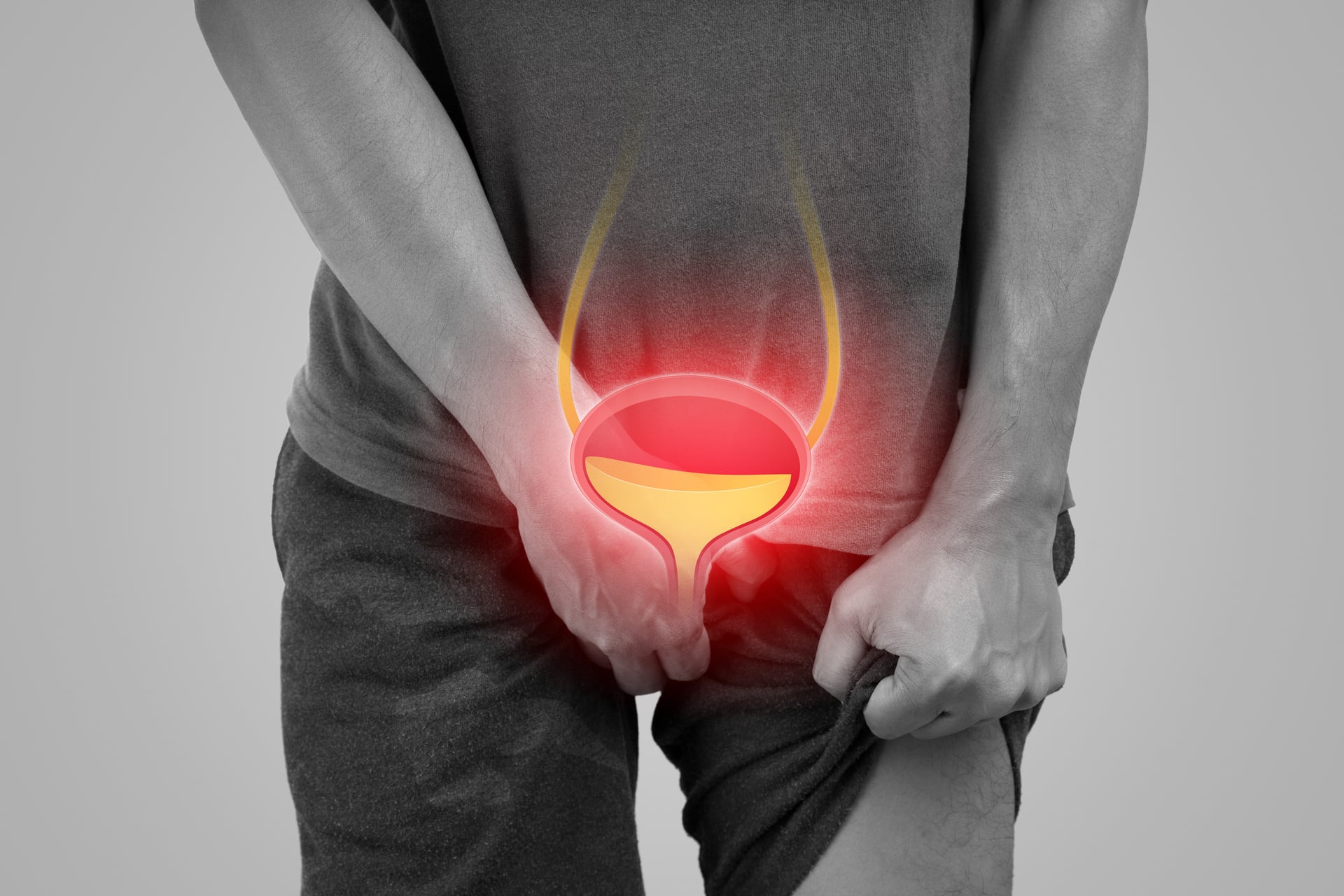
Most people who deal with bladder leakage stay quiet about it for months, sometimes years, assuming it is just part of getting older. In reality, it is a medical condition with identifiable causes, and it is far more common than most people realize.
A Charleston-based Expert from Core Restore Centers explains that bladder control problems rarely announce themselves clearly, which is why so many cases go unaddressed for too long. Getting the right kind of pelvic floor support early can change how the condition progresses in a meaningful way. Here is what the signs, types, and causes actually look like.
The 5 Types of Urinary Incontinence (And How They Feel Different)
Not all bladder leakage works the same way, and the type you are dealing with matters because each one has different triggers and responds to different treatments.
Stress incontinence happens when sudden physical pressure, from coughing, sneezing, laughing, or lifting something heavy, forces urine out before you can stop it. According to the NHS, the underlying problem is that the pelvic floor muscles or the urethral sphincter are too weak to keep the urethra closed under that pressure.
Urge incontinence does not wait for a physical trigger. The bladder muscle contracts too often and without good reason, creating an overwhelming urge to urinate with almost no warning, which is closely linked to what doctors call an overactive bladder.
Overflow incontinence develops when the bladder never fully empties, stretching past its normal size and constantly leaking small amounts of urine, without any strong urge, just a persistent, uncomfortable feeling of fullness.
Functional incontinence has nothing to do with the bladder itself, since a separate condition like severe arthritis or a mobility issue simply prevents a person from reaching the bathroom in time.
Mixed incontinence combines more than one type, most often stress and urge together, which can make identifying the right treatment path more complicated.
Warning Signs Worth Paying Attention To
Signs That Show Up During the Day
- Leaking urine when you cough, sneeze, laugh, lift something heavy, or exercise
- Feeling a sudden, intense urge to urinate that is very difficult to delay
- Passing urine with no warning or urge beforehand
- Feeling like your bladder never fully empties, even right after using the bathroom
Signs That Affect Your Sleep and Routine
- Waking up several times at night because of the need to urinate
- Accidentally urinating during sleep
- Needing to visit the bathroom so often throughout the day that it cuts into normal activities
- Noticing small amounts of urine trickling out between regular bathroom trips
According to the NIDDK, many people start avoiding activities they enjoy out of fear of not making it to a bathroom in time, and that kind of withdrawal is itself a clear sign that something needs professional attention.
What Actually Causes Bladder Control Problems
Short-Term Causes That Often Get Overlooked
Some bladder issues are temporary and tied to something specific happening in the body at that moment. A urinary tract infection irritates the bladder lining and triggers sudden, strong urges that go away once the infection clears. Constipation creates a similar problem, since the rectum sits close to the bladder and shares nerve pathways with it, meaning backed-up stool overstimulates those shared nerves and increases urinary frequency.
What you eat and drink plays a bigger role than most people expect. Certain items directly irritate the bladder or increase urine production:
- Caffeine, alcohol, and carbonated drinks
- Spicy, sugary, or highly acidic foods, including citrus fruits
- Chocolate and artificial sweeteners
- Some medications, including certain blood pressure drugs, sedatives, and muscle relaxants
Deeper, Longer-Term Causes
Beyond short-term triggers, structural and hormonal changes can create lasting bladder control challenges.
Pregnancy and childbirth put significant pressure on the pelvic floor, and a vaginal delivery can stretch and weaken the muscles and nerves that support bladder control. In some cases, the pelvic organs shift downward in what is called pelvic organ prolapse, adding further strain on the bladder.
After menopause, estrogen levels drop, and that matters because estrogen helps maintain the health of the bladder lining and urethra. As Dignity Health notes, when those tissues thin and weaken due to lower estrogen, maintaining bladder control becomes noticeably harder.
For men, prostate problems are a leading cause. An enlarged prostate compresses the urethra and makes fully emptying the bladder difficult, while treatment for prostate cancer through surgery or radiation can cause nerve damage that disrupts bladder function directly.
Nerve damage from conditions like multiple sclerosis, Parkinson's disease, diabetes, or a spinal cord injury can interfere with the signals between the brain and bladder. When those pathways break down, the bladder stops receiving clear instructions about when to hold or release urine, leading to unpredictable leakage.
Excess body weight adds constant downward pressure on the bladder and pelvic muscles, gradually weakening them and making leakage more likely during any activity that raises abdominal pressure.
Who Is Most at Risk
Women face a higher overall risk than men, largely because of pregnancy, childbirth, and menopause. Aging increases risk for both sexes by reducing muscle strength and bladder capacity over time. Additional risk factors include:
- Smoking
- Physical inactivity
- Family history of incontinence
- Underlying conditions like diabetes or neurological disease
When It Is Time to See a Doctor
Bladder leakage is not something you have to push through alone. The NIDDK recommends talking to a healthcare provider if you experience regular urine leakage, trouble urinating, pelvic pain, or any bladder symptoms that disrupt your daily routine. Blood in the urine, a complete inability to urinate, or painful urination all call for immediate attention, since they can point to more serious underlying conditions.
Moving Forward
Urinary incontinence has real causes, and it responds well to the right care when addressed early. Recognizing what your body is telling you is the first step, and connecting with a provider who specializes in bladder health and pelvic rehabilitation is one of the most practical ways to move from managing symptoms to actually resolving them.
Core Restore
City: Charleston
Address: 675 Saint Andrews Boulevard
Website: http://www.corerestorecenters.com
Phone: +1 986 267 3737
Email: ann@corerestorecenters.com


Comments
Post a Comment