Soft Wash vs Pressure Wash For House Exterior: How To Choose The Right Method
Key Takeaways:
- Soft washing uses low pressure under 500 PSI with specialized cleaning solutions, making it safer for delicate surfaces like vinyl siding and roofs.
- Pressure washing can force water behind siding panels, leading to costly moisture damage, mold growth, and structural issues.
- Soft washing kills mold and algae at the root level, providing results that last 4-6 times longer than pressure washing.
- The wrong cleaning method can void manufacturer warranties and cost thousands in repairs.
Many homeowners face a tough choice when their home's exterior starts looking grimy and stained. The temptation to grab a pressure washer and blast away years of dirt, mold, and algae is strong. After all, pressure washing promises quick, satisfying results that make surfaces look brand new in minutes.
However, what seems like the obvious solution can actually become your home's worst nightmare. The high-pressure water that makes concrete driveways sparkle can wreak havoc on your siding, windows, and roof—causing damage that costs thousands to repair.
Pressure Washing Can Damage Your Home
Pressure washing uses water blasted at 1,500 to 2,500+ PSI—enough force to strip paint, dent aluminum siding, and drive water deep into places it was never meant to go. When high-pressure water hits vinyl siding, it doesn't just clean the surface. The intense force can push water behind the panels through gaps and joints, creating a hidden moisture problem inside your walls.
This water intrusion becomes a breeding ground for mold and mildew in wall cavities, leading to soggy insulation, damaged drywall, and potential structural issues. The water can even reach your attic, causing ceiling damage and creating ideal conditions for extensive mold growth throughout your home.
Beyond moisture problems, pressure washing can physically damage your home's exterior materials. The high-pressure stream can easily blast away mortar from brick houses, shatter windows, tear window screens, and strip protective paint coatings. Professional cleaning companies regularly see homeowners face these expensive repairs after improper pressure washing attempts.
What Makes Soft Washing Safer
Soft washing takes a completely different approach to exterior cleaning. Instead of relying on brute force, it uses water pressure similar to a garden hose—typically under 500 PSI—combined with specialized biodegradable cleaning solutions that do the heavy lifting.
1. Low Pressure Prevents Water Intrusion
The gentle water pressure used in soft washing eliminates the risk of forcing water behind siding panels or through window seals. This low-pressure approach protects your home's weatherproofing while still delivering thorough cleaning results. The controlled water flow respects the intended water barriers in your home's construction.
2. Chemical Solutions Kill Growth at the Root
The specialized cleaning solutions used in soft washing contain sodium hypochlorite, algaecides, and other biodegradable chemicals specifically designed to kill organic growth like mold, mildew, algae, and bacteria at the spore level. Unlike pressure washing, which only blasts away surface contamination, soft washing eliminates the root cause of discoloration and growth.
These solutions break down the cellular structure of organic contaminants, ensuring they won't immediately return. The chemicals penetrate deep into porous surfaces where pressure washing can't reach, providing a more thorough clean.
3. Safe for Delicate Siding Materials
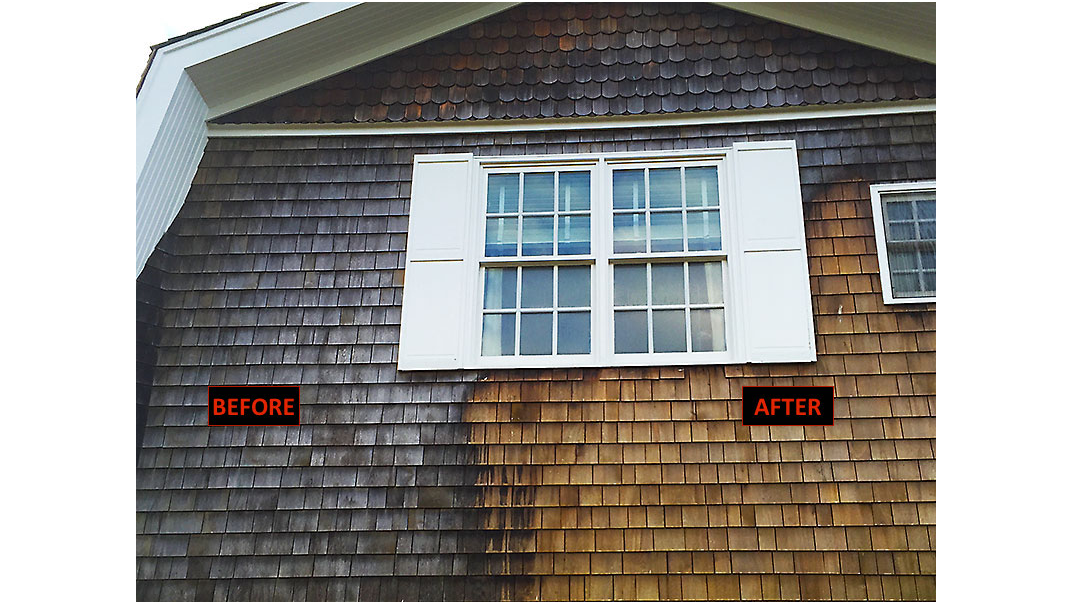
Soft washing is specifically designed for materials that can't withstand high pressure. Vinyl siding, cedar shake, wood panels, stucco, and painted surfaces all benefit from the gentle treatment. The cleaning solutions are formulated to be effective on these materials without causing damage or voiding manufacturer warranties.
When Each Method Works Best
Understanding when to use each cleaning method protects your investment and ensures optimal results. The key lies in matching the cleaning technique to the surface material and type of contamination.
Soft Wash: Vinyl, Wood, Stucco, and Brick
Soft washing excels on any surface where high pressure could cause damage. Vinyl siding, with its interlocking joints and weep holes, responds perfectly to soft washing techniques. The method effectively removes years of organic growth without risking panel damage or water intrusion.
Wood siding, whether cedar shake or painted panels, benefits from soft washing's gentle approach. The cleaning solutions remove mold and mildew that can cause wood rot, while the low pressure preserves the wood's surface integrity and any protective stains or paints.
Stucco surfaces, known for their textured finish and potential for cracking, stay intact with soft washing. The method cleans deep into the textured surface without the risk of creating chips or cracks that high pressure can cause.
Pressure Wash: Best for Concrete and Durable Surfaces
Pressure washing finds its proper place on hard, non-porous surfaces that can handle the intense water pressure. Concrete driveways, sidewalks, and garage floors respond well to high-pressure cleaning, especially for removing oil stains, gum, and embedded dirt.
Stone patios, brick walkways (with sound mortar), and treated wooden decks can typically withstand pressure washing when performed correctly. However, even these surfaces require careful technique and appropriate pressure settings to avoid damage.
Why Soft Washing Results Last Longer
The superior longevity of soft washing results comes from its approach to contamination. While pressure washing provides immediate visual results by blasting away surface dirt and growth, it often leaves behind the microscopic spores and root systems that cause rapid regrowth.
Soft washing's chemical solutions penetrate deep into surfaces, killing organic growth at the cellular level. This thorough elimination means mold, mildew, and algae can't simply regenerate from existing spores. Most soft washing results last 4-6 times longer than pressure washing, often providing 2-4 years of clean surfaces compared to pressure washing's 3-6 months.
The biodegradable chemicals continue working after application, providing residual protection against new organic growth. This extended effectiveness means fewer cleanings over time, ultimately saving money despite the higher initial cost.
Protect Your Home's Exterior Investment
Your home's exterior represents a significant financial investment that requires proper care to maintain its value and appearance. Choosing the wrong cleaning method can result in thousands of dollars in repairs, from replacing damaged siding to addressing water damage inside walls.
Professional soft washing protects this investment by using the safest, most effective cleaning method for your home's specific materials. The process removes harmful organic growth that can cause long-term damage while preserving the integrity of your siding, windows, and roof.
Regular soft washing maintenance, typically every 2-3 years, keeps your home looking its best while preventing the buildup of damaging contaminants. This proactive approach costs far less than dealing with damage from improper cleaning or allowing organic growth to cause permanent staining and material deterioration.
The peace of mind that comes with proper exterior maintenance extends beyond just appearance—it protects your family's health by eliminating mold and mildew that can affect indoor air quality and provides confidence that your home's weather barriers remain intact.
Affordable & Professional Window & Gutter Cleaning PowerWashing Services
City: Freehold
Address: 18 Willow Brook Rd
Website: https://www.affordable-and-professional.com/


Comments
Post a Comment